Your skin’s appearance is a highly sensitive indicator of your body's internal nutritional status. While high-end topical skincare and clinical procedures treat the skin from the outside, they only affect the upper layers. Without an adequate supply of essential vitamins and minerals internally, skin cells lack the biological resources to divide, synthesize new collagen, and defend against oxidative stress. Nutritional support is therefore the cornerstone of any modern therapeutic skincare regimen.
In this guide, we will analyze the key vitamins required to maintain firm, radiant, and healthy skin, explore their biochemical interactions, and discuss how to obtain them from food and supplements.
The Essential Skin Vitamins & Their Physiological Roles
Each vitamin performs a specific, vital function in cellular renewal, protein synthesis, and antioxidant defense.
Vitamin A (Retinol / Beta-Carotene)
Vitamin A is the primary regulator of cell differentiation in the epidermis. It accelerates the cellular turnover cycle, stimulates fibroblasts to produce collagen and hyaluronic acid, and regulates sebum production.
- Clinical Benefits: Corrects acne, refines skin texture, and reduces the depth of fine lines.
- Optimal Sources: Beef liver, egg yolks, organic dairy products (retinol); sweet potatoes, carrots, spinach, and pumpkin (beta-carotene).
[!WARNING]
Vitamin A is fat-soluble and accumulates in body tissues. High-dose supplementation must be monitored closely, as excessive levels can be toxic. High oral doses of Vitamin A (and synthetic retinoids) are strictly contraindicated during pregnancy and preconception.
Vitamin C (L-Ascorbic Acid)
A potent water-soluble antioxidant that protects cellular DNA from UV-induced free radicals. Vitamin C is a mandatory cofactor in the hydroxylation of proline and lysine—a crucial step in procollagen synthesis.
- Clinical Benefits: Fades hyperpigmentation, strengthens capillary walls (reducing redness/couperose), and brightens skin tone.
- Optimal Sources: Rosehips, acerola cherries, bell peppers, kiwi, citrus fruits, and dark leafy greens.
Vitamin E (Tocopherol)
A fat-soluble antioxidant that integrates into cellular membranes and the skin's lipid barrier, protecting polyunsaturated fatty acids from lipid peroxidation.
- Clinical Benefits: Prevents moisture loss, accelerates healing, and softens dry, sensitized skin.
- Optimal Sources: Raw almonds, hazelnuts, sunflower seeds, avocados, and cold-pressed plant oils.
[!TIP]
Vitamin C and Vitamin E work in synergy. Vitamin C regenerates oxidized Vitamin E molecules, restoring their antioxidant capacity. For optimal results, consume them together (e.g., raw vegetables drizzled with extra-virgin olive oil).
Vitamin D3 (Cholecalciferol)
Vitamin D3 behaves as a secosteroid hormone in the body. Synthesized in the skin via UVB exposure, it regulates epidermal growth, controls skin immunity, and reduces inflammatory pathways.
- Clinical Benefits: Calms chronic inflammatory conditions such as psoriasis, eczema, and severe acne.
- Optimal Sources: Wild-caught fatty fish (salmon, mackerel, sardines), cod liver oil, and pasture-raised egg yolks.
Reference Guide: Essential Skin Vitamins & Minerals
Use this quick-reference table to identify the best sources and targets for key skin nutrients:
| Nutrient | Biological Role | Skin Target | Best Food Sources |
|---|---|---|---|
| Vitamin A | Epidermal turnover, sebum regulation | Fine lines, acne, rough texture | Liver, sweet potatoes, carrots, egg yolks |
| Vitamin C | Collagen synthesis, UV defense | Sagging skin, dark spots, dullness | Bell peppers, kiwi, citrus, berries |
| Vitamin E | Membrane protection, barrier support | Extreme dryness, flakiness, irritation | Sunflower seeds, almonds, olive oil |
| Vitamin D3 | Immune modulation, wound healing | Inflammation, acne, barrier repair | Cod liver oil, wild salmon, egg yolks |
| Niacin (B3) | Ceramide synthesis, vascular health | Dehydration, redness, enlarged pores | Turkey, wild tuna, peanuts, lentils |
| Zinc | Anti-inflammatory, cellular repair | Acne lesions, wound healing, itching | Oysters, pumpkin seeds, beef, chickpeas |
Supportive Elements: B-Vitamins and Collagen Peptides
- B-Complex Vitamins (B3, B5, B7):
- Niacinamide (B3) strengthens the skin barrier by stimulating the synthesis of ceramides.
- Pantothenic Acid (B5) accelerates fibroblast proliferation, speeding up wound healing. Read more about restoring the skin barrier in our guide on skincare basics.
- Biotin (B7) contains sulfur, which is essential for synthesizing healthy keratin (the primary protein in hair and nails).
- Hydrolyzed Collagen Peptides:
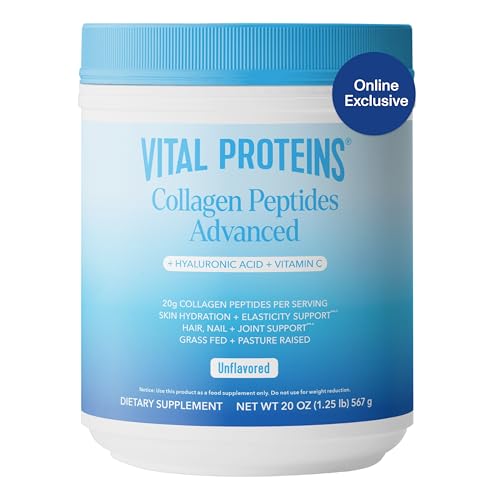
Ingested collagen is broken down in the GI tract into amino acids and bioactive peptides. These peptides act as signaling molecules, prompting skin fibroblasts to produce new collagen and hyaluronic acid. For best results, take collagen peptides on an empty stomach in the morning, accompanied by Vitamin C. Discover how diet impacts skin structure in healthy nutrition.
How to Optimize Your Supplementation
- Get Tested First: Before buying supplements, run blood tests to establish your baseline levels of Vitamin D3, Vitamin A, Vitamin E, and ferritin. Never self-prescribe megadoses.
- Understand Absorption: Fat-soluble vitamins (A, D, E, K) must be taken with meals containing healthy fats. Water-soluble vitamins (C, B-complex) can be taken with or without food.
- Watch for Competition: High calcium intake can inhibit the absorption of iron and zinc; high zinc intake can deplete copper.
- Integrate Globally: Nutriceuticals perform best in tandem with a healthy cellular lifestyle. Read about the cellular biology of skin longevity in Skin Longevity and Cellular Biohacking.
Conclusion
Youthful, resilient skin depends on a solid nutritional foundation. Prioritize diverse, whole foods like colorful vegetables, raw nuts, healthy fats, and clean proteins. Use targeted supplements to correct verified deficiencies under medical guidance. Be patient—skin cell regeneration takes between 28 to 90 days, meaning the visible benefits of nutritional therapy will become apparent in 2 to 3 months.