Important: This article is for informational purposes only and does not replace consultation with a professional dermatologist or cosmetologist. Always consult a specialist before implementing new procedures or therapeutic protocols.
In recent years, a fundamental shift has occurred in aesthetic medicine. Aggressive attempts to "erase wrinkles" and quickly mask signs of aging are being replaced by the concept of Skin Longevity. Instead of fighting the external manifestations of aging, leading researchers and cosmetologists suggest focusing on maintaining the biological resource of cells and extending their healthy lifespan (healthspan).
Skin is viewed not simply as an aesthetic canvas, but as a complete, complex organ whose health directly depends on internal cellular processes.
1. What is Cellular Senescence and "Zombie Cells"
At the core of the Skin Longevity concept lies a deep understanding of aging processes at the cellular level. One of the key factors in skin decline is the accumulation of so-called senescent cells, often referred to in scientific circles as "zombie cells."
Under the influence of UV radiation, free radicals, toxins, and other stress factors, skin cells lose their ability to divide, but they do not die. Instead of undergoing natural cell death (apoptosis), they remain in the tissue in a "suspended" state.
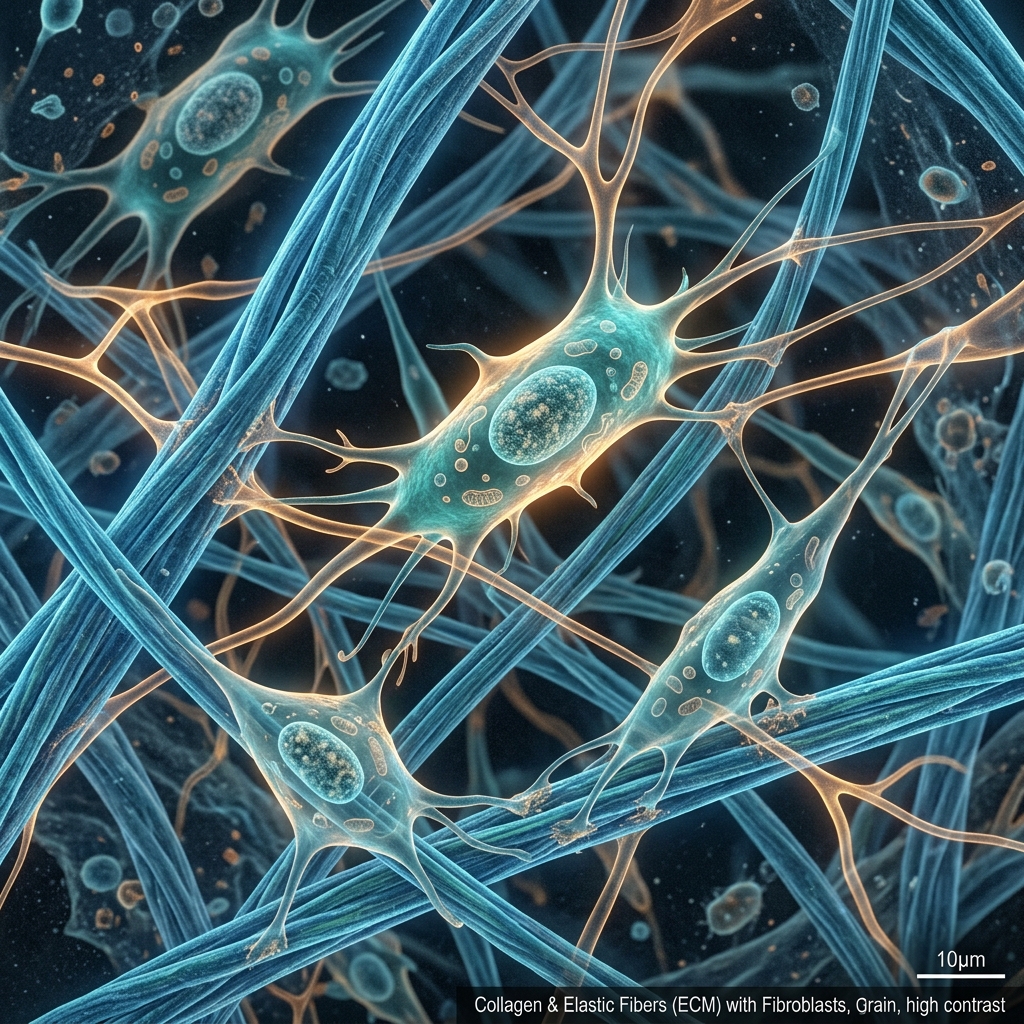
The main issue is that these cells are extremely active. They secrete a cocktail of pro-inflammatory signaling molecules, enzymes, and growth factors known as SASP (Senescence-Associated Secretory Phenotype). SASP destroys surrounding collagen and elastin, disrupts the functions of healthy cells, and forces them to age as well.
As detailed in the study in PMC10703490, the accumulation of senescent cells in the dermis and epidermis plays a critical role in the development of age-related skin pathologies, leading to reduced density, impaired wound healing, and loss of natural radiance.
2. Senotherapy: A New Hope in Aesthetic Medicine
Since senescent cells cause so much harm, eliminating them seems to be a logical solution. In modern gerontology and biohacking, the concept of senotherapy is actively studied. This field includes two types of agents:
- Senolytics: Agents that selectively identify and trigger the death of senescent cells only, clearing the tissue of "zombies."
- Senomorphics: Compounds that suppress the activity of SASP, preventing senescent cells from damaging the surrounding tissue.
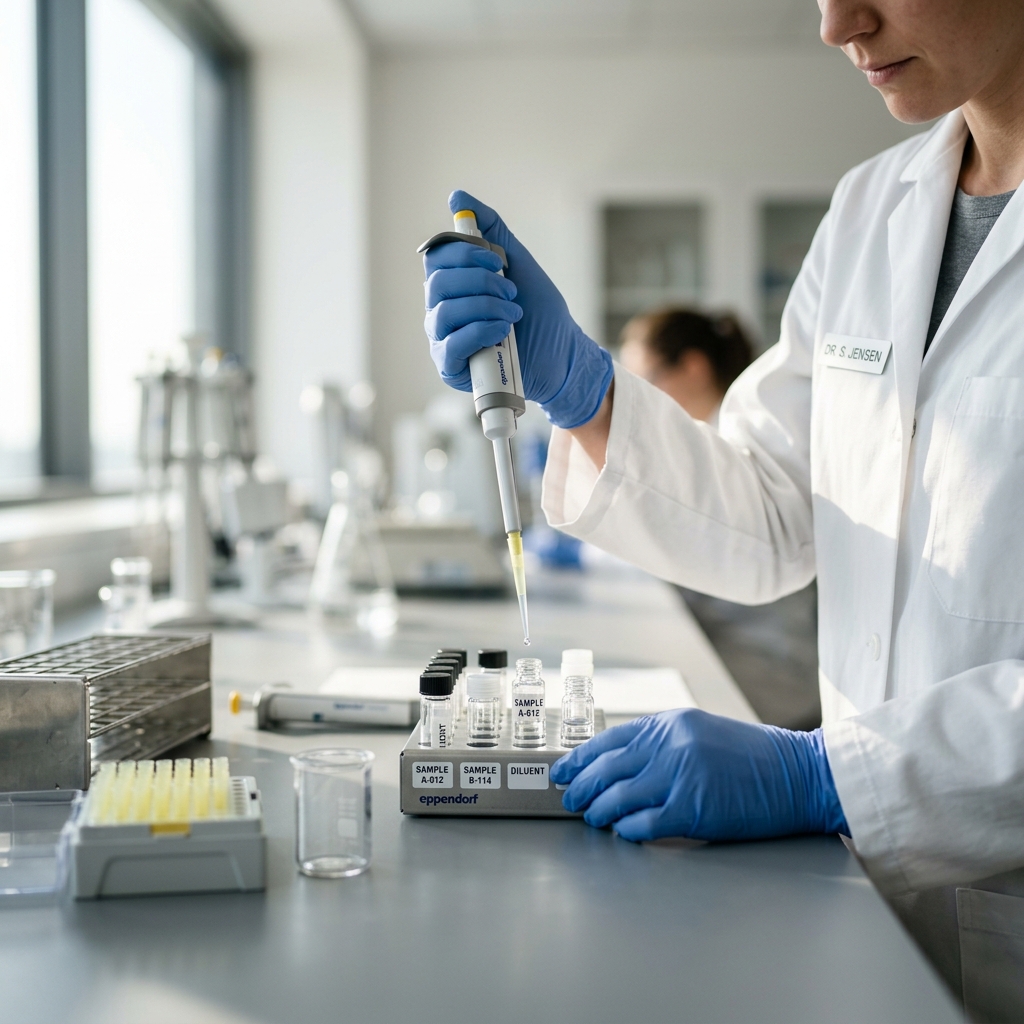
Active trials of senotherapeutic approaches are being conducted in aesthetic medicine. A review in PMC10873061 discusses how targeting senescent skin fibroblasts and melanocytes makes it possible not just to mask wrinkles, but to rejuvenate the cellular composition of the skin at a structural level. This paves the way for therapeutic protocols that can slow down skin aging "from within" in the future.
3. How to Support Skin Longevity Today
While clinical senolytics are undergoing deep testing, the skin longevity concept offers practical, science-based steps available to everyone.
Skinimalism and Barrier Protection
Constant skin irritation caused by aggressive peels, excess acids, and retinol leads to chronic inflammation (inflammaging), which accelerates cellular senescence. Transitioning to skinimalism—using a concise but targeted routine—helps restore the skin's protective barrier.
- Mandatory use of broad-spectrum SPF to reduce photoinduced DNA damage.
- Using gentle cleansers and physiological lipids (ceramides, squalane, cholesterol).
Natural Polyphenols as Gentle Senomorphics
Some natural ingredients have a proven ability to suppress the inflammatory secretions of senescent cells. For example, resveratrol, quercetin, epigallocatechin gallate (from green tea), and fisetin act as plant antioxidants with a mild senolytic effect.

According to a study in PMC8657738, polyphenols help protect keratinocytes and fibroblasts from oxidative stress and block signaling pathways that trigger cellular senescence.
Cellular Inducers and Regeneration Stimulators
To stimulate the viability of young skin cells, ingredients that support their metabolic activity are used:
- Stimulating peptides: Trigger collagen synthesis and strengthen the structure of the dermal-epidermal junction.
- Niacinamide (Vitamin B3): Boosts cellular energy (NAD+), brightens pigmentation, and protects the barrier.
- Mild retinoids: Stimulate the division of healthy cells in the basal layer, accelerating epidermal renewal.
Conclusion
Skin Longevity is about rejecting the illusion of instant rejuvenation in favor of systemic care for skin health. By investing in cell protection against stress, supporting the hydrolipidic mantle, and using proven bioactive ingredients, we preserve our skin's biological resources. True beauty is healthy, functioning skin that ages gracefully and harmoniously.