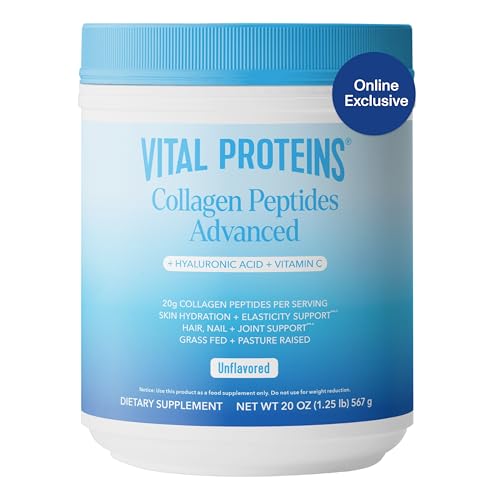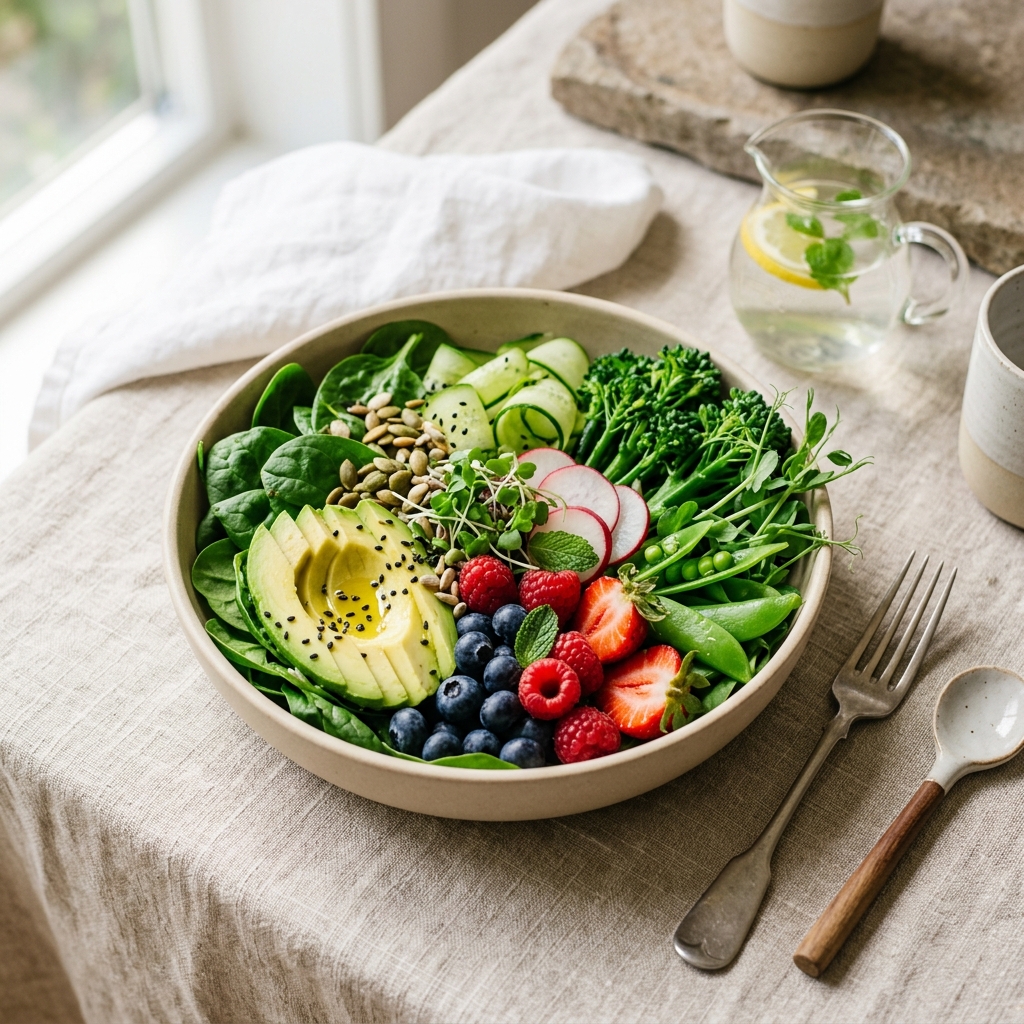
What we ingest has a direct and profound impact on the health and appearance of our skin. As the body’s largest organ, the skin is actually the last to receive nutrients from the digestive tract—the body prioritizes vital internal organs first. Consequently, nutritional deficiencies in vitamins, healthy fatty acids, and antioxidants manifest rapidly on the face as a dull complexion, flakiness, premature wrinkles, and an increased susceptibility to inflammation.
In this article, we will explore how specific nutrients regulate biochemical pathways in the epidermis and dermis, examine the phenomenon of glycation (sugar-induced aging), and outline a dietary framework to support glowing, youthful skin from within.
Hydration: Myths and Physiological Reality
Water is essential for cellular metabolism, nutrient transport, and waste elimination. Dehydration causes a decline in skin turgor, making the skin appear lax and exacerbating the appearance of fine dehydration lines.
However, simply drinking liters of water is not a magic solution. The water must be retained within the dermal matrix. This process relies on:
- Electrolytes (potassium, sodium, magnesium): Which maintain intracellular fluid balance.
- Glycosaminoglycans (GAGs like Hyaluronic Acid): Which bind water molecules in the dermis.
- The Epidermal Barrier: Which prevents excessive transepidermal water loss (TEWL). To learn how to protect this barrier externally, check out our guide on skincare basics.
[!TIP]
Rather than drinking vast quantities of plain distilled water, prioritize mineral-rich water and foods with high "structured" cellular water content, such as organic cucumbers, celery, and fresh berries.
Antioxidants: The Shield Against Photoaging
Free radicals are highly reactive, unstable oxygen molecules generated by ultraviolet radiation, air pollution, and metabolic stress. They damage cellular membranes and degrade collagen fibers. Antioxidants neutralize these free radicals by donating an electron, effectively halting the chain reaction of cellular damage.
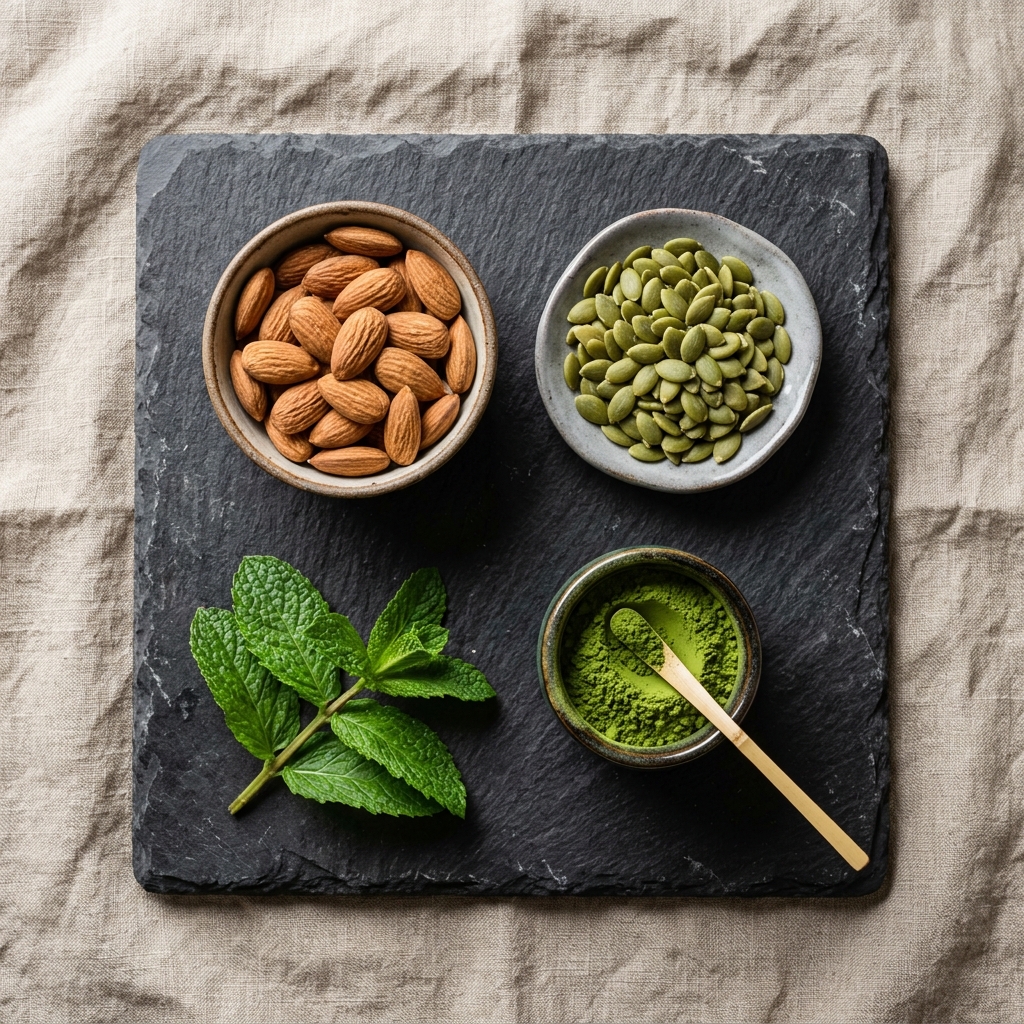
To maximize your skin's antioxidant defenses, integrate these nutrient-dense foods into your meals:
- Green Tea (specifically Matcha): Rich in epigallocatechin gallate (EGCG), a potent polyphenol that reduces inflammation and inhibits collagen degradation.
- Deep-Colored Berries (blueberries, blackberries, raspberries): Packed with anthocyanins, which strengthen capillary walls and improve microcirculation.
- Nuts and Seeds: Excellent sources of Coenzyme Q10 and Vitamin E, which support the lipid layer of the skin.
Essential Fats: Omega-3s and Membrane Fluidity
Omega-3 polyunsaturated fatty acids (PUFAs) are vital structural components of cell membranes and the skin's lipid barrier. They possess potent anti-inflammatory properties, reducing the production of inflammatory mediators, which is highly beneficial for managing acne, rosacea, and eczema.
- Animal-Derived Sources (EPA/DHA): Wild-caught salmon, mackerel, sardines, and herring. Aim to eat fatty fish at least twice a week.
- Plant-Derived Sources (ALA): Flaxseeds, chia seeds, walnuts, and avocados. Avocados are also rich in monounsaturated fats, which nourish and soften the skin.
Micronutrients Essential for Collagen Synthesis
Collagen provides the structural framework of the dermis. To synthesize new collagen fibers, the body requires amino acids as building blocks alongside specific micronutrients that act as essential cofactors.
| Nutrient | Biological Role | Optimal Food Sources |
|---|---|---|
| Vitamin C | Key cofactor for collagen synthesis, brightens skin tone | Rosehips, bell peppers, kiwi, citrus fruits, dark leafy greens |
| Silica | Strengthens connective tissues, improves skin elasticity | Whole oats, horsetail tea, brown rice, cucumbers |
| Copper | Aids in the cross-linking of collagen and elastin fibers | Beef liver, sesame seeds, raw cacao powder, cashews |
| Zinc | Regulates sebum production, accelerates acne healing | Pumpkin seeds, oysters, grass-fed beef, legumes |
[!WARNING]
Vitamin C is highly heat-sensitive and easily destroyed during cooking. Consume your greens and vitamin C-rich vegetables raw or lightly steamed. For a deeper look at skin vitamins, read our comprehensive guide on vitamins for skin.
📊 Interactive Calorie Calculation for Beauty
Calculate your exact Basal Metabolic Rate (BMR), Daily Energy Expenditure (TDEE), and target deficit for healthy weight loss and radiant skin!
Glycation: How Sugar Degradation Destroys Collagen
Glycation occurs when excess glucose molecules in the bloodstream bind to proteins, including collagen and elastin. This chemical reaction generates Advanced Glycation End-products (AGEs).
Under the influence of glycation, collagen fibers lose their flexibility, becoming stiff, brittle, and discolored. Visually, this leads to skin sagging, deep wrinkles, and a yellowish, dull skin tone—often referred to as "sugar face."
To minimize glycation and protect your skin at a cellular level (the core principle of Skin Longevity and Cellular Biohacking):
- Limit consumption of simple sugars, high-fructose corn syrup, and refined carbohydrates.
- Avoid foods cooked with high-heat dry methods that produce a heavy brown crust (e.g., deep-frying, char-broiling), as these contain pre-formed dietary AGEs.
- Opt for gentle cooking methods like steaming, poaching, or stewing.
Conclusion
Healthy, glowing skin is a reflection of a well-functioning digestive system and a nutrient-dense diet. Topical skincare cannot compensate for a diet lacking in quality proteins, essential fatty acids, and vitamins. Focus on consuming diverse, whole foods, colorful vegetables, healthy fats, and pure water. Your skin will reward you with resilience, clarity, and a natural radiance.