Can You Use Retinol and Tranexamic Acid Together? Compatibility & Layering
Compatible & Safe to Layer — «Retinol & Retinoids (Retinal, Tretinoin)» and «Tranexamic Acid (TXA)» have no known negative chemical interactions and can be safely layered together.
Retinol & Retinoids (Retinal, Tretinoin)
The gold standard in anti-aging and acne control. Accelerates cellular turnover and boosts collagen synthesis.
Tranexamic Acid (TXA)
Non-exfoliating peptide-like active that disrupts melanin synthesis and soothes post-inflammatory redness.
💡Dermatologist Protocol (How to Combine):
Layer by texture consistency: apply thin, water-based serums first, followed by heavier creams and oils.
⏱️Which Goes First? (Layering Sequence):
Retinol and Tranexamic Acid pair seamlessly in the same routine. Following the dermatological thinnest-to-thickest rule: apply "Tranexamic Acid" as Step 1, allow 1–2 minutes to absorb, and follow with "Retinol" as Step 2.
⚗️pH Acidity Spectrum: Retinol vs. Tranexamic Acid
Healthy skin barrier maintains a natural acid mantle between pH 4.7 and 5.5. Large pH discrepancies between layered products can destabilize actives or trigger stinging.
Test Other Combinations or Build Your Full AM/PM Routine
Compatible & Safe to Layer
🔬 Chemical Mechanism & Skin Impact:
«Retinol & Retinoids (Retinal, Tretinoin)» and «Tranexamic Acid (TXA)» have no known negative chemical interactions and can be safely layered together.
💡 Dermatologist Layering Advice:
Layer by texture consistency: apply thin, water-based serums first, followed by heavier creams and oils.
Frequently Asked Questions: Retinol & Tranexamic Acid
Can you use Retinol and Tranexamic Acid together in the same routine?
Compatible & Safe to Layer. «Retinol & Retinoids (Retinal, Tretinoin)» and «Tranexamic Acid (TXA)» have no known negative chemical interactions and can be safely layered together. Layer by texture consistency: apply thin, water-based serums first, followed by heavier creams and oils.
Which goes first: Retinol or Tranexamic Acid?
Retinol and Tranexamic Acid pair seamlessly in the same routine. Following the dermatological thinnest-to-thickest rule: apply "Tranexamic Acid" as Step 1, allow 1–2 minutes to absorb, and follow with "Retinol" as Step 2.
What is the optimal pH level of Retinol vs. Tranexamic Acid?
Retinol operates optimally at a pH of 5.5 - 6.5, whereas Tranexamic Acid functions at a pH of 5.0 - 7.0. When combining formulas with different pH windows, always apply the lower-pH watery serum first or split them between your morning and evening routines.
Is layering Retinol with Tranexamic Acid safe for sensitive skin?
Yes, pairing Retinol with Tranexamic Acid is well-tolerated by sensitive skin types and supports healthy barrier function when sealed with moisturizer.
Compatibility with Other Skincare Actives
Other Pairings for Retinol:
Other Pairings for Tranexamic Acid:
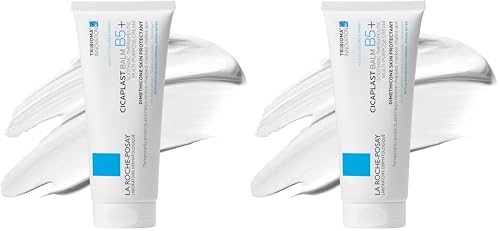
La Roche-Posay Cicaplast Baume B5+ Soothing Repairing Balm (5% Panthenol)
Madecassoside + Tribioma • Ideal for Retinol Sandwiching & Post-Acid Recovery
When layering potent actives like retinoids, exfoliating AHA/BHA acids, or pure Vitamin C, the primary risk is lipid barrier disruption. Cicaplast Baume B5+ with 5% Panthenol and Madecassoside rapidly calms erythema, restores the microbiome, and acts as the ultimate protective buffer.