Can You Use Retinol and AHA Acids (Glycolic & Lactic) Together? Compatibility & Layering
Caution: High Risk of Barrier Depletion & Chemical Irritation — Both retinoids and AHA acids aggressively accelerate skin exfoliation and turnover. Layering them concurrently depletes stratum corneum lipids, leading to burns and irritation.
Retinol & Retinoids (Retinal, Tretinoin)
The gold standard in anti-aging and acne control. Accelerates cellular turnover and boosts collagen synthesis.
AHA Acids (Glycolic, Lactic, Mandelic)
Water-soluble exfoliating acids targeting surface dead skin cells. Refines texture and reveals radiant skin.
💡Dermatologist Protocol (How to Combine):
Use Skin Cycling: Night 1 AHA exfoliation, Night 2 Retinoid, Nights 3 & 4 Barrier recovery with ceramides.
⏱️Which Goes First? (Layering Sequence):
The safest dermatological protocol is splitting Retinol and AHA Acids (Glycolic & Lactic) between AM and PM or alternating nights. If your skin is resilient and you layer them together, apply the lighter/lower-pH step first (AHA Acids (Glycolic & Lactic)), wait 15–20 minutes for pH stabilization, then apply the second active.
⚗️pH Acidity Spectrum: Retinol vs. AHA Acids (Glycolic & Lactic)
Healthy skin barrier maintains a natural acid mantle between pH 4.7 and 5.5. Large pH discrepancies between layered products can destabilize actives or trigger stinging.
Test Other Combinations or Build Your Full AM/PM Routine
Caution: High Risk of Barrier Depletion & Chemical Irritation
🔬 Chemical Mechanism & Skin Impact:
Both retinoids and AHA acids aggressively accelerate skin exfoliation and turnover. Layering them concurrently depletes stratum corneum lipids, leading to burns and irritation.
💡 Dermatologist Layering Advice:
Use Skin Cycling: Night 1 AHA exfoliation, Night 2 Retinoid, Nights 3 & 4 Barrier recovery with ceramides.
Frequently Asked Questions: Retinol & AHA Acids (Glycolic & Lactic)
Can you use Retinol and AHA Acids (Glycolic & Lactic) together in the same routine?
Caution: High Risk of Barrier Depletion & Chemical Irritation. Both retinoids and AHA acids aggressively accelerate skin exfoliation and turnover. Layering them concurrently depletes stratum corneum lipids, leading to burns and irritation. Use Skin Cycling: Night 1 AHA exfoliation, Night 2 Retinoid, Nights 3 & 4 Barrier recovery with ceramides.
Which goes first: Retinol or AHA Acids (Glycolic & Lactic)?
The safest dermatological protocol is splitting Retinol and AHA Acids (Glycolic & Lactic) between AM and PM or alternating nights. If your skin is resilient and you layer them together, apply the lighter/lower-pH step first (AHA Acids (Glycolic & Lactic)), wait 15–20 minutes for pH stabilization, then apply the second active.
What is the optimal pH level of Retinol vs. AHA Acids (Glycolic & Lactic)?
Retinol operates optimally at a pH of 5.5 - 6.5, whereas AHA Acids (Glycolic & Lactic) functions at a pH of 3.0 - 4.0. When combining formulas with different pH windows, always apply the lower-pH watery serum first or split them between your morning and evening routines.
Is layering Retinol with AHA Acids (Glycolic & Lactic) safe for sensitive skin?
For sensitive or rosacea-prone skin, layering Retinol and AHA Acids (Glycolic & Lactic) in the same session can trigger barrier irritation. Alternate them on separate nights and buffer with a 5% panthenol or ceramide balm.
Compatibility with Other Skincare Actives
Other Pairings for Retinol:
Other Pairings for AHA Acids (Glycolic & Lactic):
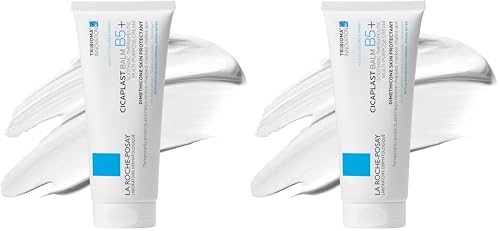
La Roche-Posay Cicaplast Baume B5+ Soothing Repairing Balm (5% Panthenol)
Madecassoside + Tribioma • Ideal for Retinol Sandwiching & Post-Acid Recovery
When layering potent actives like retinoids, exfoliating AHA/BHA acids, or pure Vitamin C, the primary risk is lipid barrier disruption. Cicaplast Baume B5+ with 5% Panthenol and Madecassoside rapidly calms erythema, restores the microbiome, and acts as the ultimate protective buffer.