🔎 What is Vitamin A and Why It's Important
Vitamin A is not a single substance, but a group of related fat-soluble compounds, including retinol, retinal, and retinoic acid. They participate in gene regulation, forming cellular responses to external signals and controlling processes of differentiation, division, and apoptosis—programmed cell death important for tissue renewal. Wikipedia
Active forms of vitamin A (retinoids) include both natural retinol and synthetic analogs used in dermatology and skincare. Wikipedia
🧠 Systemic Effects of Vitamin A: Youth Starts from Within
🔹 Support for Epithelial Tissues
Vitamin A is essential for maintaining the health of the epithelium—the structure that covers the skin and mucous membranes. Its deficiency leads to dry skin, flaking, impaired mucosal function, which worsens the body's barrier protection. Wikipedia
🔹 Immune System
Active forms of vitamin A regulate immune response, improving resistance to infections, including viral and bacterial ones. This reflects its role in maintaining anti-inflammatory mechanisms and barrier functions of tissues. Wikipedia
Toxicity Warning: While Vitamin A is vital, excessive systemic intake through oral supplements can lead to hypervitaminosis A—a serious condition that can damage the liver and bones. Never exceed the recommended dosage without medical supervision.
🔹 Vision
Retinal, a form of vitamin A, is part of rhodopsin—the light-sensitive pigment of the retina, necessary for dark adaptation of the eyes. Wikipedia
✨ Retinoids and Skin: Scientifically Proven Effects
In dermatology and skincare, retinoids are considered among the most effective ingredients against signs of skin aging due to their effects on the epidermis and dermis. Below are key scientific findings.
🧴 Improvement of Skin Structure and Anti-Aging Effects
Studies show that topical application of retinol promotes increased epidermal thickness, stimulation of cell division in skin layers, and improvement of dermal structure. This activates dermal fibroblasts, which are responsible for synthesizing components of the extracellular matrix—collagen, elastin, and other structural proteins. PubMed
Increased expression of TGF-β/CTGF pathways leads to improved quality of the dermal matrix and increased skin density, reflected in reduced wrinkles and increased firmness. PubMed
📉 Anti-Aging Properties of Retinoids
Retinoids regulate processes related to collagen and matrix metalloproteinases (MMP)—enzymes that are part of normal tissue remodeling, but which excessively degrade the structural proteins of the dermis during aging and UV exposure. They enhance collagen synthesis and prevent its degradation, directly leading to a reduction in fine lines and improvement of skin elasticity. PubMed
🌞 Protection Against Photoaging and Pigmentation
Retinoids help combat signs of photoaging:
- reduce the severity of fine wrinkles,
- improve skin texture,
- reduce the severity of hyperpigmentation. PMC
Additionally, retinyl esters can protect cellular DNA from ultraviolet damage, adding an extra level of protection against photoaging. PMC
📊 Clinical Data: Retinoids Work
According to meta-analyses and clinical studies, retinoids, including tretinoin and retinol, are used in treating signs of skin aging and have proven efficacy. They improve the condition of photoaging and chronological aging, increase collagen expression, and improve skin appearance across both objective and subjective measures. PMC: Topical tretinoin for treating photoaging
Studies also show that combining topical retinoid with oral vitamins, including vitamins A and E, enhances the anti-aging effect compared to retinoid monotherapy. Springer Nature
🧴 How Retinoids Act at the Cellular Level
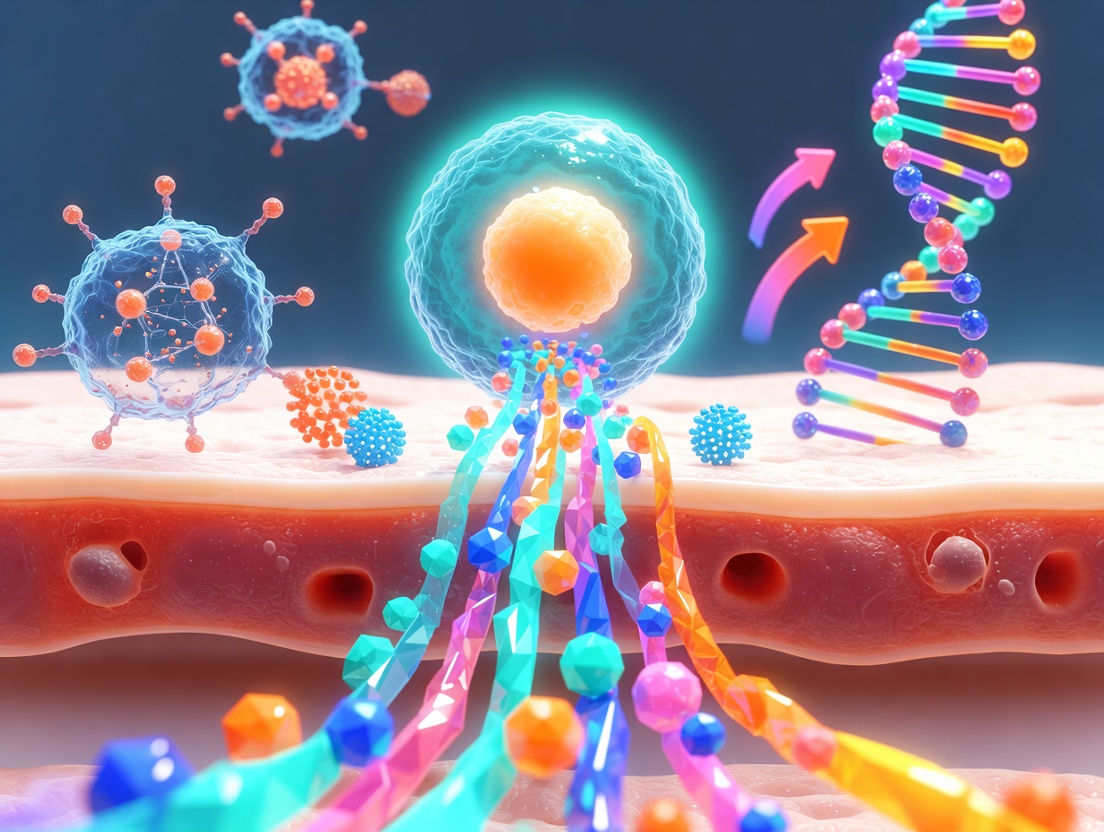
The molecular mechanism of retinoids is based on their ability to bind to nuclear receptors Retinoic Acid Receptors (RAR) and Retinoid X Receptors (RXR). These complexes affect gene transcription, regulating the synthesis of proteins responsible for cell growth, differentiation, and apoptosis. derma-series.ua
It is through this direct influence on gene expression that retinoids exert a systemic effect on the condition of the epidermis and dermis of the skin.
⚠️ Safety and Usage
It's important to understand: retinoids are powerful biologically active compounds.
Vitamin A — The Key Vitamin of Youth
Tretinoin — a more active form, may cause irritation, requires skin adaptation. PubMed: The role of topical retinoids in photoaging
Retinol — a milder form, well-suited for regular care, but requires time to convert to active form in the skin. PubMed
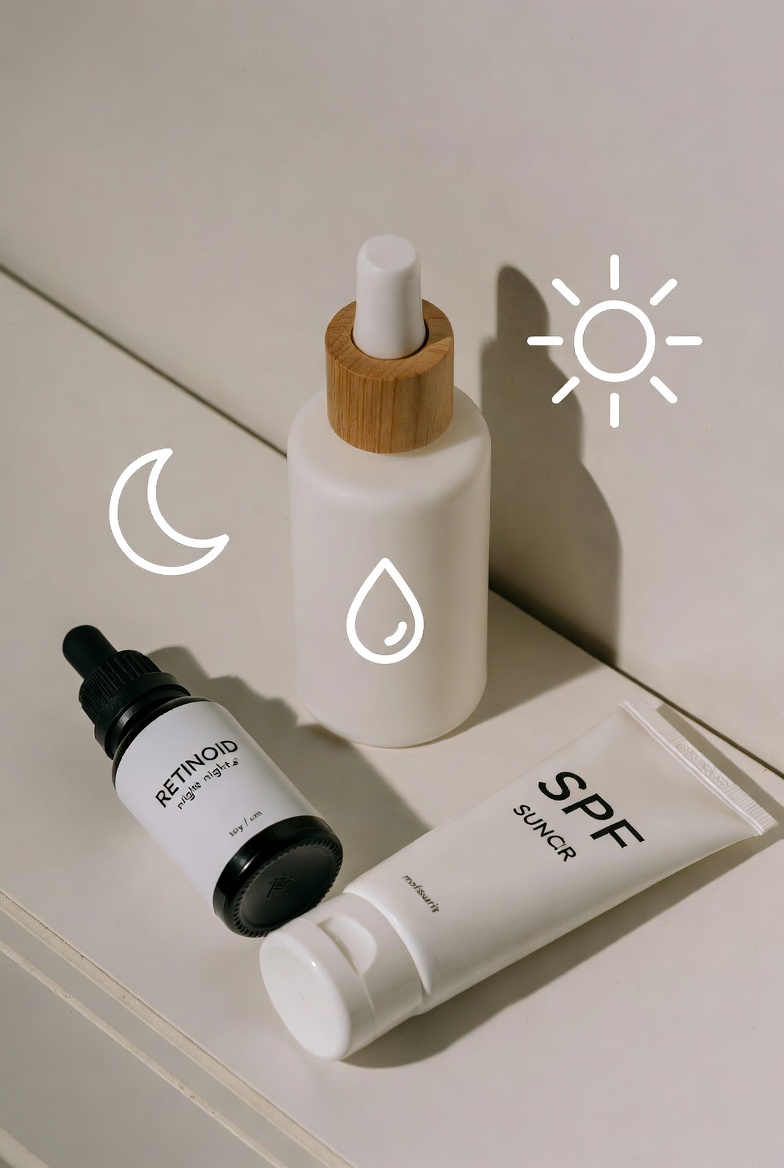
Professional dermatologists recommend gradually increasing application frequency, combining with moisturization and mandatory sun protection (SPF) in the morning. Don't skip this step—retinoids increase skin photosensitivity.
🧠 Conclusion: Vitamin A — Not Marketing, But Science
Vitamin A and its derivatives (retinoids) are not just a trendy active ingredient, but compounds with a substantial body of evidence for efficacy in combating signs of skin aging. They:
- improve the structure of the epidermis and dermis,
- stimulate collagen synthesis,
- reduce signs of photoaging and pigmentation,
- protect cellular DNA from UV damage. PubMed
This makes vitamin A one of the cornerstones of evidence-based anti-aging dermatology.