For decades, the standard nutritional guidance has repeated the same mantra: an adult needs just 0.8 grams of protein per kilogram of body weight (0.36 g/lb) per day.
In modern longevity science and gerontology, this guideline is considered obsolete. The 0.8 g/kg RDA was established in the mid-20th century as the bare minimum required to prevent clinical deficiency and muscle wasting in sedentary populations — not to optimize healthspan, preserve skin elasticity, or stimulate tissue repair.
After age 35, the body undergoes two major physiological shifts:
- Sarcopenia: The progressive loss of 1% to 2% of lean skeletal muscle mass per year.
- Anabolic Resistance: Muscle cells and dermal fibroblasts become less sensitive to circulating amino acids, requiring a higher concentration per meal to trigger repair.
To preserve skin firmness, stimulate collagen production, and prevent metabolic decline, active adults need significantly more high-quality protein.
1. Why 0.8 g/kg Accelerates Aging After 35
Skeletal muscle is our body's primary metabolic organ. It disposes of up to 80% of post-meal blood glucose, maintains insulin sensitivity, and secretes anti-inflammatory signaling proteins called myokines.
When your dietary amino acid intake is insufficient, the body breaks down its own contractile muscle tissue to supply essential amino acids to vital organs like the liver, heart, and immune system.
Clinical consensus statements from expert bodies (including the PROT-AGE Study Group and the European Society for Clinical Nutrition and Metabolism / ESPEN) recommend:
- Baseline for Healthy Adults (35–65 years): 1.2–1.6 g/kg (0.55–0.73 g/lb) per day.
- For Active Individuals & Fat Loss Protocols: 1.6–2.0 g/kg (0.73–0.91 g/lb).
- For Adults Over 65 (To Overcome Anabolic Resistance): 1.4–1.8 g/kg (0.64–0.82 g/lb).
Example: A 132 lb (60 kg) female does not need just 48g of protein (the old RDA), but rather 75–95g of high-quality protein daily.
2. The Leucine Threshold: Why Meal Distribution Matters
Hitting your total daily gram target is only half the battle. How you distribute that protein throughout the day determines whether tissue synthesis is triggered.
The primary cellular sensor that stimulates Muscle Protein Synthesis (MPS) and connective tissue remodeling is the mTORC1 pathway. The key amino acid switch that activates mTOR is L-Leucine.
To trigger this anabolic switch, a meal must cross the Leucine Threshold — approximately 2.5 to 3.0 grams of leucine per meal.
In real food terms, this translates to 25–35 grams of complete, high-quality protein in a single sitting:
- Eating just 10–12g of protein (e.g., a single egg and a latte) falls below the leucine threshold — failing to stimulate new tissue synthesis.
- Spacing your intake across 3–4 meals containing 30–40g of protein turns on cellular repair multiple times throughout the day.
3. Protein & Dermal Collagen: Structural Architecture

Collagen, elastin, and keratin are all protein polymers. Collagen fibers are built primarily from glycine, proline, hydroxyproline, and lysine.
When your overall dietary protein intake is low, the body prioritizes essential visceral organs over the skin and hair. Dermal fibroblasts are starved of amino acid substrates.
Without sufficient dietary protein:
- The extracellular matrix turnover in the dermis slows down;
- Skin loses elasticity and repairs slower after UV exposure;
- Supplemental collagen peptides are diverted to general metabolic maintenance rather than accumulating in dermal tissue.
Combining adequate daily protein with Vitamin C and Zinc creates the essential building blocks for continuous endogenous collagen synthesis.
4. Animal vs. Plant Protein: The DIAAS Digestibility Scale
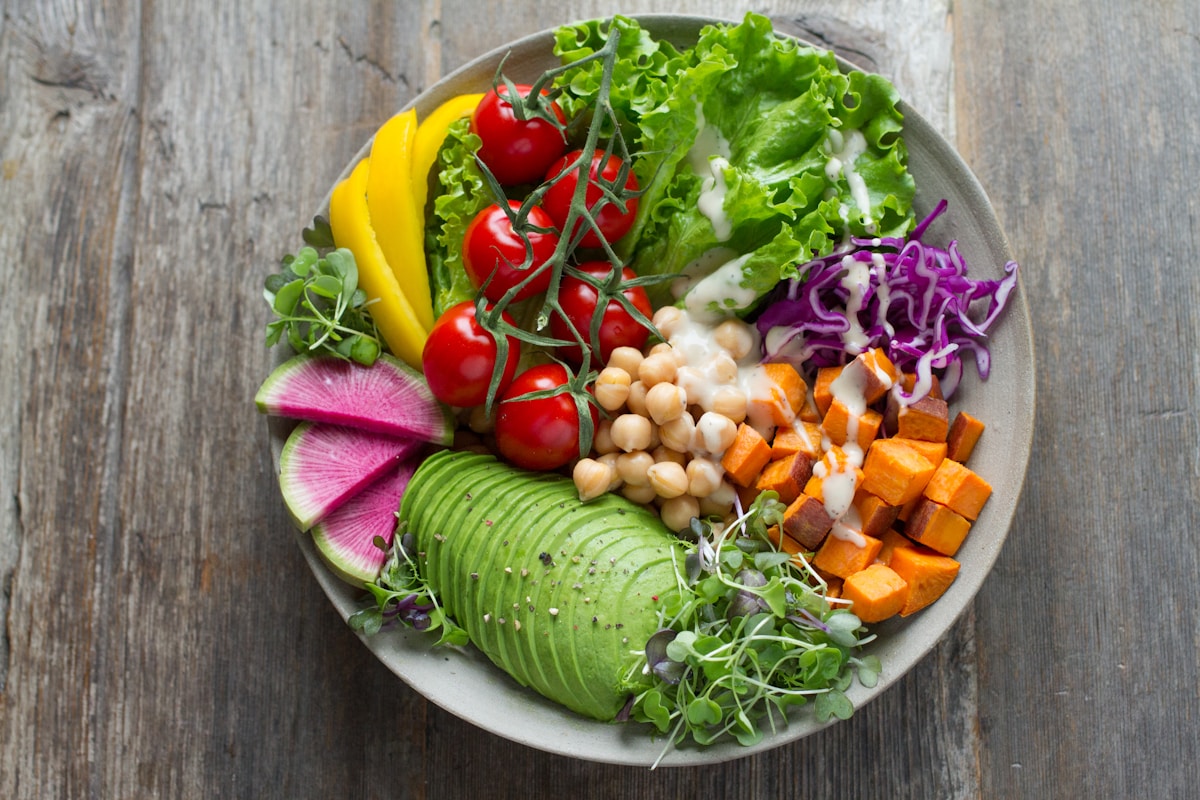
Protein quality is globally assessed by the Digestible Indispensable Amino Acid Score (DIAAS):
| Food Source | Protein per 100g (3.5 oz) | Leucine per Serving | DIAAS Score |
|---|---|---|---|
| 🥚 Pasture-Raised Eggs | ~13g (6.3g per large egg) | High (~1.1g / 2 eggs) | 1.15+ (Gold Standard) |
| 🐟 Wild Salmon / White Fish | 20–24g | Very High (~2.0g) | 1.10+ |
| 🍗 Chicken / Turkey Breast | 24–27g | Very High (~2.2g) | 1.15+ |
| 🧀 Greek Yogurt / Cottage Cheese | 14–18g | High (~1.6g) | 1.15+ |
| 🌱 Firm Organic Tofu | 12–16g | Moderate (~1.1g) | 0.85–0.90 |
| 🫘 Cooked Lentils / Chickpeas | 8–10g | Moderate (~0.7g) | 0.60–0.70 |
Plant proteins have fibrous cellular walls and lower leucine concentrations. If you eat a 100% plant-based diet, increase your total protein target by 10–15% and combine legumes with grains and seeds.
5. Daily Meal Distribution Framework
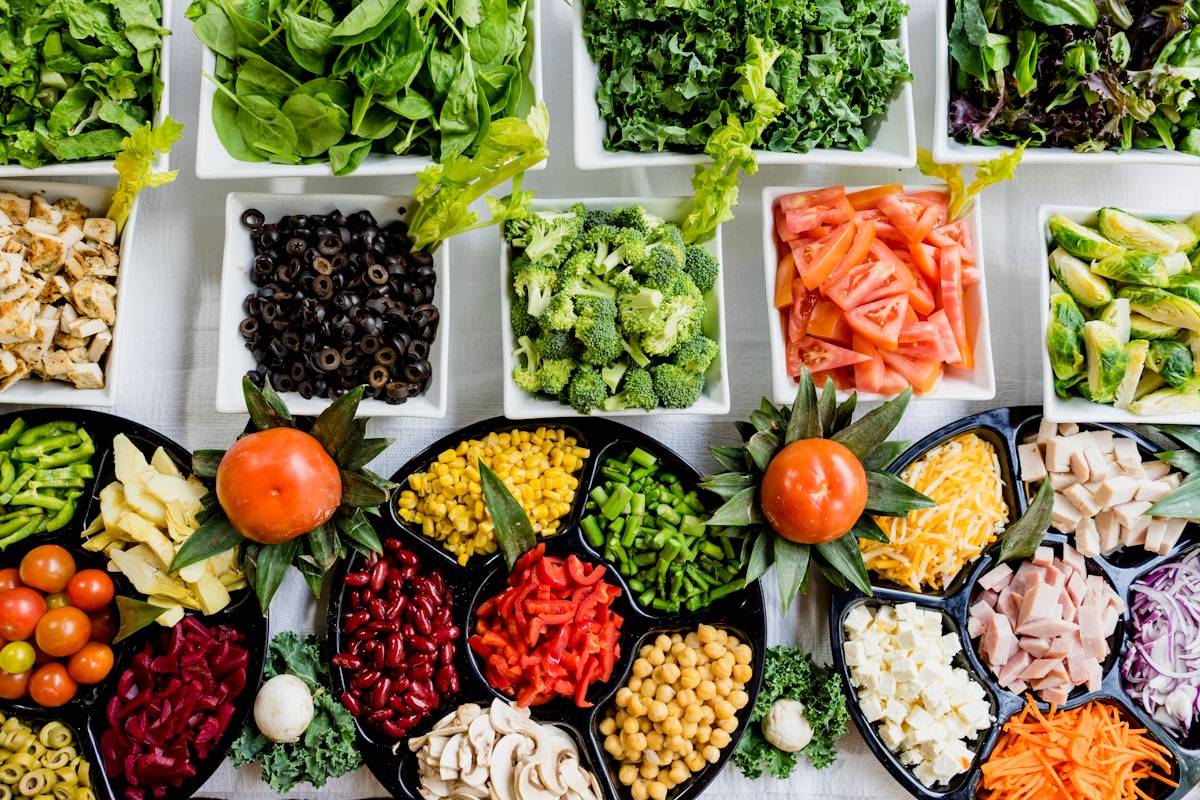
To optimize vitality and skin firmness, a 3–4 meal structure is optimal:
- Breakfast (30–35g protein): 3-egg omelet with baby spinach and smoked salmon (50g / 1.8 oz) + sourdough toast.
- Lunch (35–40g protein): Grilled turkey or cod fillet (150g / 5.3 oz) with quinoa and olive oil dressed greens.
- Snack (15–20g protein): Plain Greek yogurt (150g) topped with walnuts and blueberries.
- Dinner (30–35g protein): Pan-seared wild salmon or firm tofu (150g) with roasted broccoli and lentils.
6. Debunking the Kidney Myth
A common myth claims that higher protein diets damage renal function.
Decades of clinical meta-analyses (including comprehensive reviews in the Journal of the American Society of Nephrology) have definitively proven that in individuals with healthy kidneys, protein intakes up to 2.2–2.8 g/kg pose no risk to glomerular filtration rates (eGFR) or liver function.
The temporary increase in filtration after a protein meal is a healthy adaptive response, identical to the heart rate increase during exercise. Protein restriction is only clinically necessary for individuals with diagnosed chronic kidney disease.
Calculate Your Exact Protein Needs
To determine your customized daily targets and meal breakdown, use our interactive tool:
👉 Daily Protein Calculator for Longevity & Skin Health — calculate your total grams, per-meal leucine target, and whole-food equivalents instantly.
Key Takeaways
- The old 0.8 g/kg RDA is a survival minimum, not a longevity target. Aim for 1.3–1.6 g/kg (0.6–0.75 g/lb) to protect your skin and muscle mass after 35.
- Aim for 25–35g of protein per main meal to exceed the leucine threshold and trigger tissue repair.
- Prioritize diverse sources: wild fish, eggs, poultry, Greek yogurt, tofu, and lentils provide the full amino acid spectrum required for collagen architecture.