Important: This article is for informational purposes only and summarizes clinical microbiome research. Always consult a board-certified dermatologist before introducing active ingredients or supplements into your routine.
Our skin is not merely a physical wall shielding the body from external threats. It is a complex, living ecosystem populated by billions of beneficial micro-organisms. The balance of this skin microbiome directly regulates skin health: from its moisture-retention capability to its resistance against acne, rosacea, and accelerated aging.
In modern dermatology, postbiotics — non-viable bacterial components that deliver biological benefits without disrupting microflora stability — have taken center stage. The undisputed gold standard among these is Bifida Ferment Lysate. Let us explore how it works on a molecular level.
1. The Skin Microbiome & The Postbiotic Revolution
For decades, harsh "squeaky-clean" cleansing was considered healthy. However, aggressive stripping removes the skin's natural hydrolipid mantle and depletes friendly bacteria, paving the way for pathogens and chronic subclinical inflammation.
Modern skincare utilizes three bio-component classes to support our skin's flora:
- Prebiotics: Nutritional substrates that feed beneficial bacteria (e.g., inulin, plant sugars).
- Probiotics: Live micro-organisms (rarely active in cosmetics due to preservative constraints).
- Postbiotics: Non-living bacterial lysates, ferments, and cell wall fragments that are highly stable and instantly recognized by human cell receptors.

According to a review in PMC11105342, restoring microbiome equilibrium with postbiotics significantly reduces trans-epidermal water loss (moisture evaporation through the skin barrier) and retards biological aging by suppressing inflammatory pathways.
2. Understanding Bifida Ferment Lysate
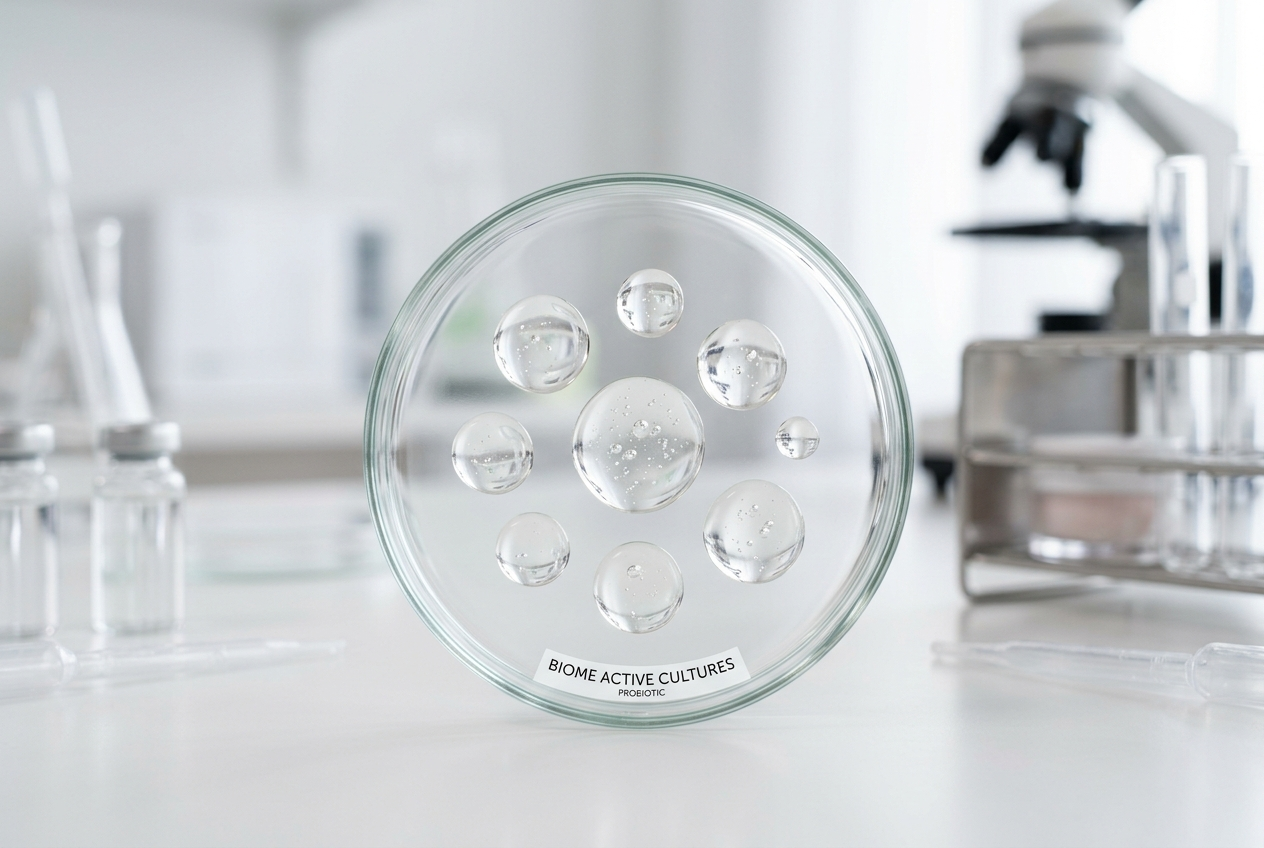
Bifida Ferment Lysate is obtained by lysing (splitting) the cells of Bifidobacterium longum. This process yields a concentrated bioactive mixture containing peptides, amino acids, B-group vitamins, organic acids, and peptidoglycans.
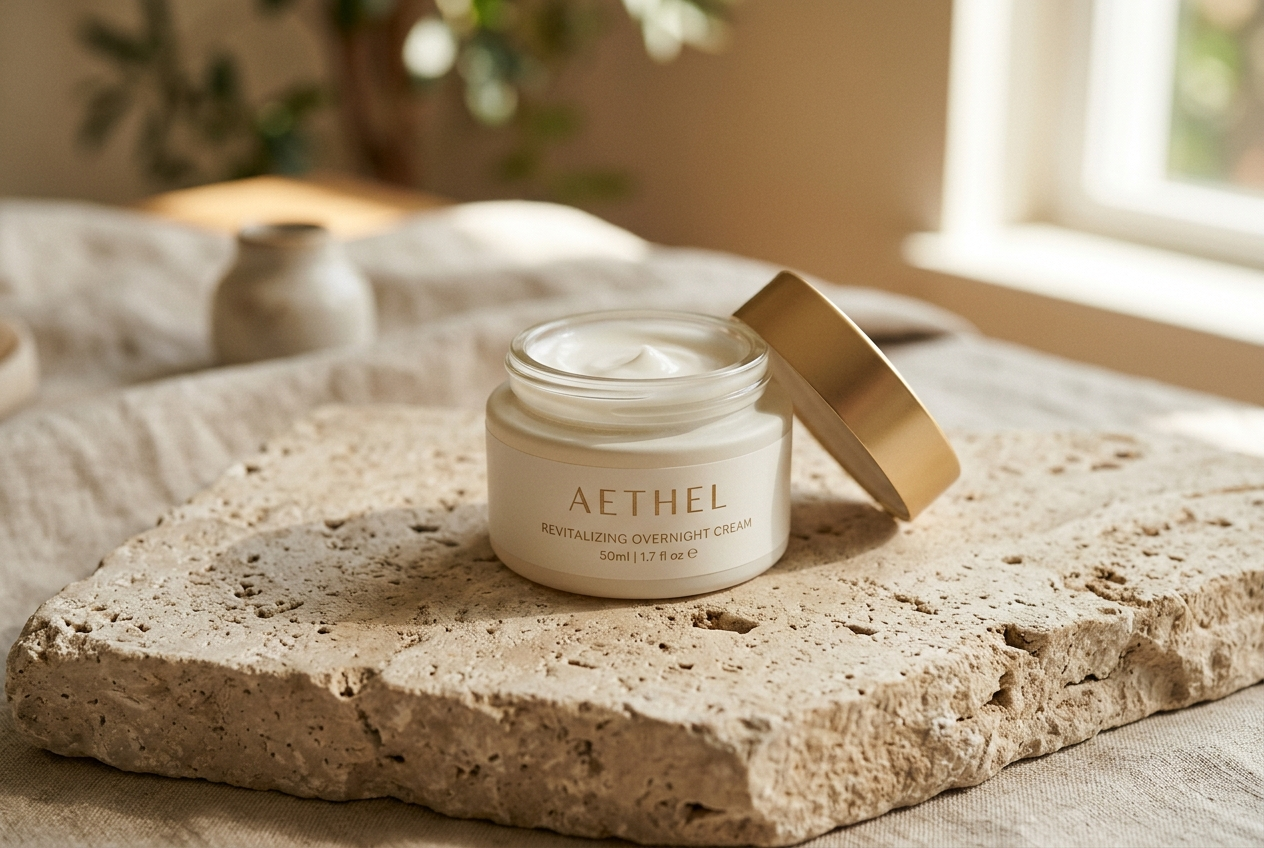
Unlike live probiotics, this lysate remains completely stable in creams and serums. It is typically formulated at concentrations between 2% and 10%. Active serums are commonly sold in 1 fl oz (30 ml) dropper bottles, while barrier repair creams are packaged in 1.7 oz (50 ml) jars.
3. How Bifida Ferment Lysate Reinforces the Skin Barrier
At the cellular level, Bifida Ferment Lysate stimulates the epidermis to operate more efficiently. In a clinical study published in PMC9523416, researchers observed the following key barrier benefits of bifidobacterium derivatives:
Stimulation of Structural Proteins
The lysate stimulates the production of proteins responsible for epidermal barrier matrix assembly:
- Filaggrin: A precursor protein that breaks down into Natural Moisturizing Factors (a mixture of amino acids and salts that bind and hold water inside cells).
- Loricrin & Involucrin: Core structural proteins that build a resilient cornified cell envelope, enhancing physical skin toughness.
Combatting "Inflammaging"
Skin aging driven by chronic, low-grade subclinical inflammation is termed inflammaging (inflammation-induced aging). Bifida Ferment Lysate mitigates this process by downregulating pro-inflammatory cytokines (inflammatory cell signals) and reducing cellular sensitivity, thereby calming redness and irritation.
4. How to Use Postbiotics in Your Routine
Cosmetics containing Bifida Ferment Lysate are universal. They suit all skin types and ages, and are highly recommended for sensitive skin, redness-prone skin, post-peel recovery, or to buffer the drying effects of retinoids.
Selection Tips:
- Ingredients to Look For: Search for
Bifida Ferment Lysate(other beneficial lysates includeLactobacillus Ferment LysateandSaccharomyces Ferment). - Synergy Pairs: Pair with ceramides (to rebuild lipids), hyaluronic acid (for deep moisture), and niacinamide (for barrier strengthening).
- Application Frequency: For optimal results, apply postbiotic-infused formulas twice daily — morning and night.
By supporting microbiome homeostasis and strengthening epidermal tight junctions, Bifida Ferment Lysate helps the skin retain its density, elasticity, and radiant appearance.