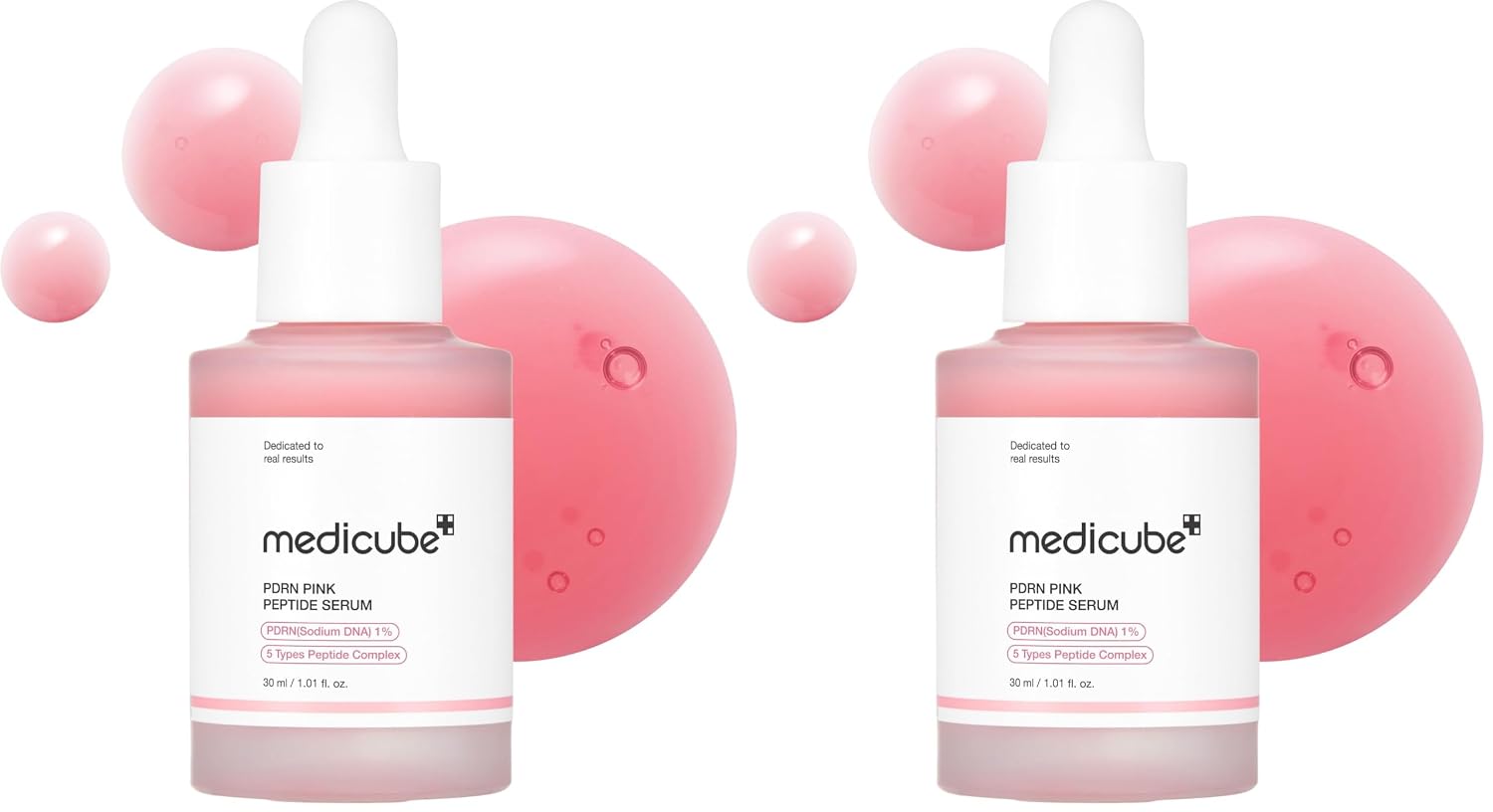
Peptides are among the most discussed ingredients in cosmetics in recent years. They're called "smart molecules," credited with Botox-like effects, and promised to deliver rejuvenation without injections.
In practice, it's much more measured—and that's exactly what makes it interesting.
Let's understand what peptides actually do for the skin, what these claims are based on, and where science ends and marketing begins.
What Are Peptides—Simply Explained
Peptides are short chains of amino acids, essentially fragments of proteins. In the human body, they constantly participate in signaling between cells.
To put it simply, peptides are biological "messages" that tell cells:
- whether to synthesize something
- when to reduce inflammation
- whether to recover more actively
This is the principle behind their use in cosmetics.
How Peptides Work in a Cream, Not Just in Theory
A common argument against peptides goes like this:
"They're too large to penetrate the skin."
This is partly true—peptides don't penetrate as deeply as pharmaceutical drugs. But they don't need to.
Modern peptides work:
- in the upper layers of the skin
- through receptors of epidermal cells
- by triggering signaling cascades
This is why their effect is:
- not instantaneous
- moderate
- cumulative
This is a cosmetic improvement, not a medical intervention.
Which Peptides Are Actually Used in Cosmetics
Signaling Peptides—The Most Reliable Group
These are the most studied peptides with a clear mechanism of action.
Examples:
- Palmitoyl Pentapeptide-4
- Palmitoyl Tripeptide-1
- Palmitoyl Tetrapeptide-7
- complexes like Matrixyl 3000
What research has shown:
- stimulation of collagen I and III synthesis
- improvement in skin density and elasticity
- reduction in fine lines with regular use
The effect is considered moderate but reproducible when used for at least 8–12 weeks.
Important: This is not "rejuvenation," but rather support for skin quality.
Neuropeptides—The "Botox in a Bottle"
These are associated with the highest expectations.
Examples:
- Acetyl Hexapeptide-8 (Argireline)
- Pentapeptide-18
They do influence nerve signal transmission, but very gently.
What actually happens:
- slight reduction in facial muscle activity
- wrinkles appear less pronounced at rest
What doesn't happen:
- muscles are not "blocked"
- deep wrinkles don't disappear
- the effect doesn't persist after discontinuation
Important: This is a cosmetic filter, not an alternative to injections.
Copper Peptides—Recovery and Healing
The most well-known is Copper Tripeptide-1 (GHK-Cu).
It participates in processes of:
- skin recovery
- healing
- inflammation regulation
There is data on its positive effect on skin texture, but:
- there are fewer studies
- results are inconsistent
- individual reactions are possible
Tip: A promising ingredient, but not a universal solution.
Soothing Peptides—Quiet but Useful
A less known but important group.
They:
- reduce inflammation
- decrease redness
- improve skin comfort
Especially relevant for:
- sensitive skin
- rosacea
- post-procedure care
The effect isn't "visually dramatic," but it's clinically significant.
What Peptides Don't Do—Honestly
Peptides in cosmetics:
- ❌ don't replace Botox
- ❌ don't work like fillers
- ❌ don't provide instant lifting
- ❌ don't reprogram the skin
And most importantly—they don't compete with retinoids, they complement them.
Who Peptides Are Really Suitable For
Peptides are a reasonable choice if:
- skin is sensitive
- aggressive actives are poorly tolerated
- the goal is prevention, not correction
- post-procedure care is needed
They work best:
- with regular use
- in combination with SPF
- with good hydration
Bottom Line: A Realistic View
Peptides are neither a sensation nor a gimmick.
They are a careful, scientifically grounded tool with a limited but clear effect.
They don't make skin "younger," but they can make it more stable, dense, and well-maintained over time.
And in modern skincare, that's already significant.