Important: this article does not tell you to start, stop, or change a weight-loss medication. Decisions about obesity, diabetes, or prescription drugs should be made with a licensed medical professional. This article explains why the face, skin, and hair can change after weight loss.
"Ozempic face" sounds like a medical diagnosis, but it is not one. It is a popular phrase for a face that looks more tired after noticeable weight loss: less fullness in the cheeks, deeper folds, more shadow under the eyes, and a softer jawline. The phrase is attached to weight-loss medications, but the main mechanism is often simpler: when weight drops quickly, the face can lose fat and support too.
That does not mean a medication is "aging your face." It also does not mean fillers are the first answer. A good plan starts with weight-loss pace, nutrition, muscle, skin health, and expectations. Procedures come later, if they are needed at all.
What "Ozempic face" actually means
Ozempic is a brand name for semaglutide used to treat type 2 diabetes. Other medicines in the same or related categories are used for diabetes or chronic weight management. Many people casually call them GLP-1 medications. That stands for glucagon-like peptide-1, a hormone pathway involved in appetite, fullness, and blood sugar. You do not need to remember the abbreviation. The point is that these are prescription medications, not beauty hacks.
When someone loses weight, fat does not leave only the stomach or hips. The face can lose volume too. For some people, that looks fresh and defined. For others, it looks abrupt: flatter cheeks, stronger smile lines, more visible under-eye hollows, and looser-looking skin.
Cleveland Clinic describes "Ozempic face" as facial volume loss after rapid or significant weight loss. In other words, the core issue is usually the speed and amount of weight loss, not a mysterious face-specific side effect.
Why the face can look older
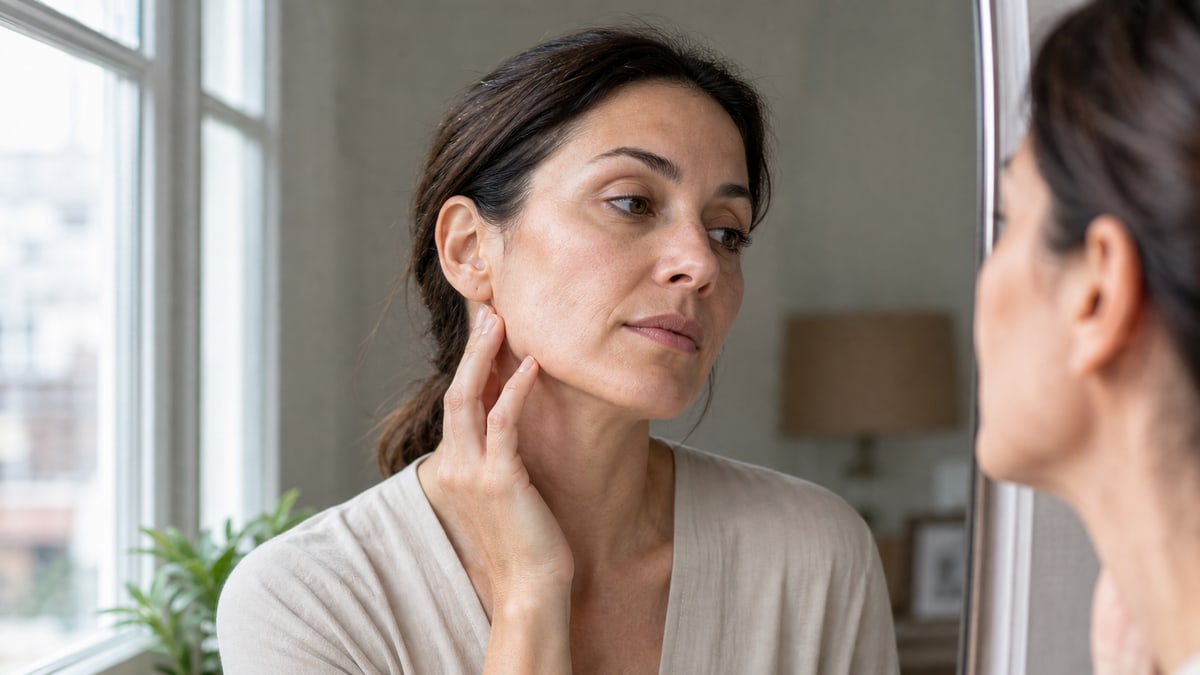
The face is held together by more than skin. It includes skin, fat pads, ligaments, muscle, bone structure, sleep, nutrition, inflammation, and genetics. Fast weight loss can change several of those layers at once.
- The midface may lose fat support.
- Natural folds and shadows become more visible.
- Skin may not tighten at the same speed as the weight change.
- Very low calorie intake can make skin look drier or duller.
- Stress, illness, or rapid weight loss can trigger temporary hair shedding.
The effect is more noticeable when weight loss is fast, when someone is over 35 or 40, when facial volume was already low, when protein intake is poor, when strength training is missing, or when sleep is consistently bad.
Where weight-loss drugs fit in
Semaglutide and tirzepatide can lead to significant weight loss for some patients. They are medical treatments, not cosmetic shortcuts. They should be used with appropriate medical supervision, dosing, nutrition planning, and follow-up.
Risk rises when weight drops too fast, protein intake is low, muscle is lost, side effects are ignored, or people buy unapproved versions online. The U.S. Food and Drug Administration, often called the FDA, has warned about unapproved versions of these drugs used for weight loss, including concerns about dosing errors, quality, and adverse reactions.
The practical takeaway is balanced: if a medication is prescribed and monitored, it should not be demonized. But if your face, hair, skin, or energy changes quickly, the next step is not panic. It is a medical conversation about pace, nutrition, hydration, lab work, and whether the treatment plan needs adjustment.
Start with the basics that actually matter
The least glamorous steps often make the biggest difference because skin and hair respond to nutrition, recovery, and overall health.
Protein. During weight loss, protein matters for muscle and tissue repair. It also matters for normal hair growth. The right target depends on your health history, especially kidney, liver, or digestive conditions, so it is worth discussing with a clinician or registered dietitian.
Strength training. Muscle helps preserve shape, strength, and metabolic health. It will not restore facial fat, but it can reduce the "deflated" look that comes from losing weight and muscle at the same time.
Sleep and recovery. Poor sleep can make the face look tired even without weight loss: more puffiness, dullness, and under-eye shadow.
Sunscreen and gentle skin care. Sun exposure accelerates visible aging. Harsh scrubs and aggressive acids can make stressed skin more irritated. During active weight loss, the safest routine is usually simple: gentle cleanser, moisturizer, daily sunscreen, and barrier support.


Why hair can shed after weight loss
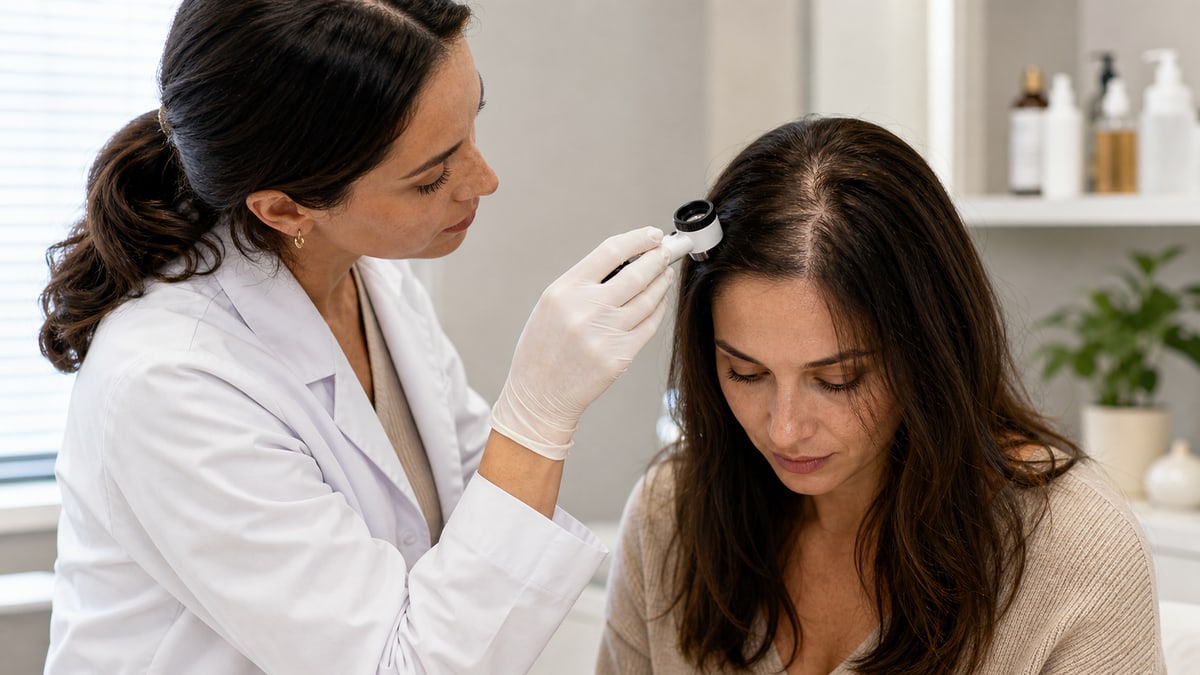
Some people notice diffuse hair shedding after rapid weight loss. A common pattern is telogen effluvium, which means more hairs shift into the shedding phase after a physical or emotional stressor. Cleveland Clinic lists rapid weight loss among possible triggers.
This usually does not happen the same week weight drops. It often appears a few months later: more hair in the shower, on the pillow, or in the brush. The mistake is treating it only with oils, serums, or supplements without checking the basics: iron stores, vitamin D, thyroid health, protein intake, and overall calorie restriction.
If shedding is severe, lasts more than a few months, appears in patches, or comes with scalp pain, itching, or other symptoms, see a dermatologist. Hair loss is not something to solve from a social media ad.
When aesthetic procedures make sense
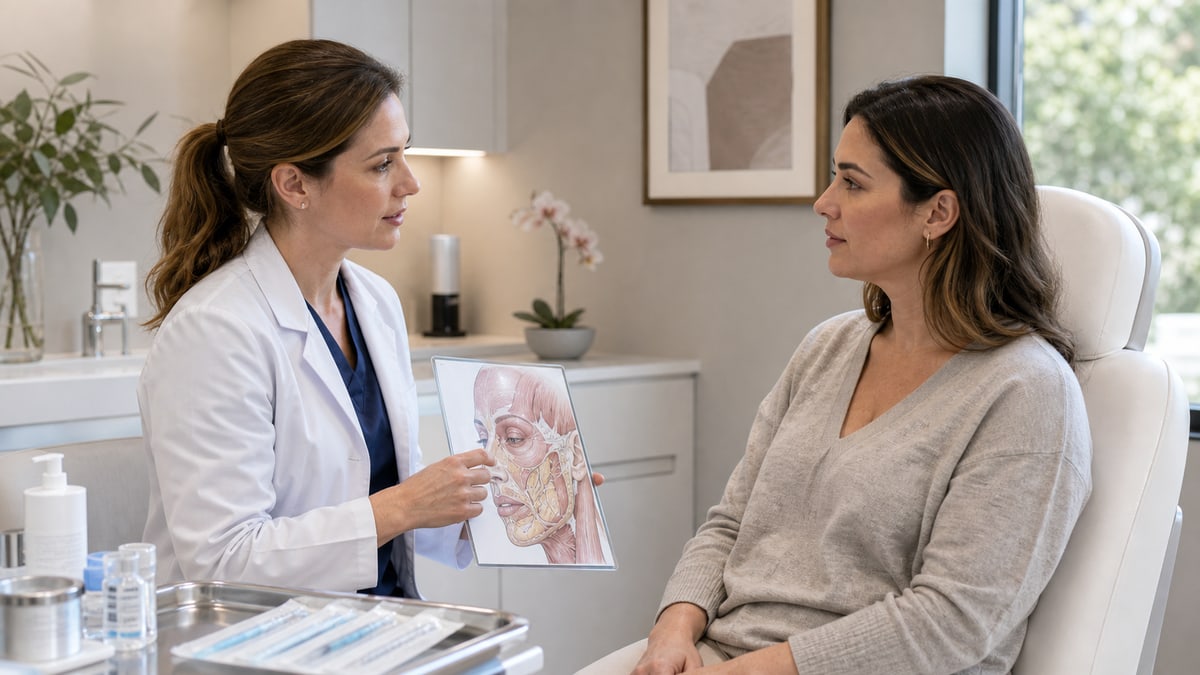
Aesthetic treatments can help the right person, but timing matters. If weight is still changing quickly, the face is still changing too. Fillers, lasers, and tightening procedures may need to be revised as the body settles.
It is usually smarter to stabilize weight for a few months, improve nutrition, check hair and skin health, and then build a plan with a board-certified dermatologist, plastic surgeon, or qualified aesthetic physician.
Options that may be discussed:
- conservative filler for volume restoration;
- collagen-stimulating injectables when appropriate;
- lasers or radiofrequency treatments for skin quality;
- surgery when the main issue is excess tissue, not texture;
- medical skin care if dryness, rosacea, acne, or irritation is present.
What to avoid:
- overfilling the face in a hurry;
- aggressive procedures during severe calorie restriction;
- buying "Ozempic face skin care" that promises to restore volume;
- injections from someone who cannot explain the product, risks, and complication plan.
The FDA reminds consumers that dermal fillers have real risks and should be used by qualified professionals. They are not makeup, and they are not a quick fix for every change after weight loss.
When to call your doctor
- Weight is dropping too quickly or you cannot eat enough.
- You have ongoing nausea, weakness, dizziness, or dehydration.
- Hair shedding is sudden, severe, or patchy.
- Skin becomes very dry, painful, or inflamed.
- You feel pressured to do multiple procedures because your face feels unfamiliar.
- Your medication came from an unclear source or not a regular pharmacy.
Bottom line
"Ozempic face" is a catchy name for a real but understandable change: after fast weight loss, the face can lose volume and look older. That does not mean weight loss was a mistake. It means the body needs a steadier plan.
The most honest approach is not trendy, but it works better: medical supervision, a realistic pace, enough protein, strength training, sleep, sunscreen, gentle skin care, and only then, if needed, carefully chosen aesthetic treatment.
Sources
- Cleveland Clinic: What Is Ozempic Face?
- FDA: FDA's Concerns with Unapproved GLP-1 Drugs Used for Weight Loss
- FDA: Dosing Errors Associated with Compounded Injectable Semaglutide Products
- Wegovy Prescribing Information
- Zepbound Prescribing Information
- Cleveland Clinic: Telogen Effluvium
- FDA: Dermal Filler Do's and Don'ts