Important: This guide is intended strictly for educational purposes and is synthesized from peer-reviewed clinical dermatology literature. Always consult with a board-certified dermatologist before introducing high-potency retinoids or active chemical exfoliants into your regimen.
In dermatology, the age of 40 represents a defining biological watershed. In our twenties and early thirties, skin possesses resilient cellular reserves: it readily forgives missed sunscreen applications, short sleep schedules, or harsh foaming face washes. Past 40, however, these compensatory buffers diminish rapidly. Many individuals experience what clinicians refer to as "perceived sudden aging"—a trusted moisturizer that provided a supple glow for five years suddenly leaves the skin feeling parched within two hours, sleep pillow creases take half the day to fade, and jawline contours slowly begin to soften.
This is not a failure of your cosmetic products; it is a synchronized physiological shift across three essential skin layers: the stratum corneum barrier, the dermal extracellular matrix, and the dermal microvascular network.
1. The Cellular Clock: What Really Shifts After 40
To construct an effective, restorative skincare protocol, we must first examine the three primary biological changes that unfold within mature skin tissues:
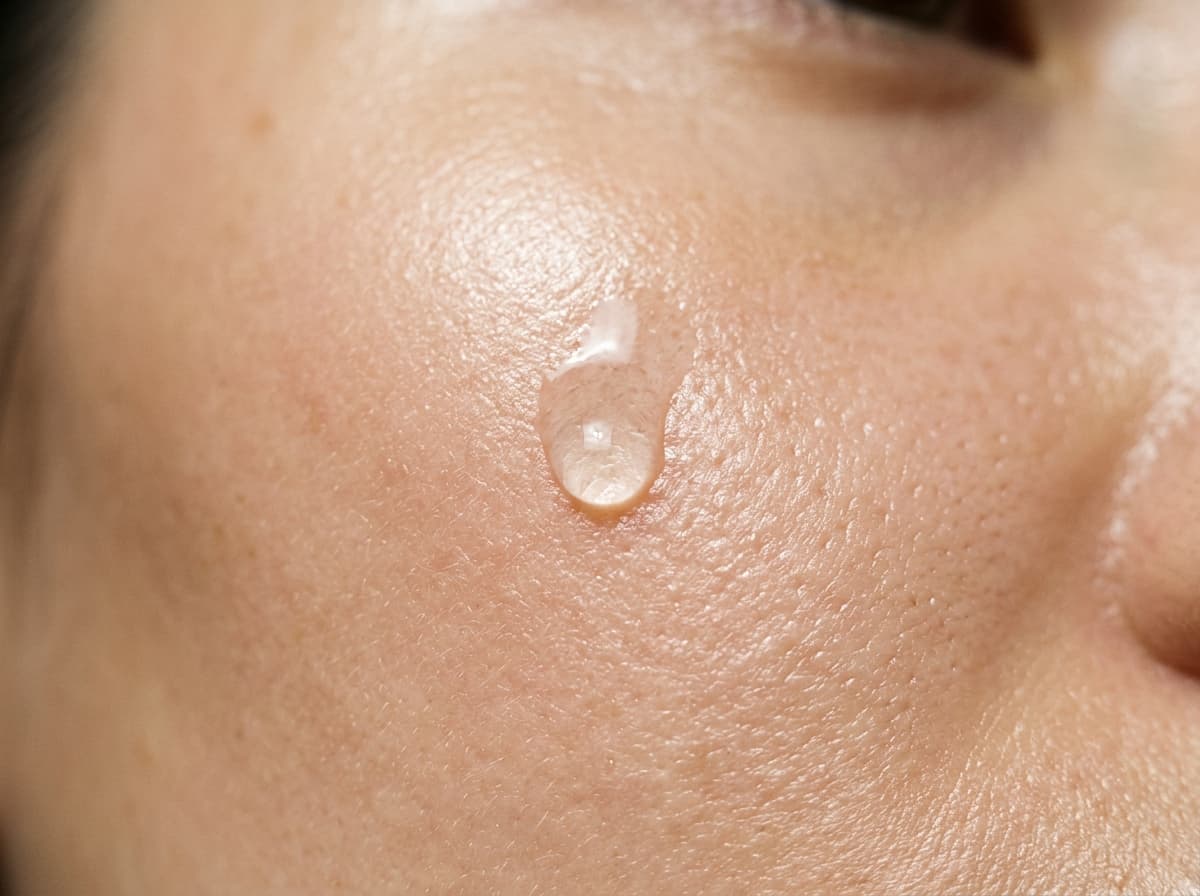
- Decelerated Epidermal Turnover (Cellular Proliferation): In young skin, basal keratinocytes divide and migrate upward through the stratum corneum in approximately 28 days. After age 40, this renewal cycle lengthens to 45–60 days. Desquamation slows down, leaving accumulated, parched corneocytes on the surface. This creates a rough, dull surface that accentuates fine lines and hinders the penetration of active serums.
- Precipitous Decline in Natural Ceramides: According to a clinical consensus published in the Journal of Drugs in Dermatology (PMID 36745380), the endogenous synthesis of intercellular lipids—ceramides, cholesterol, and free fatty acids—drops by 40% to 50%. The protective lipid bilayer becomes leaky, resulting in accelerated transepidermal water loss (TEWL) and heightened environmental reactivity.
- Endocrine Shifts & Collagen Matrix Depletion: As reviewed in the Journal of Cosmetic Dermatology (PMID 40847905), perimenopausal fluctuations in estrogen levels trigger an annual 1% to 2% decline in dermal Type I and Type III collagen production, while matrix metalloproteinases (MMPs—enzymes that break down structural elastin) increase their activity.
2. Morning Protocol: Antioxidant Shield & Photoprotection
The core objective of morning skincare after 40 is not aggressive stimulation, but robust defense against oxidative stress induced by solar ultraviolet radiation, airborne pollution, and high-energy visible blue light (HEV).
Step 1: Ultra-Gentle, Non-Stripping Cleansing
Discard foaming cleansers formulated with harsh surfactants (SLS/SLES). In mature skin, morning cleansing must preserve every milligram of the natural lipid envelope. Opt for cleansing milks, lipid-rich cleansing balms, or non-foaming amino-acid emulsions with a skin-friendly pH (5.0–5.5). For very dry skin, a gentle rinse with lukewarm filtered water is often sufficient.
Step 2: Advanced Cellular Antioxidant Protection
The gold standard for daylight cellular defense is Vitamin C:
- For normal to combination skin: Pure 10–15% L-Ascorbic Acid stabilized with Ferulic Acid and Vitamin E.
- For dry, sensitive, or easily flushed skin: Lipid-soluble 10% THD Ascorbate (Tetrahexyldecyl Ascorbate). Because it is lipophilic, it effortlessly integrates into the epidermal lipid matrix without causing stinging or redness, stimulating dermal collagen synthesis at deep cellular levels.
- Pair with Ectoin and 2–4% Niacinamide to strengthen cell membranes and prevent hyperpigmentation spikes.
Step 3: Barrier Moisture & Broad-Spectrum SPF 50+
Sunscreen is non-negotiable. Broad-spectrum protection (UVA/UVB with PA++++ ratings) prevents collagen fragmentation.
Clinical Dosage Rule: To achieve the labeled SPF 50+ rating, you must apply 0.04–0.05 fl oz (1.25 ml / approx. 1/4 teaspoon) over the face and neck—the equivalent of two full finger lengths (index and middle fingers) of sunscreen cream.
3. Evening Protocol: Retinaldehyde & the 40+ «Skin Cycling» Method
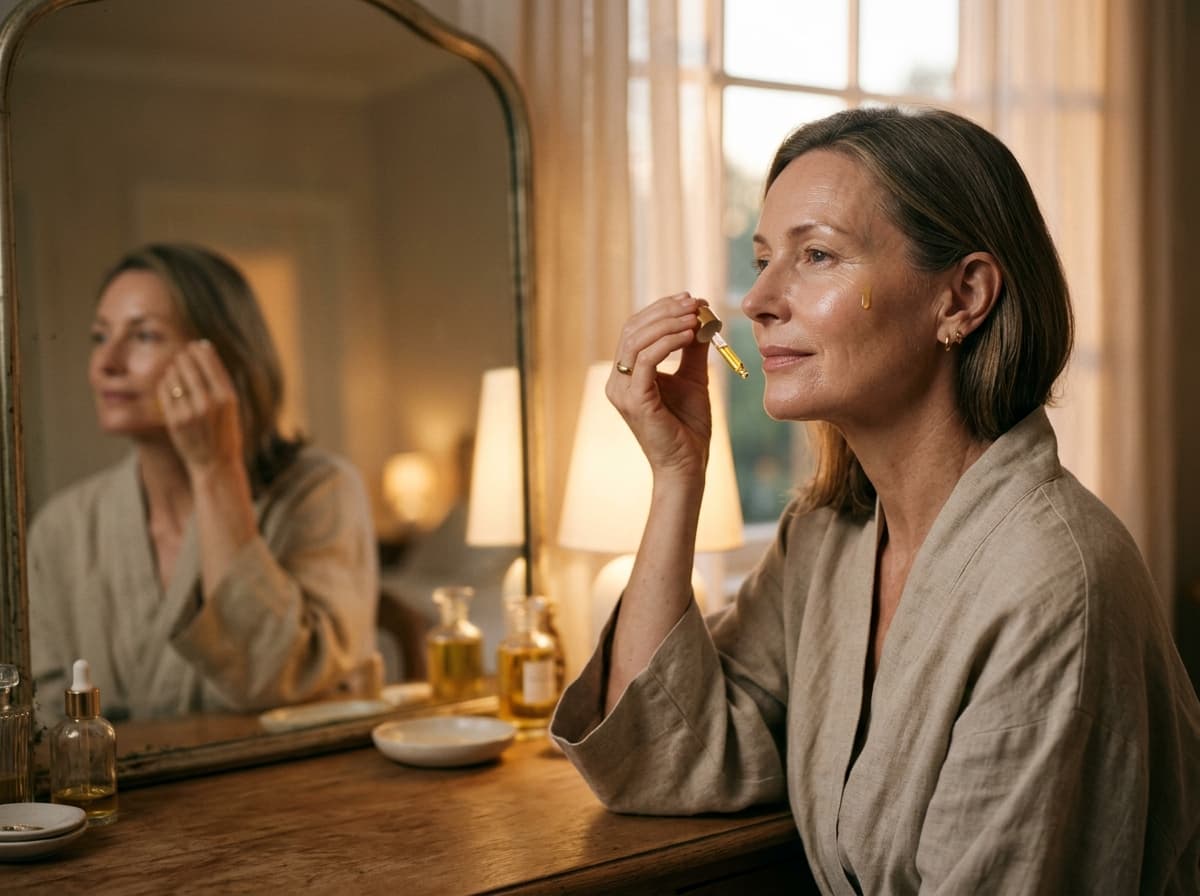
Nighttime is when the skin's circadian repair mechanisms peak, microcirculation accelerates, and retinoic acid nuclear receptors (RAR and RXR) become primed for renewal.
Why Mature Skin Demands Retinaldehyde Over Retinol
Traditional over-the-counter retinol must undergo two distinct enzymatic oxidation steps in the skin: first converting into retinaldehyde, and then into active retinoic acid. As enzymatic conversion rates drop with age, this conversion becomes inefficient and inconsistent.
As documented in clinical trials (PMC6791161), retinaldehyde requires only a single bio-conversion step, delivering clinical collagen stimulation up to 11 times faster than standard retinol with significantly less surface peeling and erythema.
The 7-Day Skin Cycling Schedule for Over 40 Skin
To prevent compromised lipid barriers and retinoid dermatitis, leading dermatologists recommend a structured 7-day rotation:
- Monday (Gentle Exfoliation): 5% Lactic acid serum or Polyhydroxy Acid (PHA Gluconolactone). Gently dissolves sluggish corneocytes, preparing the skin for active absorption.
- Tuesday (Retinoid Night): Apply 0.05% Retinaldehyde using the "sandwich method" (thin layer of hydrating moisturizer -> retinoid -> barrier cream).
- Wednesday (Barrier Recovery): Zero acids or retinoids. Apply soothing Centella Asiatica or Snail Mucin followed by a physiological 3:1:1 ceramide-cholesterol cream.
- Thursday (Retinoid Night): Second retinoid activation of the week.
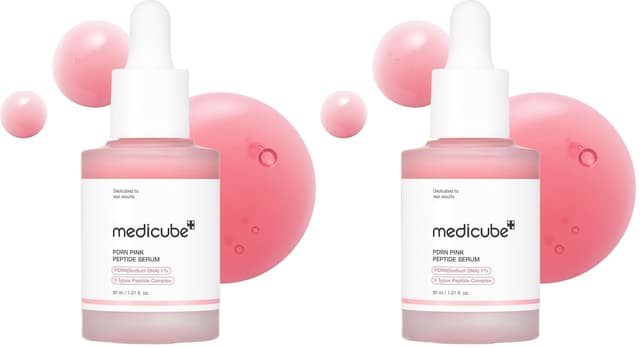
- Friday (Peptide & Biostimulation): Multi-peptide complex (Matrixyl 3000, Copper Tripeptide-1) or Salmon DNA PDRN + lipid-replenishing balm.
- Saturday (Retinoid Night): Third retinoid stimulation (if tolerated).
- Sunday (Skin Reset & Hydration): Rich barrier replenishment and recovery.
4. Next-Generation Biostimulation: Signal Peptides & Salmon PDRN
While retinoids command cellular division, mature skin requires specific biochemical signals to rebuild the extracellular matrix. Two cutting-edge ingredients define dermatological anti-aging in 2026:
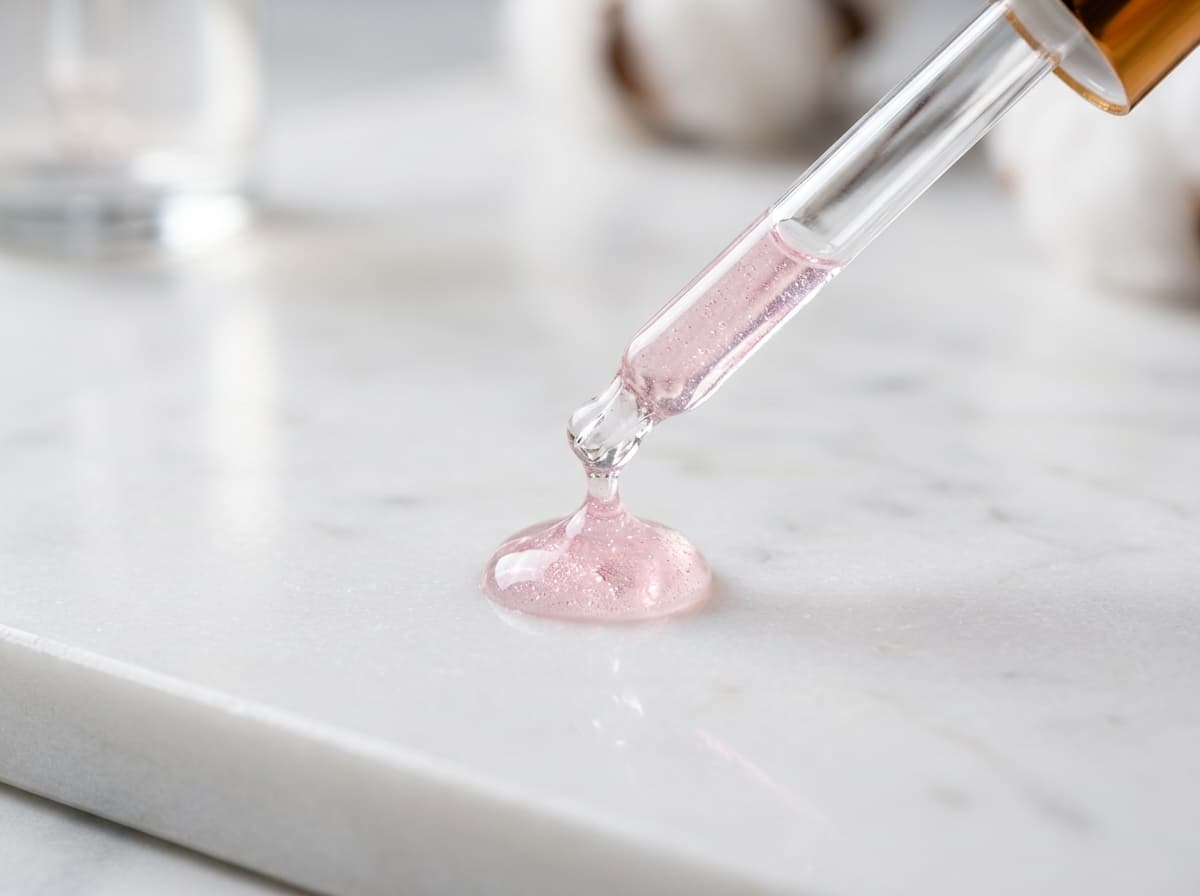
- Signal Peptides (Matrixyl 3000, Syn-Coll, Argireline Amplified): Short amino-acid sequences that mimic breakdown fragments of collagen. They interact with fibroblast cell receptors, prompting them to synthesize fresh procollagen and hyaluronic acid.
- Polydeoxyribonucleotide (PDRN / Salmon DNA): Purified DNA fragments derived from salmon reproductive cells. By binding to adenosine A2A receptors, PDRN accelerates microvascular capillary angiogenesis, extinguishes chronic micro-inflammation (inflammaging), and restores skin elasticity.
5. Inside-Out Synergy: Nutrition, Collagen & Hydration
True biological rejuvenation requires an «Inside + Outside» strategy. While topical serums shield the stratum corneum, dermal fibroblasts depend entirely on microvascular nutrient delivery.
Evidence-Based Internal Protocol:
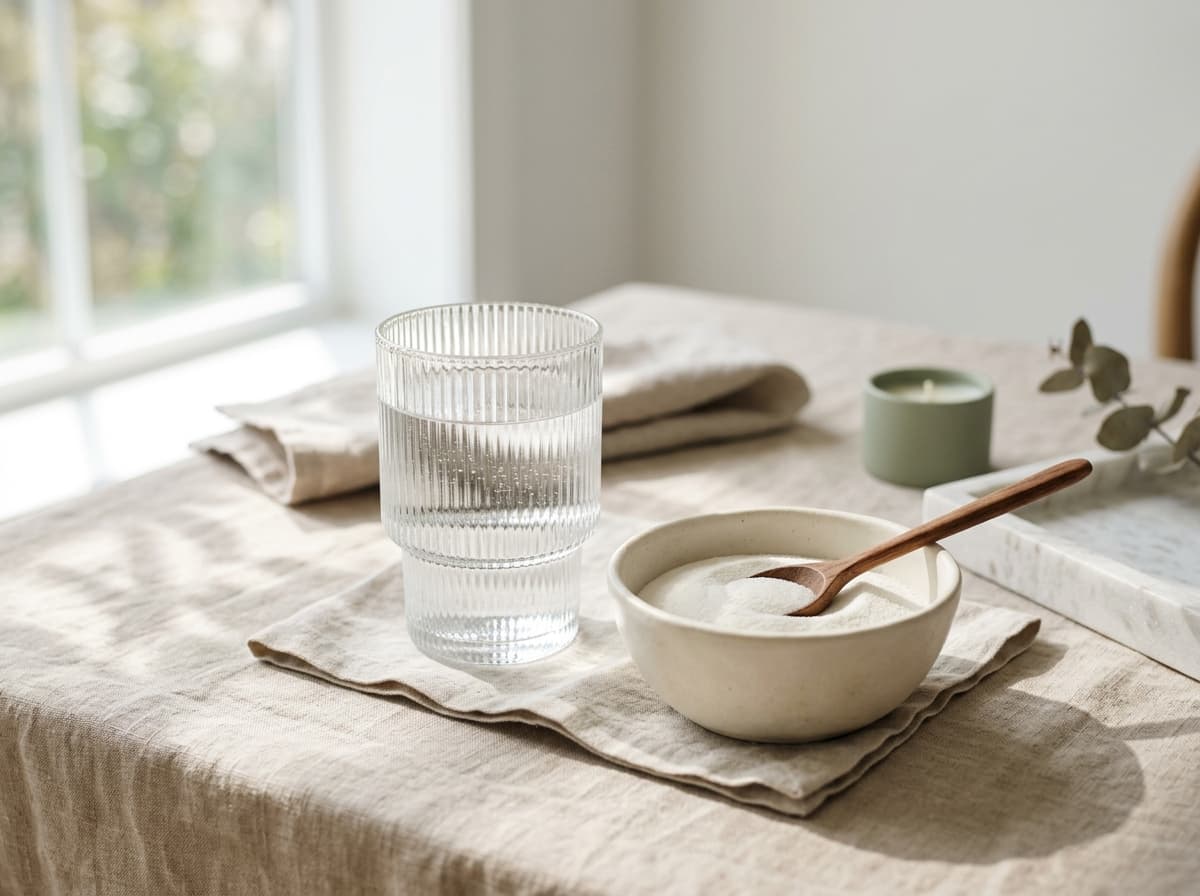
- Hydrolyzed Collagen Peptides (Type I & III): A systematic dermatological review (PMID 30681787) confirmed that consuming 0.35–0.53 oz (10–15 g) of bioactive collagen hydrolysate daily for 8 to 12 weeks significantly boosts dermal density, improves elasticity, and reduces moisture loss by up to 28%.
- Vitamin C Co-Factor: Always ingest collagen alongside 150–250 mg of Vitamin C, an essential co-factor for the enzymes prolyl and lysyl hydroxylase that synthesize the triple-helix collagen strand.
- Hydration Target: Maintain 68–85 fl oz (2.0–2.5 L) of pure water daily (approximately 9–11 eight-ounce cups) to ensure adequate interstitial fluid volume.
🧮 Calculate Your Custom Actives Matrix & Skin Cycle
Discover your precise biological cell turnover rate, get a personalized 7-day Skin Cycling calendar, and determine your daily collagen targets.
6. Over 40 Skincare Checklist
- Cleanse gently: Avoid stripping lather. Prioritize non-foaming milk or cleansing balms.
- Defend every morning: Apply 10% THD Ascorbate or L-Ascorbic Acid followed by SPF 50+ (0.04–0.05 fl oz / 1.25 ml).
- Renew at night: Use 0.05% Retinaldehyde within a structured Skin Cycling schedule.
- Replenish barrier lipids: Apply physiological 3:1:1 ceramide creams on non-retinoid recovery evenings.
- Stimulate collagen: Introduce Matrixyl 3000 peptides and salmon DNA PDRN to restore tissue elasticity.
- Support from within: Take 10–15 g of hydrolyzed collagen peptides with Vitamin C and drink 68–85 fl oz (2.0–2.5 L) of water daily.
7. Verified Clinical References
- PMC6791161: Zasada M, Budzisz E. Retinoids: active molecules influencing skin structure formation in cosmetic and dermatological treatments. Postepy Dermatol Alergol. 2019. PubMed Central
- PMID 40847905: Managing Menopausal Skin Changes: A Narrative Review of Skin Quality Changes, Aesthetic Impact, and Hormone Therapy. J Cosmet Dermatol. 2025. PubMed
- PMID 30681787: Choi FD, et al. Oral Collagen Supplementation: A Systematic Review of Dermatological Applications. J Drugs Dermatol. 2019. PubMed
- PMID 36745380: The Importance of a Healthy Skin Barrier: Ceramide-Containing Formulations and Skin Health. J Drugs Dermatol. 2023. PubMed