Important: this article is educational. It is not personal medical advice. Any injectable, device-based, or skin-injuring procedure should be discussed with a licensed physician or another properly qualified medical professional.
The most dangerous cosmetic procedures rarely look dangerous at first. They often arrive with polished language: "needle-free," "non-surgical," "fat melting," "instant brightening," "no downtime." The problem is not that every procedure is bad. The problem is that some services are sold faster than their risks, limits, and product status are explained.
This list is based on warnings and patient-safety information from the U.S. Food and Drug Administration (FDA), the U.S. Centers for Disease Control and Prevention (CDC), the American Academy of Dermatology, and major medical centers. The rule is simple: if a treatment involves sterility, anatomy, a medical device, a prescription drug, blood, or strong acids, it should not be treated like a casual beauty appointment.

How to read this list
The point is not to scare people away from every treatment. In aesthetic medicine, the right indication, product, technique, and provider matter. Each section asks three questions:
- The promise: how the procedure is usually marketed.
- Why it is questionable: where marketing gets ahead of evidence.
- Where the risk is: what can go wrong and when it is better to walk away.
If a provider can clearly explain the product, protocol, risks, alternatives, credentials, and follow-up plan, that is one conversation. If you are offered a secret formula, an at-home kit, an online injectable, or a procedure with no documentation, that is a red flag.
1. Hyaluron pens and other "needle-free fillers"
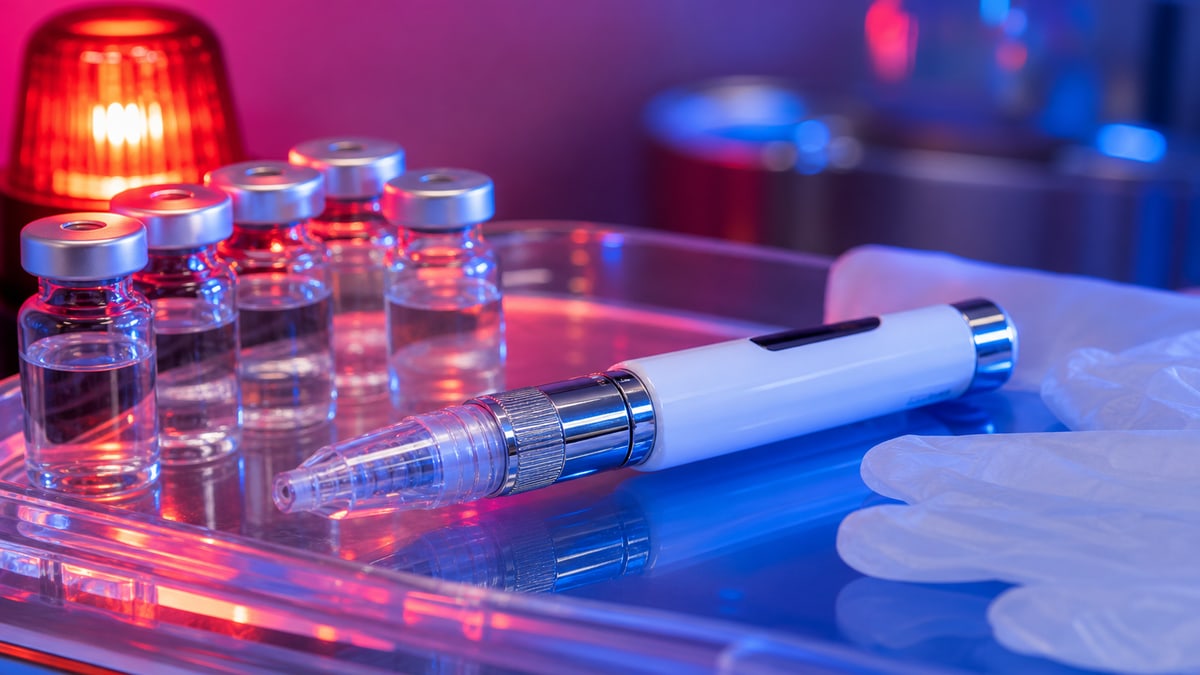
The promise: bigger lips or softer lines without needles, pain, or a medical visit. These devices use pressure to push filler through the skin and are often marketed as hyaluron pens, meaning needle-free pens for hyaluronic acid filler.
Why it is questionable: no needle does not mean no risk. The FDA says needle-free devices are not approved for injecting dermal fillers, and their safety and effectiveness for this use are unknown. The key issue is control: depth, dose, placement, and distribution are much harder to manage safely.
Where the risk is: infection, allergic reaction, lumps, scarring, blocked blood flow, and distorted lips or facial contours. At-home kits and services performed by nonmedical providers are especially concerning.
2. Injectable silicone and "liquid butt lift" body contouring
The promise: larger buttocks, breasts, hips, or other body areas without surgery or recovery time.
Why it is questionable: the FDA warns that injectable silicone is not approved for any aesthetic procedure, including face or body contouring. Dermal fillers are also not approved for large-scale body enhancement. Phrases such as "liquid butt lift" or "non-surgical Brazilian butt lift" may sound softer than surgery, but they can involve illegal or unsuitable substances injected in large volumes.
Where the risk is: chronic pain, infection, migration of material, scarring, permanent disfigurement, embolism, stroke, and death. This is not just a disappointing result; it can be a serious medical emergency.
3. Counterfeit botulinum toxin and home injections
The promise: the same wrinkle-softening effect as a known product, but cheaper and easier.
Why it is questionable: botulinum toxin is a prescription medication, not a salon supply. In 2024, CDC investigated harmful reactions linked to counterfeit or mishandled botulinum toxin injections. Reports involved unlicensed or untrained people, homes and spas, and products from unverified sources.
Where the risk is: blurred or double vision, drooping eyelids, slurred speech, dry mouth, trouble swallowing or breathing, and significant weakness. These symptoms require urgent medical care. If the product source cannot be verified, the safest answer is no.

4. Fat-dissolving injections for the stomach, arms, and thighs
The promise: melt local fat without diet, exercise, or surgery. These services may be called lipolysis injections, fat-dissolving shots, or slimming mesotherapy.
Why it is questionable: the FDA warns that fat-dissolving injections that are not FDA approved can be harmful. In the U.S., only one injectable deoxycholic acid product is approved to reduce fat under the chin in adults. It is not approved for the abdomen, arms, thighs, back, or other body areas.
Where the risk is: infection, permanent scarring, skin deformity, cysts, painful knots, and tissue injury. Products purchased online and self-injected drugs are high-risk shortcuts.
5. Strong chemical peels bought online
The promise: erase pigmentation, acne marks, wrinkles, and dullness at home in one evening.
Why it is questionable: professional chemical peels can have a place in dermatology, but concentration, acidity, acid type, skin tone, inflammation, preparation, and aftercare all matter. In 2024, the FDA warned consumers not to buy or use certain chemical peel products without appropriate professional supervision, including high-strength products containing trichloroacetic acid, glycolic acid, salicylic acid, or lactic acid.
Where the risk is: chemical burns, long-lasting hyperpigmentation, scarring, dermatitis flares, and infection. Darker skin tones and active inflammation require extra caution.

6. Microneedling with platelet-rich plasma in an unsafe spa
The promise: a "vampire facial," using your own platelet-rich plasma for glow, firmness, and natural rejuvenation.
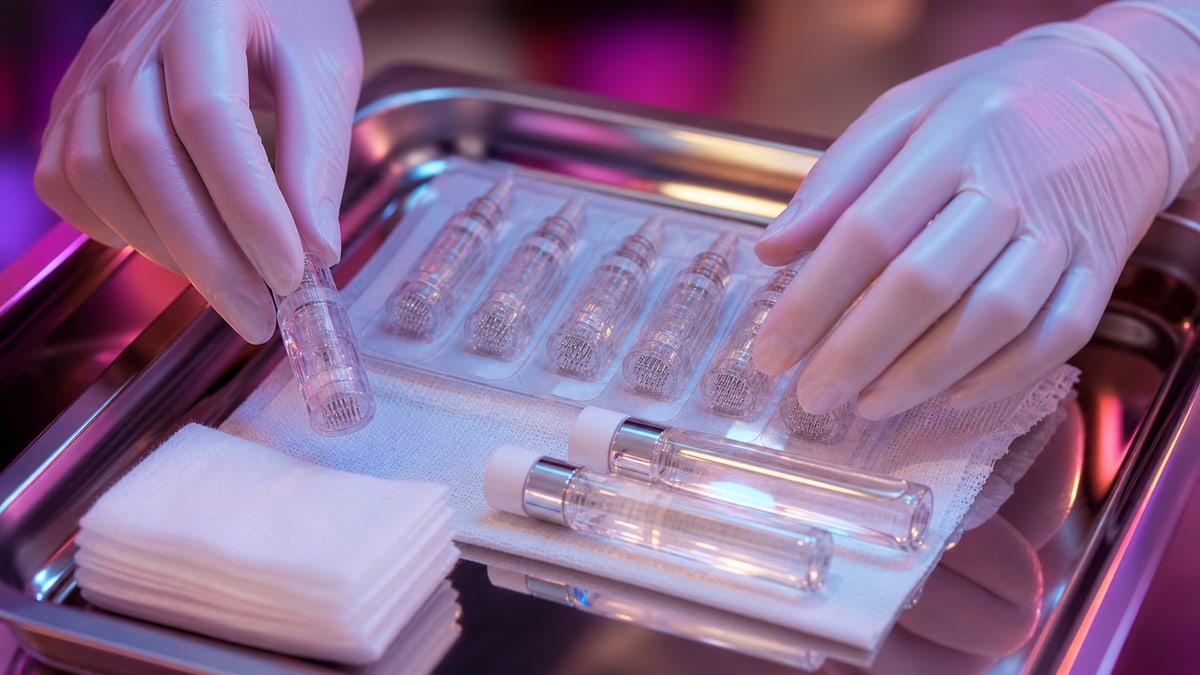
Why it is questionable: microneedling with platelet-rich plasma is not automatically dangerous when it is performed in a licensed setting with single-use supplies and strict infection control. The risk begins when blood, needles, and tubes are handled like a regular spa service. The CDC described likely HIV transmission associated with these facials at an unlicensed New Mexico spa.
Where the risk is: bloodborne infection, bacterial infection, herpes flare, pigmentation, and scarring. Before booking, ask whether new cartridges and disposable supplies are used for every client, how reusable parts are disinfected, and who manages medical complications.
7. Skin-lightening injections, mercury creams, and illegal hydroquinone products
The promise: quickly lighten skin, fade melasma, remove dark spots, and even tone without a long treatment plan.
Why it is questionable: pigmentation needs a diagnosis. Melasma, post-inflammatory marks, sun spots, and hormonal triggers are not the same problem. The FDA warns about skin-lightening products containing mercury or hydroquinone, and these ingredients may not appear on the label. In the U.S., hydroquinone skin-lightening products sold without a prescription are not legally marketed over-the-counter drugs.
Where the risk is: mercury poisoning, irritation, facial swelling, worsening discoloration, ochronosis, and systemic harm. A product with no ingredient list, a handmade label, or a social-media-only seller is not a treatment plan.
8. Indoor tanning for a "healthy glow" or base tan
The promise: prepare skin for vacation, get vitamin D, look fresher, or hide uneven tone.
Why it is questionable: the American Academy of Dermatology says tanning beds are not safer than the sun. Artificial ultraviolet radiation is linked to skin cancer risk, and a "base tan" is not reliable protection. A tan is a visible response to UV damage, not a wellness treatment.
Where the risk is: melanoma, basal cell carcinoma, squamous cell carcinoma, premature aging, pigmentation, and eye damage. If you want a tan effect, self-tanner is the safer route, but it still does not replace sunscreen.
9. Cryolipolysis sold as effortless weight loss
The promise: freeze fat and reduce body size without surgery.
Why it is questionable: cryolipolysis may reduce localized fat in suitable candidates, but it is not a weight-loss method and does not tighten loose skin. When it is sold as "drop a size with no effort," expectations are usually inflated.
Where the risk is: contour irregularity, numbness, soreness, poor results, and a rare but serious complication called paradoxical adipose hyperplasia, where the treated area becomes larger and firmer. Cleveland Clinic discusses this risk and emphasizes the importance of an experienced provider.
10. Aggressive radiofrequency microneedling and device-based "rejuvenation" with no clear indication
The promise: tighten skin, smooth wrinkles, shrink pores, lift the face, and replace more involved procedures.
Why it is questionable: radiofrequency microneedling is a medical device procedure, not home skin care. In October 2025, the FDA issued a safety communication about potential risks with certain uses of radiofrequency microneedling for dermatologic and aesthetic skin procedures. The device, depth, energy, and treatment area cannot be chosen casually.
Where the risk is: burns, scarring, fat loss, disfigurement, nerve damage, and the need for medical or surgical treatment. The more dramatic the "non-surgical lift" promise sounds, the more important it is to understand the device settings and the provider's qualifications.
Quick checklist before any cosmetic procedure
- Did the provider explain the medical goal, not just the photo result?
- Do you know the exact product or device name?
- Is the provider licensed and trained for this specific area?
- Were common and rare complications explained in plain language?
- Is there written informed consent and a plan for complications?
- Are you being asked to buy a product online or bring your own injectable?
- Are the results described realistically, without "risk-free," "permanent," or "works for everyone" claims?
Bottom line
A useless procedure is not always one with zero effect. More often, it is a procedure done for the wrong person, with the wrong product, in the wrong setting, or with promises that do not survive scrutiny. A dangerous procedure usually has recognizable red flags: secret formulas, no credentials, no sterile protocol, no medical follow-up, and no honest discussion of risk.
If a treatment crosses the skin, involves blood, uses energy, applies strong acids, or depends on a prescription drug, treat it as a medical procedure. Beauty should never require guessing what was injected into you or what was used on your skin.
Sources
- FDA: Dermal Fillers (Soft Tissue Fillers)
- FDA: Dermal Filler Do's and Don'ts
- FDA: Using Fat-Dissolving Injections That Are Not FDA Approved Can Be Harmful
- CDC: Harmful Reactions Linked to Counterfeit "Botox"
- CDC MMWR: HIV Transmission Associated with Platelet-Rich Plasma Microneedling Facials
- FDA: Skin Products Containing Mercury and/or Hydroquinone
- FDA: Chemical Peel Skin Products Warning
- American Academy of Dermatology: Dangers of Indoor Tanning
- FDA: Potential Risks with Certain Uses of Radiofrequency Microneedling
- Cleveland Clinic: CoolSculpting Risks and Side Effects