We can buy expensive serums, creams with "clinical studies," and masks from TikTok — and still damage our skin at the most basic stage.
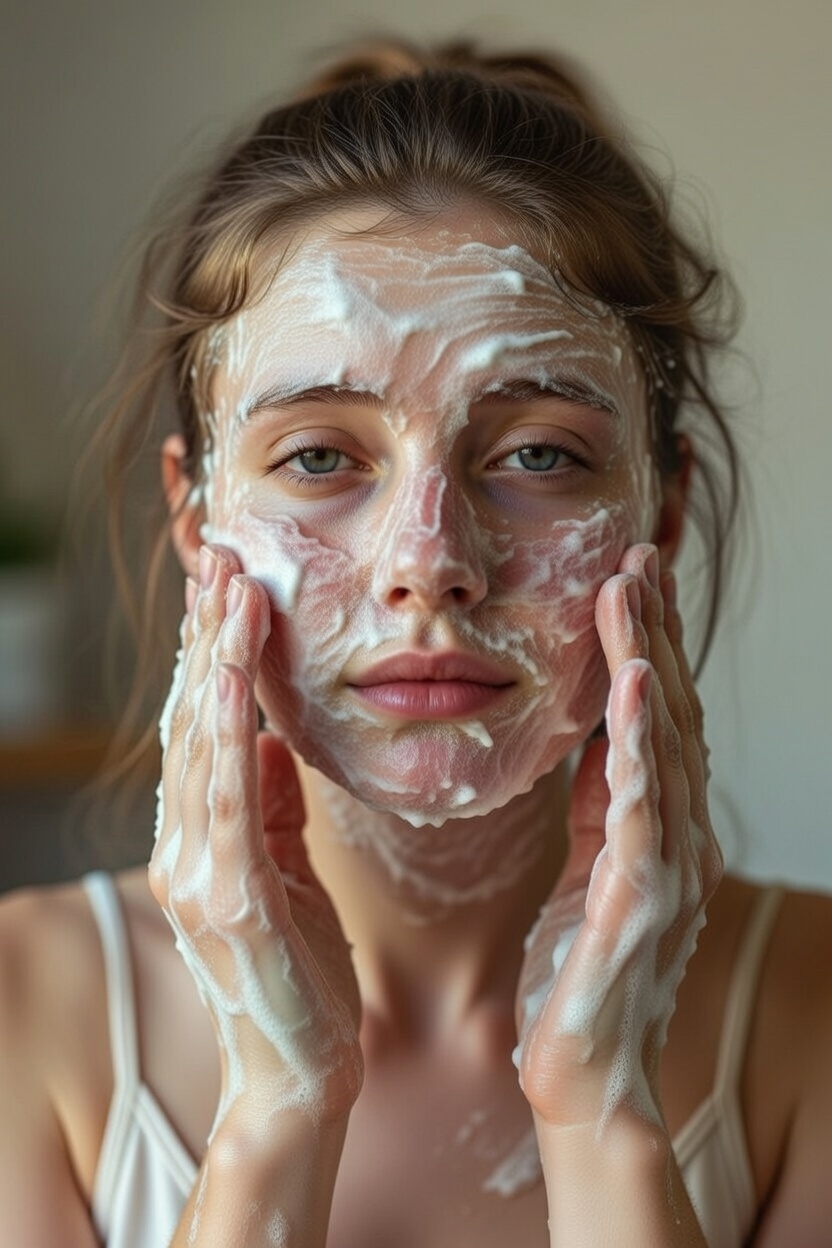
Facial cleansing seems simple, but this is where women most often make mistakes that lead to breakouts, dryness, sensitivity, and dull skin.
Let's break down the 5 most common mistakes that keep happening again and again.
1. Cleansing "Until It Squeaks" and Love for Alcohol
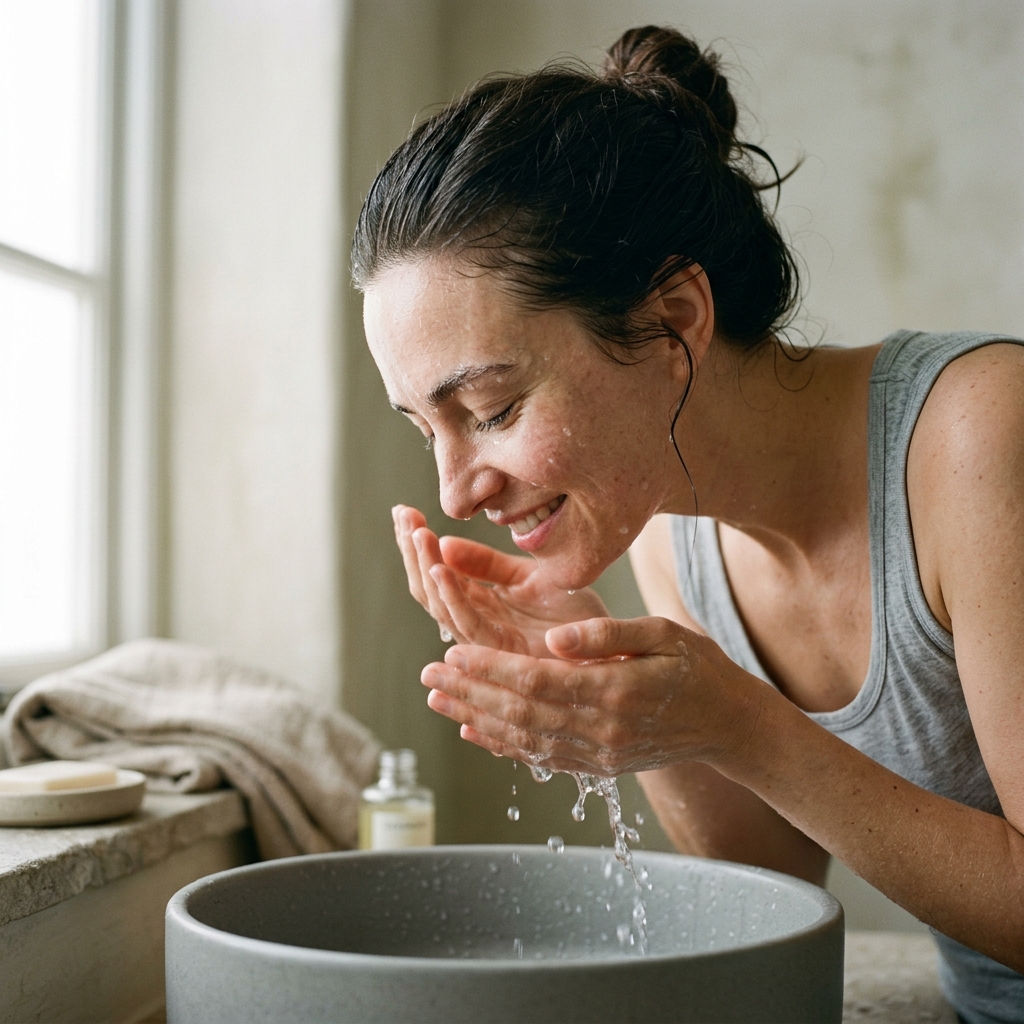
If after washing your skin feels tight, stings, and you want to immediately apply something — that's not cleanliness, that's damage.
Alcohol in cleansers and toners:
- destroys the protective lipid barrier
- over-dries the skin
- causes dehydration
- makes oily skin produce even more sebum
The myth that alcohol "dries out pimples" is long outdated. In reality, it creates a vicious cycle: skin dries → skin protects itself → even more breakouts appear. Instead of aggressive drying toners, modern dermatologists recommend medical-grade hydrocolloid patches (such as Hero Cosmetics Mighty Patch) to painlessly absorb impurities overnight without stripping your barrier.
Important: clean skin is comfortable skin, not skin that "squeaks."

2. Scrubs Too Often and Too Harsh
Scrubs with large abrasive particles are one of the most underestimated causes of skin problems.
What happens when we:
- use a scrub 2–3 times a week
- rub the skin "to be sure"
- apply it when there are breakouts
Micro-cracks, appearance of pigmentation spots, inflammation, increased sensitivity, and worsening acne. Scrubs are especially dangerous for:
- sensitive skin
- skin with acne
- skin with rosacea
Exfoliation should renew the skin, not traumatize it. In most cases, gentle acid-based products work much safer and more effectively.
3. "I'm So Tired, I'll Wash My Makeup Off in the Morning"
Yes, this happens. And much more often than we like to admit.
When makeup and SPF stay on the skin overnight:
- pores get clogged
- skin doesn't recover
- inflammation increases
- gray, tired-looking skin appears
Even if you thoroughly wash your face in the morning — the damage is already done. Nighttime skin regeneration simply doesn't happen.
Tip: if you're completely exhausted, at least:
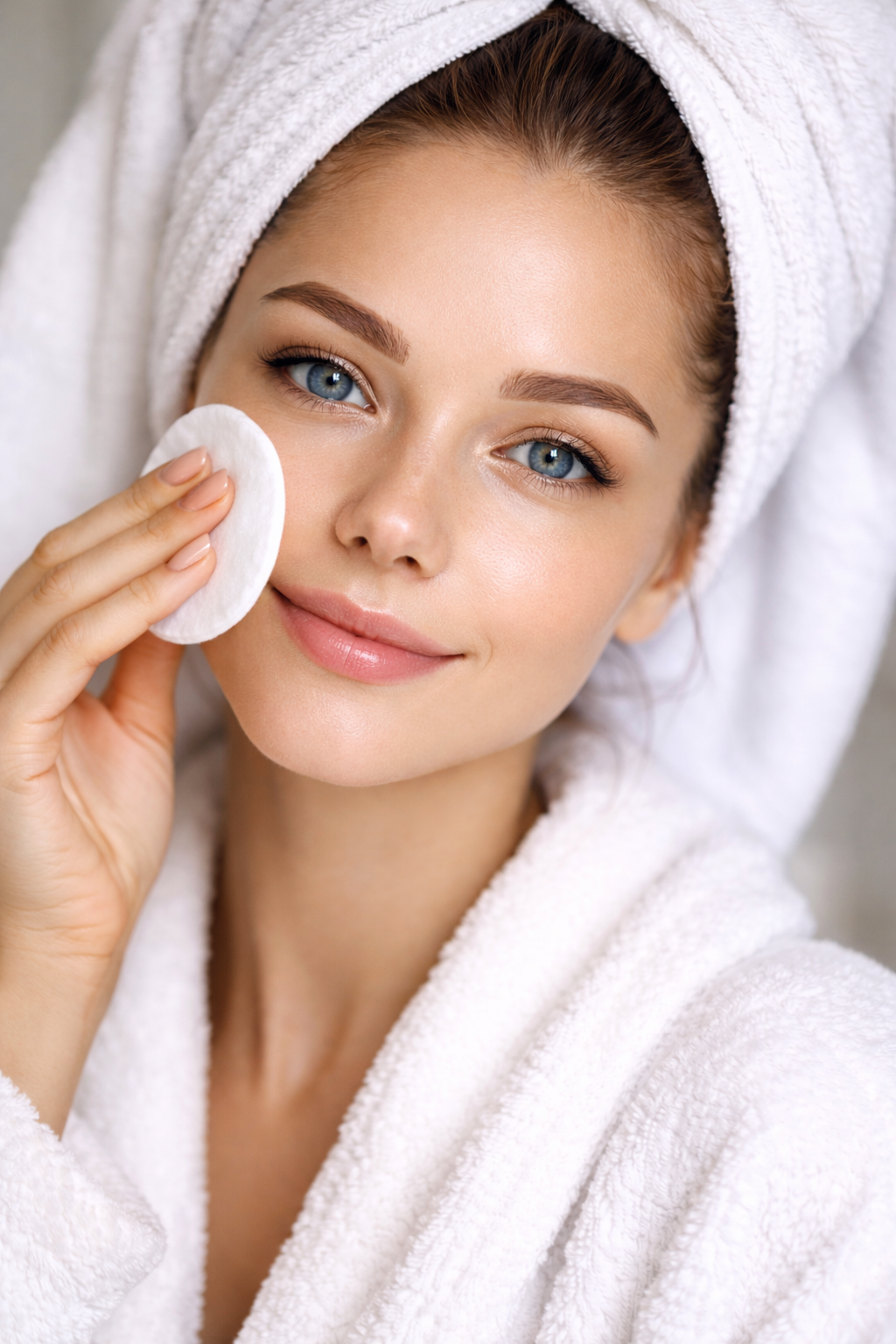
- use micellar water
- wipe your face with a gentle product
This is still better than going to bed with makeup.

4. Wrong Choice of Cleansing Product
A common mistake is choosing a product "because it's popular" or "it worked for my friend."
Examples:
- aggressive gel for dry skin
- thick milk for oily and problematic skin
- universal products "for all skin types"
The result is almost always the same — imbalance.
A cleansing product should support the skin, not fight it.
5. No Care After Cleansing
Some think:
"I washed my face — my skin can breathe, I won't apply anything."
But after cleansing, the skin:
- loses moisture
- becomes vulnerable
- ages faster
Even oily skin needs hydration. Otherwise, it will start compensating for the lack of moisture by producing more sebum.

Conclusion
Cleansing is not "the stronger, the better."
It's a gentle, regular, and thoughtful step on which everything else depends: skin condition, effectiveness of care, and even makeup.
If you remove at least these 5 mistakes, your skin will thank you very quickly — without expensive procedures and endless jars.