Important: This article is for informational purposes only and summarizes recent clinical research in dermatology. Always consult a physician before starting new dietary supplements or modifying your skincare regimen.
The average person spends between 6 and 10 hours a day facing digital screens (smartphones, tablets, and laptops). While we have long been concerned with eye strain, dermatologists have sounded a new alarm: High-Energy Visible (HEV) blue light penetrates skin deeper than ultraviolet radiation, accelerating digital aging.
In this article, we will examine the biological pathways of blue light skin damage and explore how the potent carotenoid Lutein serves as a natural blue light filter to neutralize oxidative stress.
1. Blue Light (HEV): An Invisible Threat Deep in the Dermis
The light spectrum consists of multiple wavelengths. High-Energy Visible (HEV, or digital blue light) blue-violet light occupies the 400 to 500 nm range. While UVB rays (the wavelength responsible for surface sunburns) and UVA rays (which penetrate deeper to cause skin aging) damage skin cells, digital blue light penetrates even deeper into the dermis, where structural collagen and blood vessels reside.

The main consequences of continuous blue light exposure include:
- Mitochondrial Oxidative Stress: Blue light generates reactive oxygen species (free radicals) directly within the cell's energy centers — the mitochondria.
- Activation of Collagen-Degrading Enzymes: Free radicals activate matrix metalloproteinases (enzymes that break down structural collagen and elastin), leading to premature sagging.
- Opsin-3 Pigmentation: Human pigment-producing cells (melanocytes) possess light-sensitive opsin-3 receptors. When stimulated by blue light, they trigger excess melanin synthesis, promoting stubborn age spots and worsening melasma.
2. Quantifying Screen Radiation
Many believe that screen-emitted blue light is too weak to cause damage. However, cumulative exposure from daily device usage at close proximity is equivalent to spending time under intense sunlight without protection.

Screen-induced oxidative stress slowly degrades the skin's lipid barrier, making the epidermis more sensitive, reactive, and prone to inflammation.
3. Lutein: The Internal and External Blue Light Filter
Lutein is a natural carotenoid pigment synthesized by plants. Well-known for protecting the eye's retina against blue light, the same defensive mechanism operates in skin cells.
The primary commercial source of pure lutein is marigold flowers (Tagetes erecta), which yield highly concentrated carotenoids.

How lutein shields skin cells:
- Light Absorption: Lutein's absorption spectrum overlaps the 400–500 nm blue light range. It absorbs blue light photons, preventing them from penetrating deeper into the cells.
- ROS Scavenging: As a strong antioxidant, lutein neutralizes free radicals and prevents oxidative damage in cell membranes.
Clinical Validation
In a double-blind, placebo-controlled clinical trial published in PMC5063591, researchers evaluated the effects of daily oral supplementation with 10 mg of lutein and 2 mg of zeaxanthin. After 12 weeks, the treatment group showed:
- Significant improvements in overall skin tone and luminance.
- Increased skin elasticity.
- A rise in the minimal erythemal dose (the amount of UV exposure required to cause skin redness), indicating enhanced photoprotective capacity of skin cells.
4. How to Shield Your Skin from Digital Photoaging
Preventing digital aging requires a combined approach that pairs topical skincare with systemic antioxidant support.
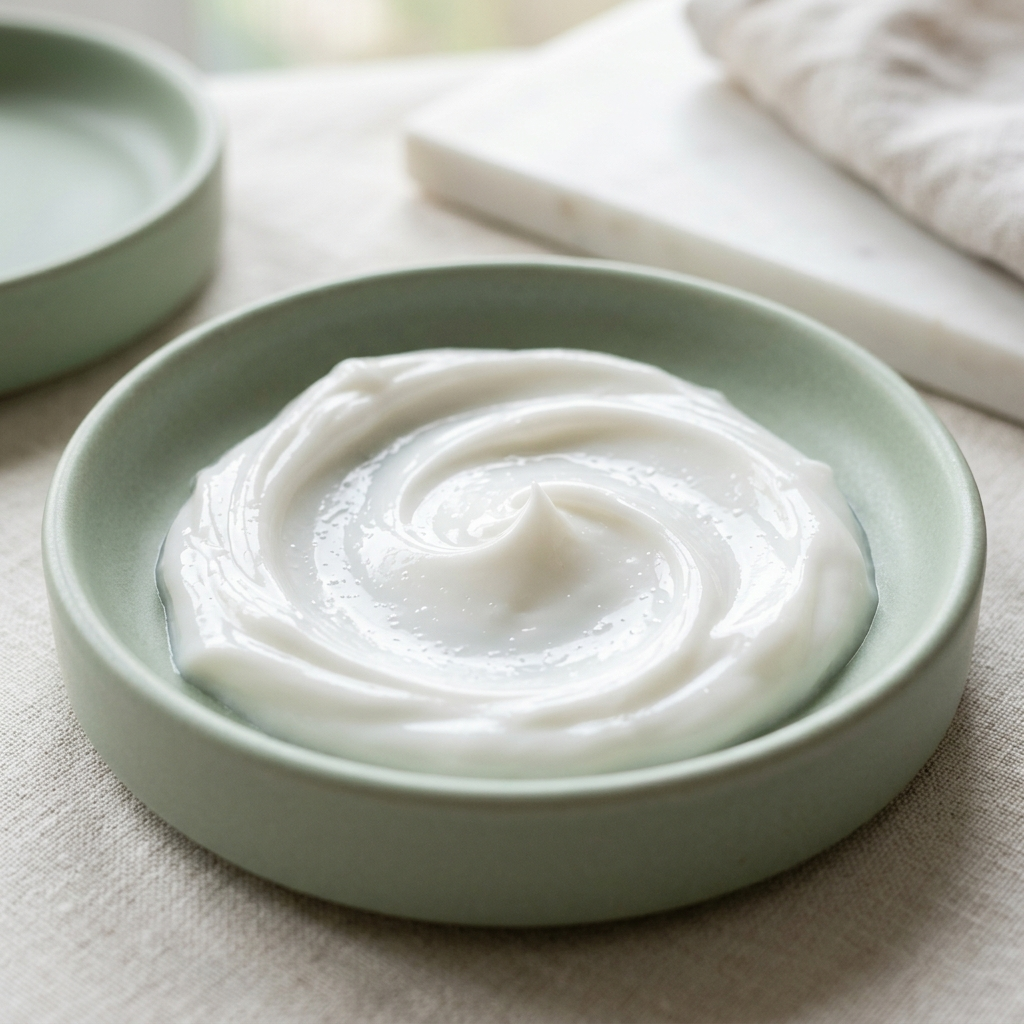
Step 1. Topical Defense (Cosmetics)
Standard chemical UV filters do not block visible blue light. To shield your skin topically, use:
- Physical Sunscreens: Micronized zinc oxide and titanium dioxide (physical mineral blockers) physically reflect and scatter blue light waves.
- Carotenoid-Infused Formulas: Serums containing lutein, rosehip oil, sea buckthorn oil, or carrot seed extract create a protective antioxidant shield.
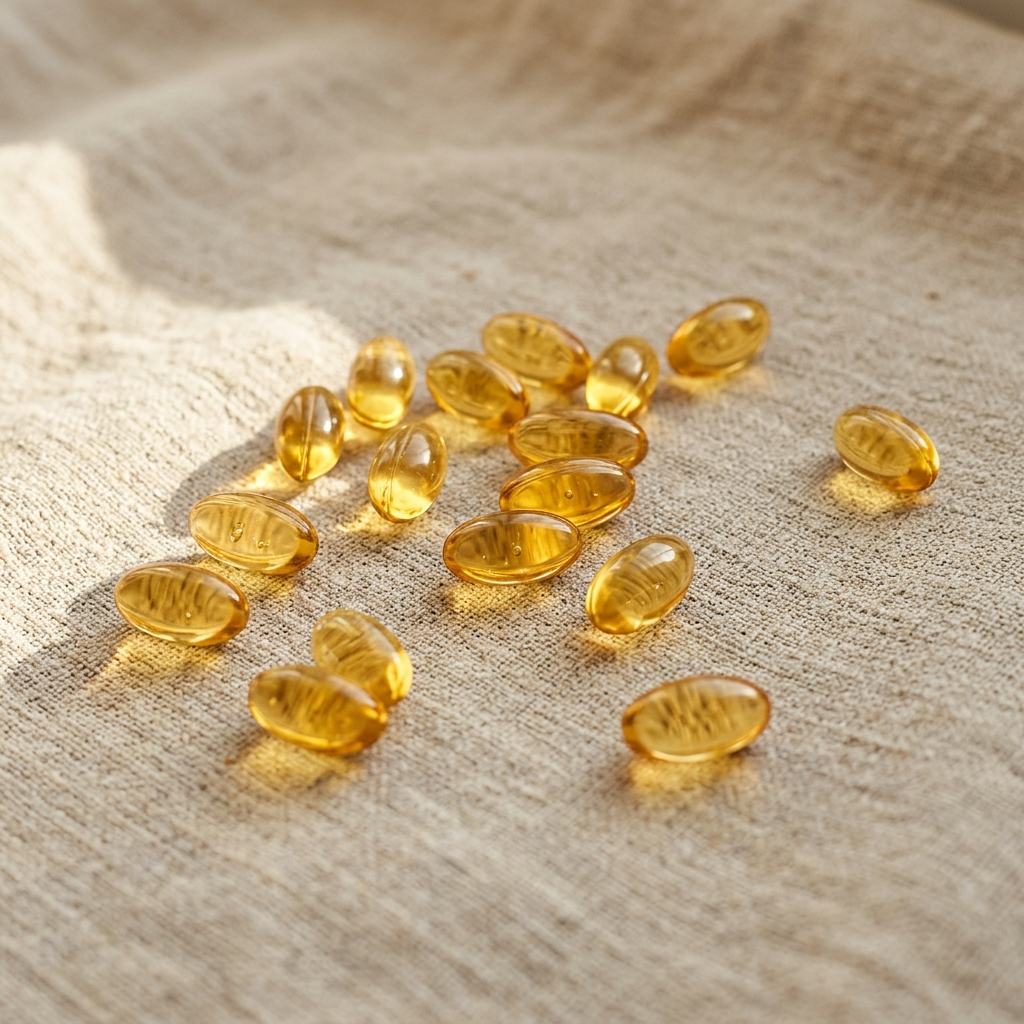
Step 2. Systemic Defense (Diet & Supplements)
Since the human body cannot synthesize lutein, we must obtain it through external sources.
- Dietary Sources: Increase your intake of dark leafy greens (spinach, kale), broccoli, pumpkin, orange peppers, and egg yolks.
- Supplements: A daily dose of 10 mg of lutein helps saturate epidermal layers, building a strong internal shield.
By combining lutein-rich foods and physical sunscreens with active carotenoids, you can defend your skin's collagen matrix, retaining elasticity and radiance in the digital era.