
Biohacking is often marketed as a shelf full of exotic supplements, $1,000 biomarker panels, infrared beds, and trendy cold plunges that claim to "hack" aging in weeks.
Strip away the Silicon Valley hype, and the scientific literature tells a completely different story.
The most powerful longevity interventions aren't rare compounds. They are foundational levers that target the root causes of premature death: cardiovascular disease, metabolic dysfunction, cancer, neurodegeneration, and sarcopenia (loss of muscle mass).
The true goal of modern longevity isn't just surviving to 95 — it's optimizing Healthspan: staying strong, sharp, independent, and full of energy for decades.
Here are the 10 evidence-based longevity strategies, ranked from rock-solid clinical foundations to emerging science.
1. Do Not Smoke: The Most Potent Biohack in History

If a pharmaceutical company invented a pill that gave you back up to 10 years of healthy life, it would be the biggest blockbuster in history. That intervention already exists: quitting smoking entirely (including vapes and heated tobacco products).
Smoking accelerates vascular stiffness, triggers systemic inflammation, and skyrockets your risk of stroke, heart attack, COPD, and dozens of cancers.
The benefits kick in surprisingly fast: within just a few years of quitting, your vascular risk drops dramatically and cellular repair begins.
Level of Evidence: ⭐⭐⭐⭐⭐ (Highest). This isn't speculative gerontology; it's proven clinical medicine.
2. Strength Training & Muscle Mass Preservation
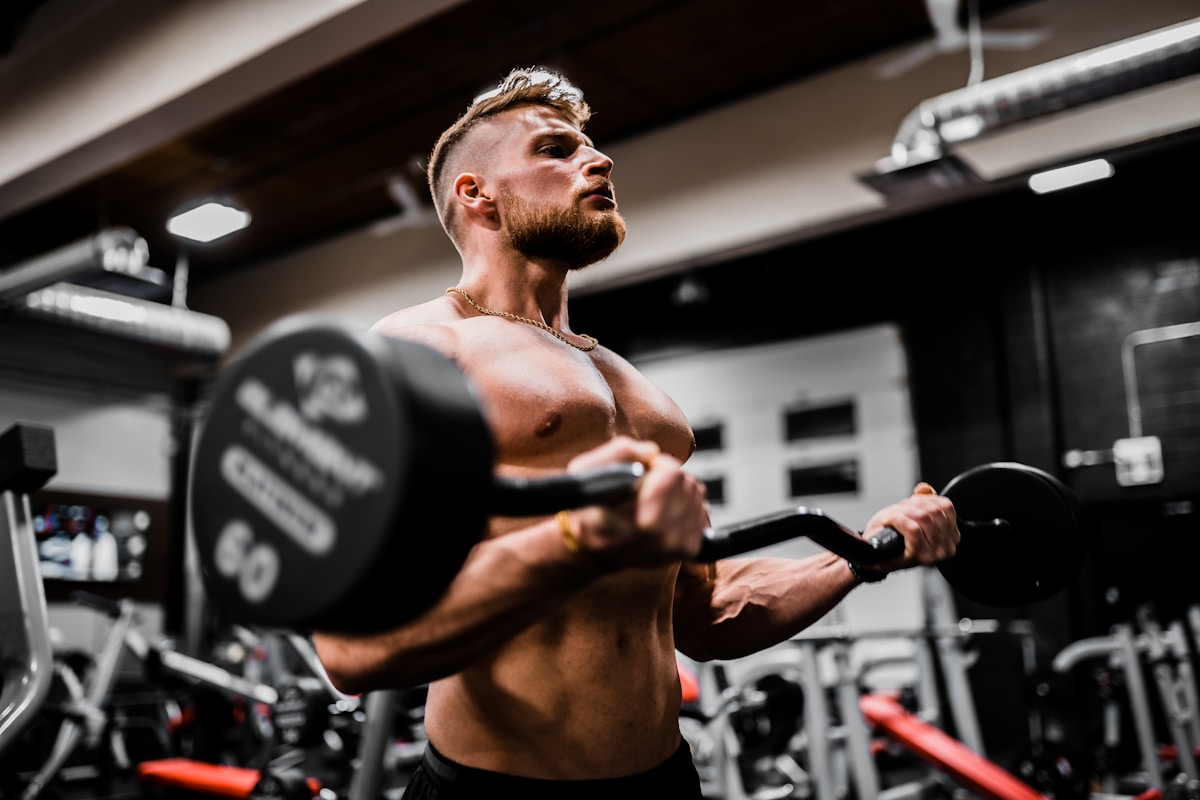
After age 30, we naturally lose roughly 1–2% of our muscle mass and strength per year — a condition known as sarcopenia. It is the primary cause of mobility loss, frail bones, and fatal falls in later life.
Muscle is not just for mirror aesthetics; it is your primary metabolic organ and biological reserve:
- Skeletal muscle absorbs up to 70–80% of post-meal blood glucose, protecting you from insulin resistance.
- Contracting muscles secrete anti-inflammatory signaling proteins called myokines.
- Muscle load stimulates bone mineral density, warding off osteoporosis.
The World Health Organization (WHO) recommends at least 2 full-body resistance training sessions per week. For longevity, you don't need to break powerlifting records — you need functional strength that lasts for decades.
3. Zone 2 Cardio & Daily Non-Exercise Movement

Cardiorespiratory fitness (measured by VO2 max) is one of the strongest independent predictors of all-cause mortality.
The standard longevity target:
- 150–300 minutes of moderate aerobic activity weekly (brisk walking, cycling, light jogging, swimming)
- or 75–150 minutes of vigorous intensity cardio (HIIT, tempo runs).
Equally vital is your Non-Exercise Activity Thermogenesis (NEAT): simply sitting less. Replacing 1–2 hours of sedentary time each day with walking or a standing desk significantly improves your lipid profile and insulin sensitivity.
The Longevity Movement Formula: 2–3 strength sessions + 150 mins of Zone 2 cardio + 7,000–10,000 daily steps.
4. Track Your Blood Pressure: The $30 Lifesaver

Hypertension is called the "silent killer" for a reason. Blood vessels, kidneys, retinas, and delicate brain capillaries can silently degrade for years under excessive pressure without causing a single headache.
Hypertension is a primary cause of stroke, vascular dementia, and heart failure. The USPSTF (US Preventive Services Task Force) strongly recommends regular blood pressure screening outside of clinical offices to avoid "white coat hypertension."
A quality home digital blood pressure monitor is one of the cheapest and most effective longevity tools in existence.
Longevity Target: Resting blood pressure consistently below 120/80 mmHg.
5. Optimize Metabolic Health & Visceral Fat

Longevity is not about chasing the lowest possible number on the scale. Someone with a "normal" BMI who lacks muscle and carries excess abdominal fat ("skinny fat") faces significant metabolic risk.
The real danger is visceral adipose tissue packed around internal organs. It continuously pumps out inflammatory cytokines, induces insulin resistance, and damages blood vessels.
Key metrics to track:
- Waist Circumference: Under 37 in (94 cm) for men, under 31.5 in (80 cm) for women.
- Waist-to-Height Ratio (WHtR): Below 0.5.
- Fasting Glucose & HbA1c: Keep your HbA1c consistently below 5.6–5.7%.
6. The Mediterranean Dietary Pattern

There is no single "immortality diet," but the Mediterranean dietary pattern has by far the strongest clinical backing, supported by landmark trials like PREDIMED.
The pillars:
- Abundant vegetables, dark leafy greens, berries, and whole fruits;
- Legumes (lentils, chickpeas, beans);
- Whole grains and seeds;
- Nuts and extra-virgin olive oil (rich in polyphenols and monounsaturated fats);
- Fatty fish 2–3 times a week (wild salmon, sardines, mackerel for EPA/DHA omega-3s);
- Minimal ultra-processed foods, refined seed oils, and processed meats.
7. Sleep: The Ultimate Cellular Clean-Up Protocol

You can take 20 supplements a day, but if you consistently sleep 5 hours a night, your body remains in chronic cellular distress.
The American Heart Association (AHA) officially added sleep duration to its Life's Essential 8 metrics for cardiovascular health.
The target: 7–9 hours of restorative sleep every night.
Core sleep hygiene habits:
- Strict sleep timing (wake and sleep within a 30-minute window every day);
- Dark, quiet, and cool bedroom (64–68°F / 18–20°C);
- No heavy meals or alcohol within 3 hours of bed;
- Rule out sleep apnea (if you snore chronically or wake up fatigued, get a sleep study instead of buying melatonin gummies).
8. Caloric Moderation Without Malnutrition
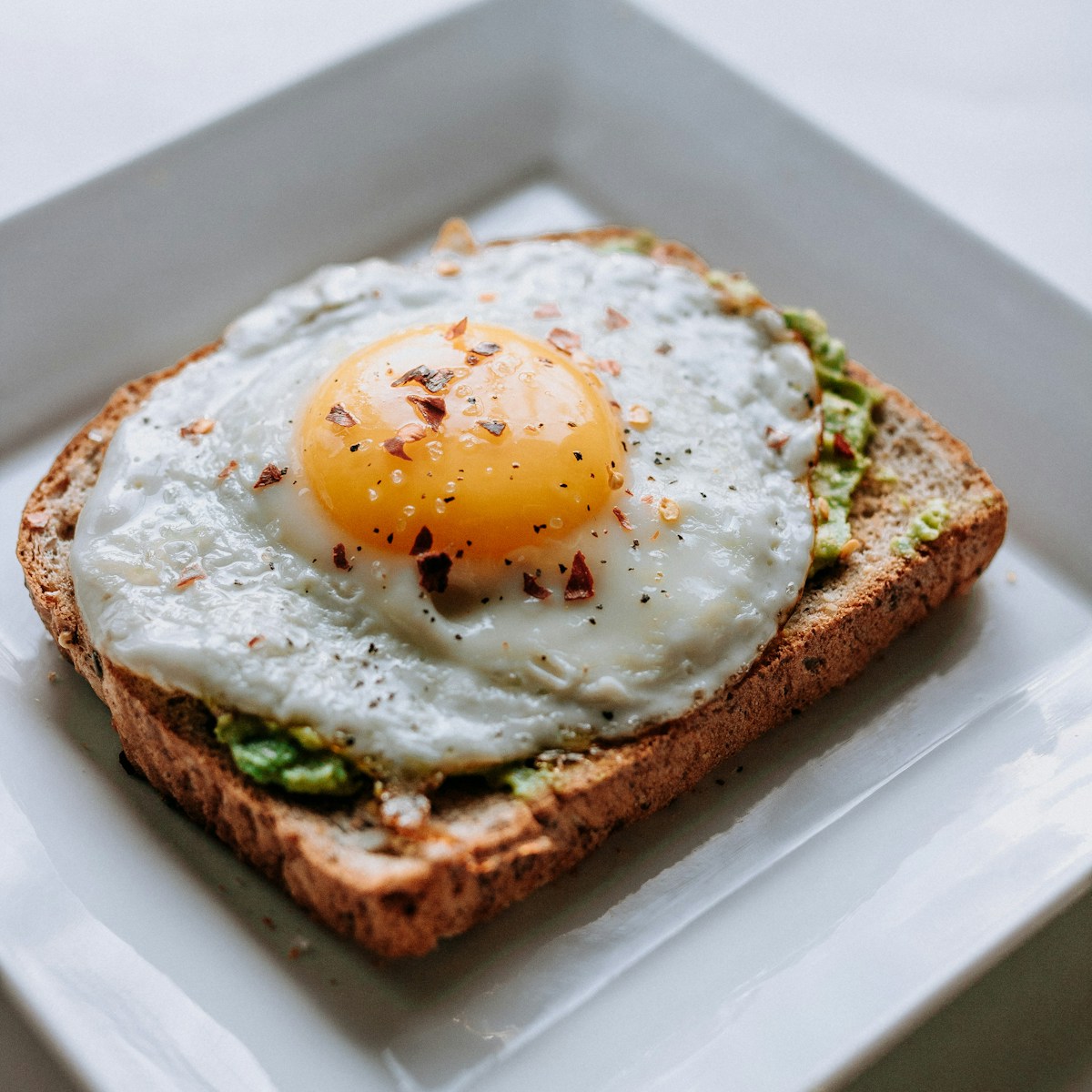
Caloric restriction extends lifespan across many species in laboratory settings. But does that mean humans should constantly starve themselves?
In the landmark CALERIE study, non-obese healthy humans maintained a ~25% calorie deficit for two years. Researchers noted a modest slowing in the DunedinPACE biological aging clock, but other epigenetic clocks showed mixed results.
The Takeaway: Eating until 80% full (Hara Hachi Bu) and avoiding chronic overeating is excellent. But extreme prolonged fasting often causes muscle wasting, bone loss, and hormonal disruption.
9. Preventive Biomarker Screenings

True medical biohacking is identifying silent risk factors decades before symptoms appear:
- Advanced Lipids: Don't just check Total Cholesterol; test ApoB and LDL-P (the true particle count driving arterial plaque).
- Metabolism: Fasting insulin, HOMA-IR, and HbA1c.
- Inflammation: High-sensitivity C-reactive protein (hs-CRP).
- Organ Function: Comprehensive metabolic panel, eGFR, liver enzymes (ALT/AST).
- Age-Appropriate Cancer Screenings: Colonoscopy (starting at 45), mammograms, and regular full-body dermatological skin checks.
Catching elevated ApoB or early hypertension at age 35 saves lives at age 65.
10. Social Connections & Cognitive Vitality

Humans are wired for tribe. Chronic loneliness and social isolation are as toxic to your physiology as smoking 15 cigarettes a day.
A meta-analysis of 90 prospective studies covering over 2.2 million individuals found that social isolation was associated with a 32% higher risk of all-cause mortality (RR = 1.32).
Strong friendships, deep family bonds, meaningful purpose, learning new skills (instruments, languages), and continuous cognitive stimulation promote neuroplasticity and protect against cognitive decline.
What About NMN, Resveratrol, Peptides & Rapamycin?
The wellness industry is buzzing with promises: NAD+ boosters, NMN, metformin for healthy adults, peptide injections, senolytics, and young plasma transfusions.
It's vital to distinguish between two completely different statements:
- "This compound improved a biomarker in cell cultures or mice."
- "This compound safely extends human healthspan in randomized clinical trials."
Most of these molecules are still in early experimental phases. Taking handfuls of unverified supplements risks liver strain and unknown interactions.
The Longevity Hierarchy of Evidence
| Tier | Status | Included Interventions |
|---|---|---|
| 🟢 Tier 1: Proven Foundation | High-quality RCTs, meta-analyses, and clinical guidelines | Non-smoking, Resistance training, Zone 2 cardio, BP < 120/80, Mediterranean diet, 7–9h sleep, preventive screening |
| 🟡 Tier 2: Promising Habits | Good mechanistic data, active human studies | Caloric moderation, sauna / heat therapy, time-restricted eating, targeted Omega-3 & Vitamin D |
| 🔴 Tier 3: Experimental Zone | Laboratory models, unproven human longevity | Off-label Rapamycin, Senolytics, NMN/NAD+ IVs, unprescribed peptide protocols |
Top 5 Longevity Myths Debunked
1. Myth: "The more supplements you take, the younger your body stays"
Reality: False. Supplements cannot replace sleep, nutrition, or exercise. An excess of antioxidant mega-doses can actually blunt natural cellular adaptations and strain the liver.
2. Myth: "You must engage in extreme prolonged fasts"
Reality: False. Aggressive multi-day fasting strips away precious lean muscle mass and lowers bone mineral density.
3. Myth: "A single blood test tells your exact biological age"
Reality: Epigenetic clocks are fascinating research tools, but no direct-to-consumer test currently offers 100% prognostic accuracy for an individual.
4. Myth: "All oxidative stress is inherently evil"
Reality: False. Exercise-induced reactive oxygen species (ROS) are essential signaling molecules required for muscular hypertrophy and mitochondrial adaptation.
5. Myth: "You must constantly biohack and optimize everything"
Reality: Obsessively monitoring every biomarker breeds chronic stress, orthorexia, and anxiety — the exact opposite of longevity.
The Bottom Line
Real biohacking isn't about how many bottles sit on your nightstand. It's about systematically managing proven risk factors to stay strong and functional for as long as possible.
The blueprint for a long, vibrant life is straightforward:
Don't smoke → Lift weights → Move every day → Keep blood pressure and waistline in check → Eat real whole foods → Sleep 8 hours → Build meaningful connections.
Master the proven foundation first — then explore the frontier.