Clothing is far more than an aesthetic silhouette, a visual language, or a statement of personal taste. From the perspective of modern cutaneous biology and molecular biophysics, fabric represents our primary ecological habitat—a secondary skin layer in intimate, continuous dialogue with trillions of resident microorganisms.
In 2026, the intersection of high fashion and dermatology reached a transformative milestone: skincare has expanded beyond topical serums and barrier creams. Landmark clinical trials from leading dermatological institutes confirm that the textiles in direct contact with our bodies for 14 to 16 hours daily directly dictate whether our skin barrier thrives in equilibrium or suffers from chronic dysbiosis, micro-inflammation, and premature cellular aging.
1. The Skin-Textile Axis: An Invisible Ecological Dialogue
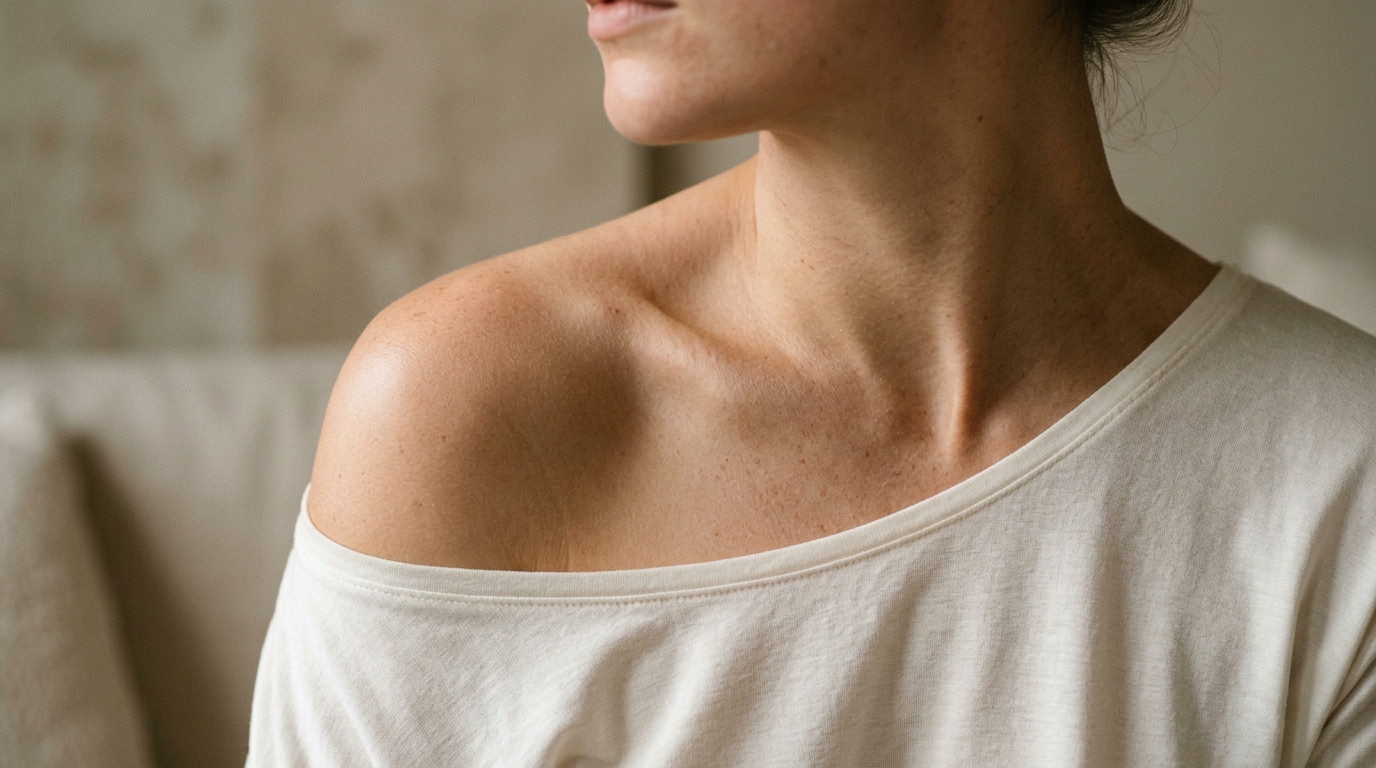
Human skin continuously secretes sebum, eccrine perspiration, mineral electrolytes, and epidermal lipids. Under healthy physiological conditions, beneficial commensal bacteria—principally Staphylococcus epidermidis—break down these biological secretions into short-chain fatty acids (SCFAs), preserving an optimal acidic cutaneous mantle between pH 4.7 and 5.5. This fragile acid shield serves as the skin's frontline defense against environmental pathogens, transepidermal dehydration, and free-radical cascades.
When textile fibers press against the epidermal surface, an immediate dynamic transfer of microbes occurs. Fabric does not function as an inert physical shield; it operates as an active biological incubator:
- Porosity and Vapor Permeability: Dictates whether perspiration evaporates naturally or condenses into a stagnant, warm, anaerobic moisture trap.
- Polymer Chemistry and Surface Charge: Hydrophobic synthetic polymers selectively attract specific opportunistic microbial strains through electrostatic forces and surface tension.
- Chemical Finishes: Nanoparticle coatings, synthetic fixatives, and petroleum dyes can exert direct cytotoxic effects on beneficial resident flora.
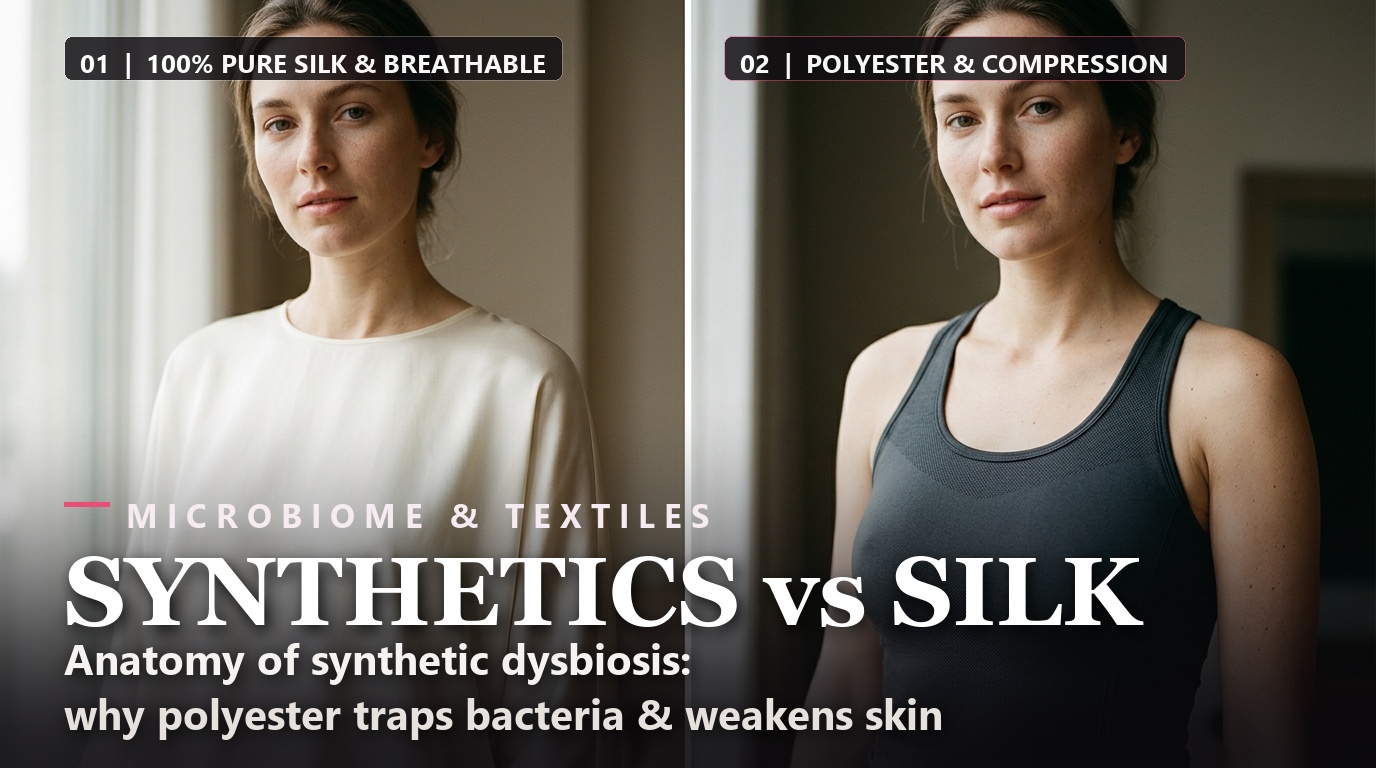
2. Synthetic Dysbiosis: The Biochemical Anatomy of Polyester Odor
In a landmark study published by Ghent University researchers led by Dr. Chris Callewaert (PMID: 25128346, PMCID: PMC4249026), scientists evaluated the differential microbial colonization of polyester versus cotton garments following intensive workouts.
The findings revealed that fiber selection fundamentally reprograms the dermal microbial ecosystem:
| Textile Metric | Pure Natural Fibers (Silk, Linen, Organic Cotton) | Synthetic Polymers (Polyester, Polyamide/Nylon) |
|---|---|---|
| Dominant Microbial Profile | Staphylococcus epidermidis (protective commensals) | Micrococcus and Corynebacterium |
| Moisture Interaction | Absorption into fiber core with regulated evaporation | Trapping sweat in microscopic thread interstices |
| Volatile Compound Profile | Neutral, gentle biological breakdown | Rapid generation of volatile sulfur compounds (VSCs) and thiols |
| Cutaneous pH Impact | Preserves physiological acidic pH 4.8–5.2 | Elevates local pH toward alkaline, weakening barrier lipids |
| Dermatological Risk | Minimal friction, hypoallergenic | High (sweat occlusion, mechanical friction, folliculitis) |
Hydrophobic polyester filaments act as a magnet for Micrococci. These bacteria aggressively metabolize sweat lipids and amino acids into pungent volatile organic compounds, including 3-methyl-2-hexenoic acid and thioalcohols—the notorious chemical signatures of persistent workout garment odor. Because petrochemical fibers trap these volatile compounds within their polymer matrix, standard cold laundering fails to sterilize them, turning synthetic activewear into persistent bacterial reservoirs.
3. The Nanosilver Paradox: The Hidden Toxicity of Biocide Finishes
In an attempt to combat synthetic odor, apparel manufacturers have turned to treating textiles with silver nanoparticles (AgNPs), triclosan, and quaternary ammonium biocides, marketing them under misleading "24/7 antibacterial fresh" claims.
However, comprehensive toxicological and dermatological reviews (PMID: 41155883, PMID: 39639924) have exposed severe risks associated with antimicrobial apparel:
- Non-Selective Commensal Depletion: Silver nanoparticles possess zero cellular discretion. They eradicate beneficial Staphylococcus epidermidis alongside odor-producing microbes, leaving the skin barrier defenseless against opportunistic pathogens.
- Transdermal Metal Leaching: Under physical friction and acidic perspiration, toxic silver ions continuously detach from textile fibers, penetrating the stratum corneum and triggering cellular oxidative stress in keratinocytes and fibroblasts.
- Antimicrobial Resistance Induction: Prolonged cutaneous contact with low-dose biocidal finishes promotes the proliferation of drug-resistant microbial mutations.
Dermatological Consensus: Artificially biocide-treated fabrics compromise natural cutaneous defense systems. A truly healthy garment does not sterilize human skin; it creates optimal breathable conditions for the microbiome to regulate itself.
4. 2026 Bioactive Smart Textiles: Fabrics That Nourish the Skin
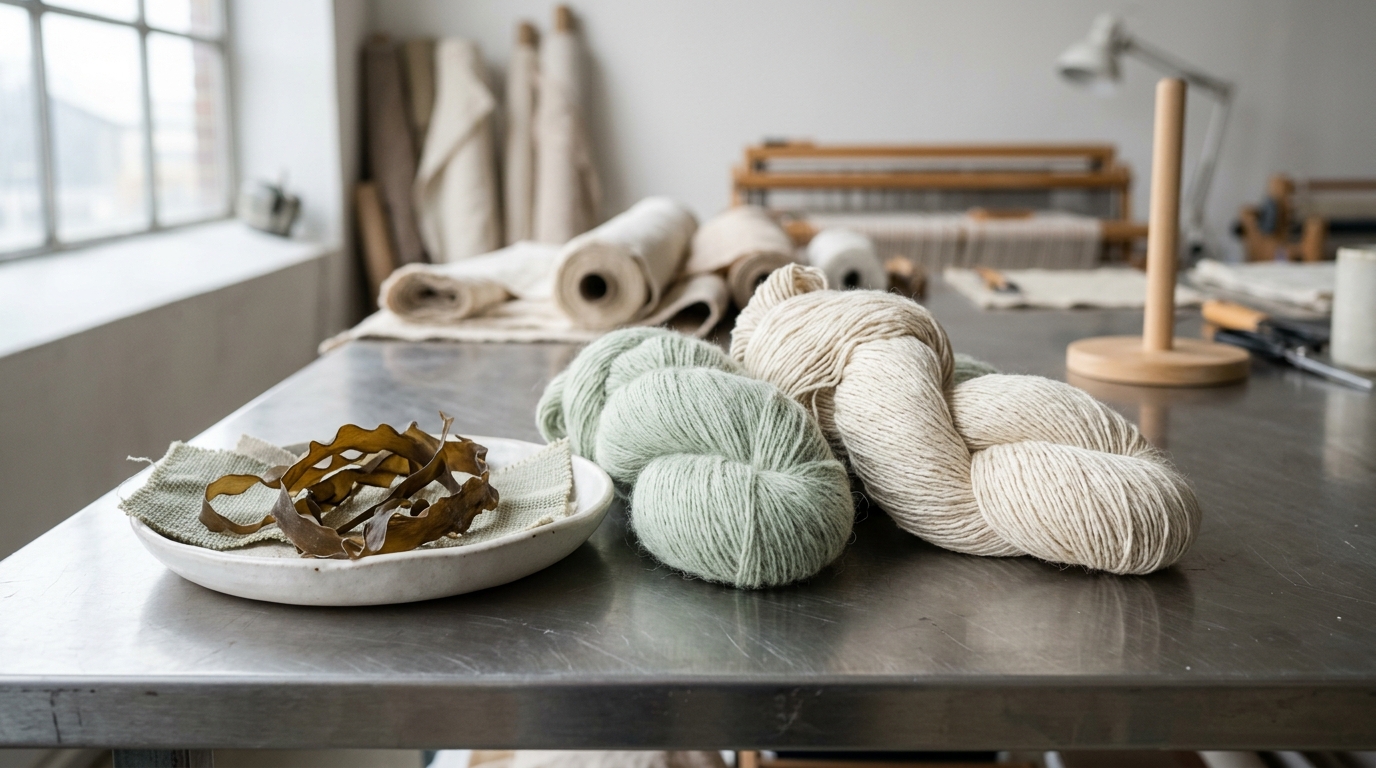
In response to the synthetic crisis, fashion is experiencing a profound biotechnological renaissance. Across Paris and Milan runways in 2026, leading luxury maisons and bio-textile laboratories are pioneering prebiotic and bioactive fibers engineered in strict synergy with dermatology:
1. SeaCell™ (Brown Marine Algae Fibers)
A patented cellulosic technology integrating certified sustainably harvested Ascophyllum nodosum seaweeds from Icelandic fjords directly into closed-loop lyocell matrices. These marine alginates are rich in calcium, magnesium, trace minerals, and natural antioxidants. When exposed to skin humidity, active ions gently release, combating cutaneous free radicals and alleviating pruritus in atopic individuals.
2. Smartcel™ Sensitive (Medical-Grade Zinc Oxide Lyocell)
Pioneered in clinical dermatological trials (PMID: 23696710), this fiber embeds pharmaceutical-grade zinc oxide (Ph. Eur.) permanently into wood cellulose. Research demonstrates:
- Potent antioxidant regeneration and stratum corneum lipid support.
- Natural selective bacteriostatic protection against Staphylococcus aureus without harming commensal flora.
- Clinically significant reductions in eczema severity and dramatic improvements in sleep comfort among patients with atopic dermatitis.
3. Bio-Identical Mulberry Silk Peptides
Pure Mulberry silk is composed of 97% bioactive protein filaments—primarily fibroin and sericin. Sericin contains 18 fundamental amino acids that closely mirror the skin's Natural Moisturizing Factor (NMF). Unlike drying cotton or suffocating polyester, silk preserves essential surface lipids, preventing overnight dehydration and eliminating sleep wrinkles.
5. The Microbiome Textile Care Protocol: 5 Golden Rules
To transform your wardrobe into an active ally for skin radiance and barrier resilience, dermatologists recommend this science-backed care protocol:
- The "Zero Synthetic Base Layer" Mandate: Intimate apparel, sleepwear, and foundational tees must consist of 100% natural or bioactive fibers (Mulberry silk, Tencel lyocell, modal, unbleached organic cotton). Confine polyester to outer shell garments (Tier 3 outerwear).
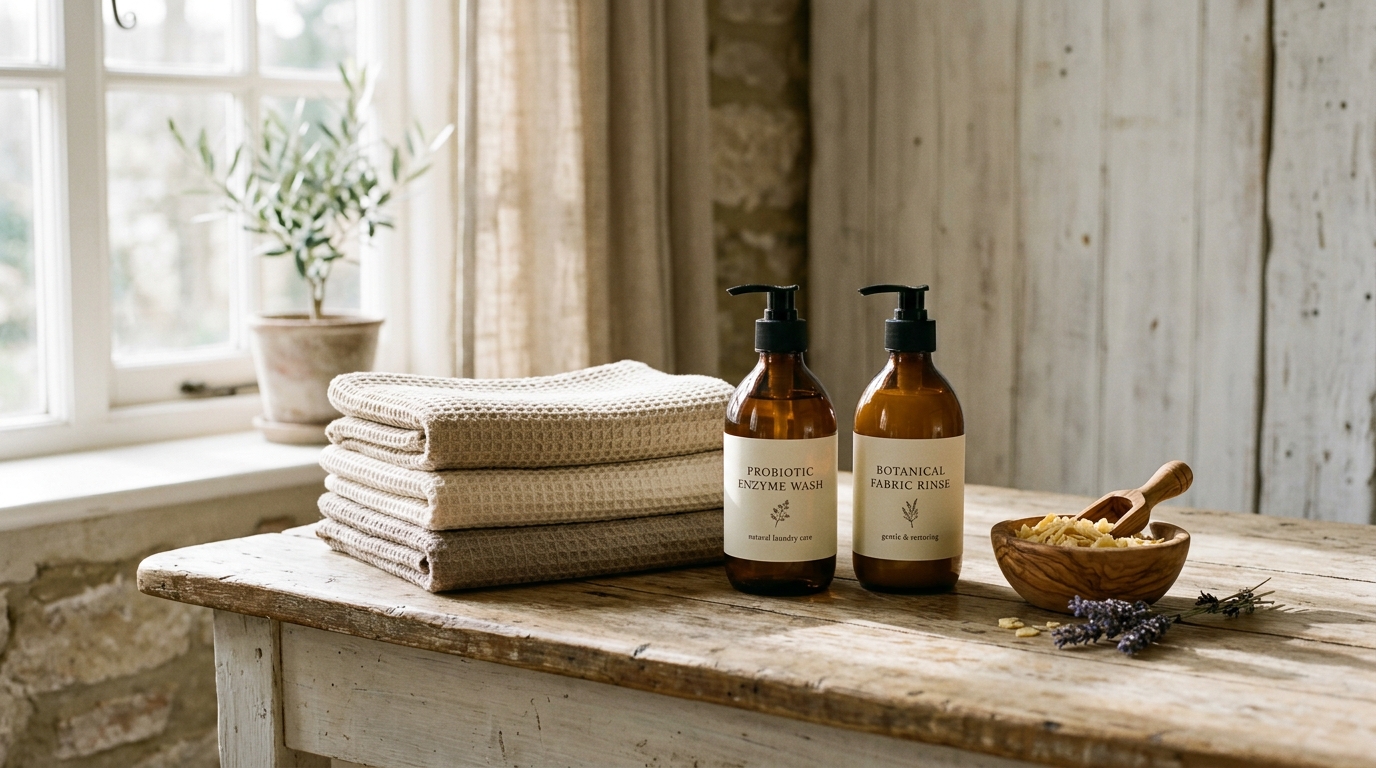
- Eliminate Cationic Fabric Softeners: Conventional laundry conditioners coat fibers in a persistent hydrophobic sheath of quaternary ammonium compounds and synthetic musks. This plasticizes natural fibers, turning breathable linen and cotton into occlusive barriers.
- Utilize Plant Enzyme Detergents at 86°F–104°F (30°C–40°C): Choose fragrance-free formulas with active bio-enzymes (protease, lipase). These break down body oils and sweat proteins at low temperatures without degrading delicate natural fibers.
- Acidic Rinse Cycle Balancing: Add 1 to 2 tablespoons (15–30 ml) of organic white vinegar to the rinse dispenser. The mild acetic acid neutralizes alkaline detergent residues, restoring fabrics to the skin's natural acidic pH of 5.0.
- The 15-Minute Activewear Rule: Following cardiovascular exercise or heavy perspiration, remove damp synthetic workout gear within 15 minutes. Shower promptly and dress in loose-fitting linen or organic cotton to prevent anaerobic follicular colonization.
6. The Biocompatible Capsule: Wardrobe Longevity & Skin Longevity
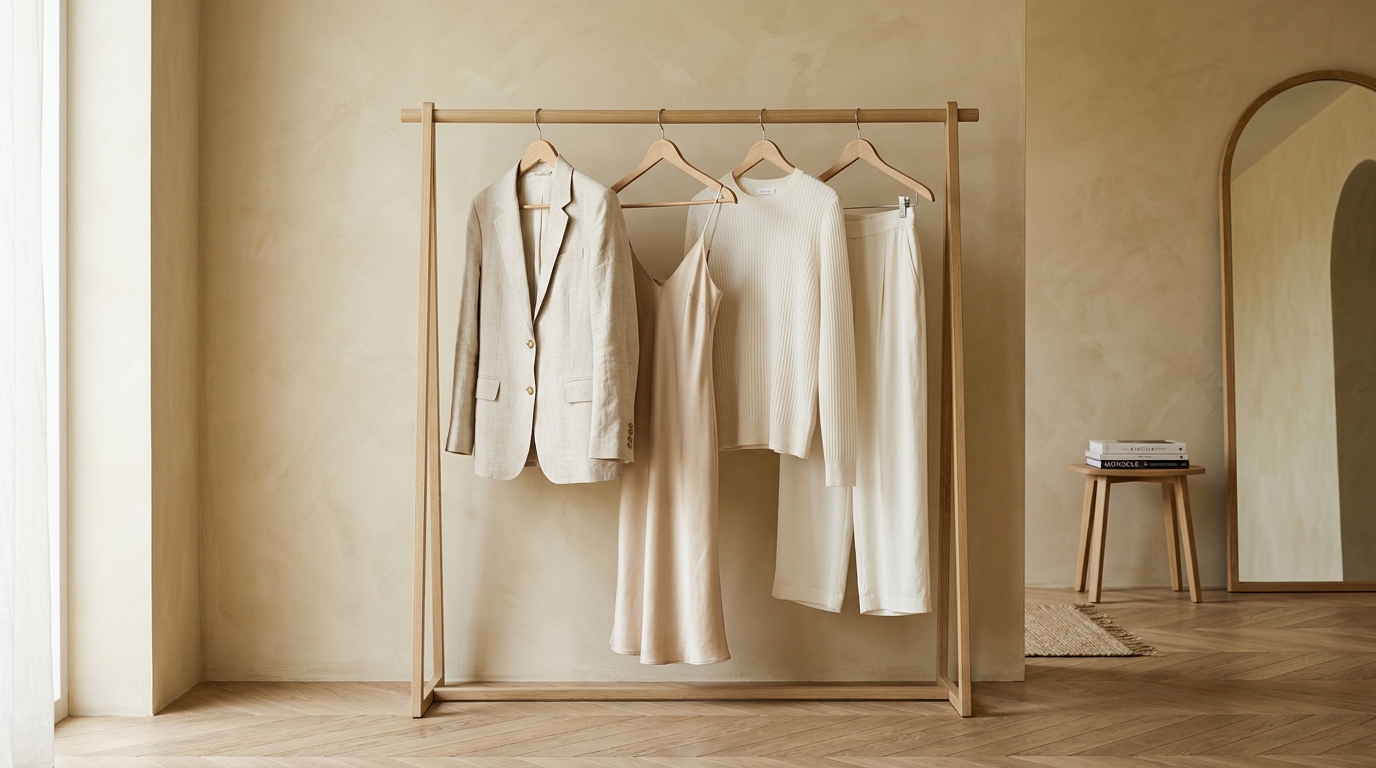
Curating a biocompatible wardrobe is not an ephemeral trend—it is a proven strategy for dermatological longevity. Clinical measurements indicate that eliminating synthetic friction and occlusion lowers transepidermal water loss (TEWL) by up to 28% while visibly calming inflammatory skin conditions within three weeks.
Foundational Biocompatible Wardrobe Architecture:
- Sleep Sanctuary: 100% pure Mulberry silk pillowcases (22-momme weight) or garment-washed European flax linen sheets at 4.7–5.3 oz/yd² (160–180 g/m²).
- Loungewear & Base Layers: Fluid eucalyptus lyocell (Tencel) separates or lightweight organic cotton modal blends.
- Tailoring & Workwear: Sandwashed silk crêpe-de-chine blouses, structured pure linen trousers, and virgin merino wool knitwear.
- Athletic & Movement Wear: Superfine merino wool active sets (around 5.3 oz/yd² or 180 g/m²) or organic cotton blends containing less than 5% elastane.
Summary
True quiet luxury in modern fashion is no longer defined by conspicuous logos or synthetic novelty. It is measured by fiber purity, craftsmanship, and biological synergy with the human body. By choosing garments woven from pure natural fibers and cutting-edge bioactive textiles, we restore the vital harmony between our skin and our environment—unlocking radiant dermatological health and timeless elegance at the cellular level.