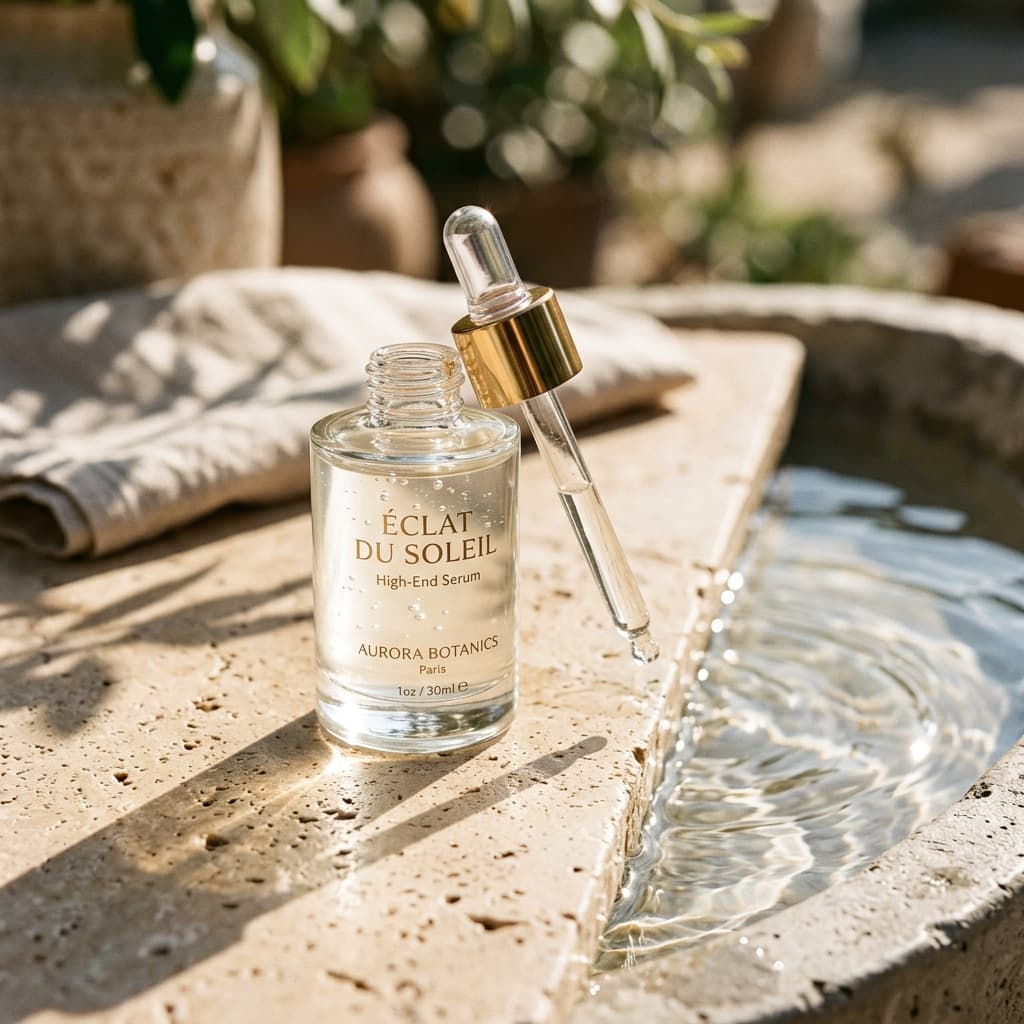
In recent years, the beauty industry has undergone a fundamental shift. We no longer mask flaws or simply try to "tighten" the skin. Modern cosmetology in 2026 is focused on skin biohacking and extending skin longevity at a cellular level.
Instead of aggressive resurfacing and endless hyaluronic acid injections, cellular messengers and molecules that repair DNA are taking the lead. The main heroes of this revolution are exosomes and PDRN (polynucleotides).
What is PDRN and How Does It Repair DNA?
PDRN (Polydeoxyribonucleotide) represents biologically active fragments of DNA, most commonly extracted from salmon trout sperm cells. Our immune system and skin cells recognize them not as foreign material, but as basic "building blocks" for cellular regeneration.
When the skin is damaged by UV radiation, stress, or natural aging, PDRN functions as a dedicated repair crew:
- Structural Repair: They identify breaks in the DNA chains of skin cells and assist in restoring their integrity.
- Neocollagenesis Activation: They stimulate the proliferation of fibroblasts—the cells responsible for producing collagen and elastin.
- Improved Microcirculation: They activate the synthesis of vascular endothelial growth factors, enhancing tissue nourishment.
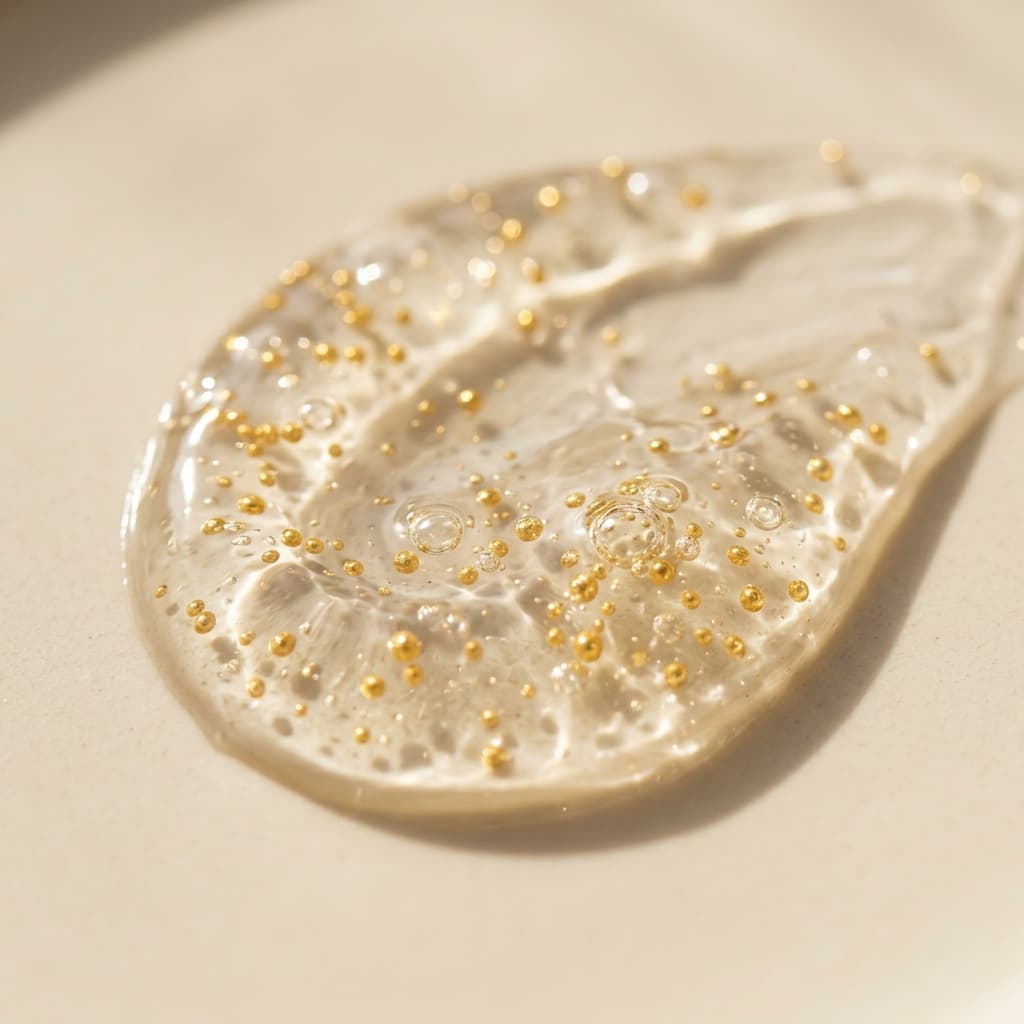
Fact: Unlike regular hyaluronic acid, which simply attracts water for temporary volume, PDRN reprograms damaged and aging cells, urging them to operate with youthful efficiency.
Nanotechnology in Action: Exosomes as Cellular Postmen
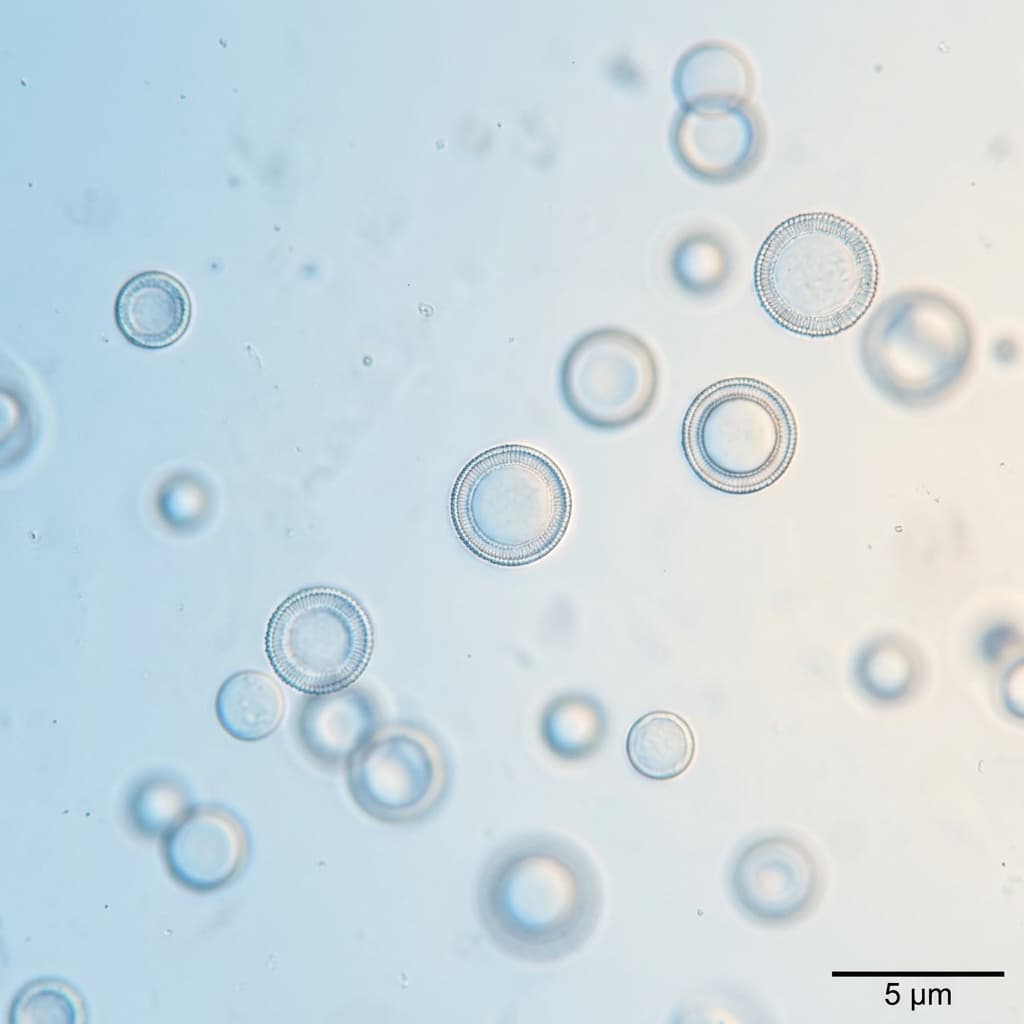
While PDRN provides the raw building material, exosomes act as the smart delivery system. These are microscopic extracellular vesicles (nanobubbles) that cells use to communicate with one another.
Exosomes contain a concentrated cocktail of growth factors, amino acids, lipids, and RNA. Due to their ultra-small size (1000 times smaller than a pore), they easily penetrate into the deep layers of the skin.
How it works in skincare:
- An exosome attaches to the receptors of a fatigued or inflamed cell.
- The cell absorbs the vesicle.
- The contents of the exosome signal the cell to start dividing, reduce inflammation, or begin protein synthesis.
Important: Exosomes in 2026 skincare are sourced from plant stem cells (such as Centella Asiatica) or through biotechnology. This makes them 100% safe, hypoallergenic, and ethical.
Clinical Breakthrough: Injections vs Topical Care
Previously, PDRN and exosomes were exclusively available in clinical settings through painful micro-injections. However, in 2026, the boundary between clinical treatments and home care has almost completely dissolved.

Today, serums and creams with encapsulated exosomes and stabilized polynucleotides have entered the market. Liposomal delivery systems protect these active molecules from degradation on the skin's surface, carrying them directly to the living cells of the epidermis.
Effects of home-use exosome and PDRN therapy:
- Instant reduction of redness after chemical peels, retinol, or laser treatments.
- Deep recovery of the skin barrier for conditions like rosacea and dermatitis.
- Brightening of the complexion and restoration of a healthy "glass skin" glow.
Metabolic Beauty and Skin Longevity: The Future of Integrated Care
True skin biohacking cannot be achieved without working from within. The rising trend of metabolic beauty connects the state of our skin with our overall metabolic rate, hormonal balance, and mitochondrial health.
To achieve maximum results, scientists recommend combining topical exosomes with targeted nutraceuticals:
- Collagen and Amino Acids: Provide the protein resources required to build new fibers.
- Antioxidants (Resveratrol, Coenzyme Q10): Protect cellular mitochondria from oxidative stress.
- Proper Hydration: Maintaining moisture in the extracellular matrix is crucial for vesicle transportation.

Conclusion
The exosome and PDRN revolution has initiated a new era in cosmetology. We no longer attempt to cheat biology with temporary wrinkle smoothing. We align biological processes at the molecular level, restoring the skin's natural capacity for self-repair.
Invest in your skin longevity wisely—choose products built on a verified scientific foundation.