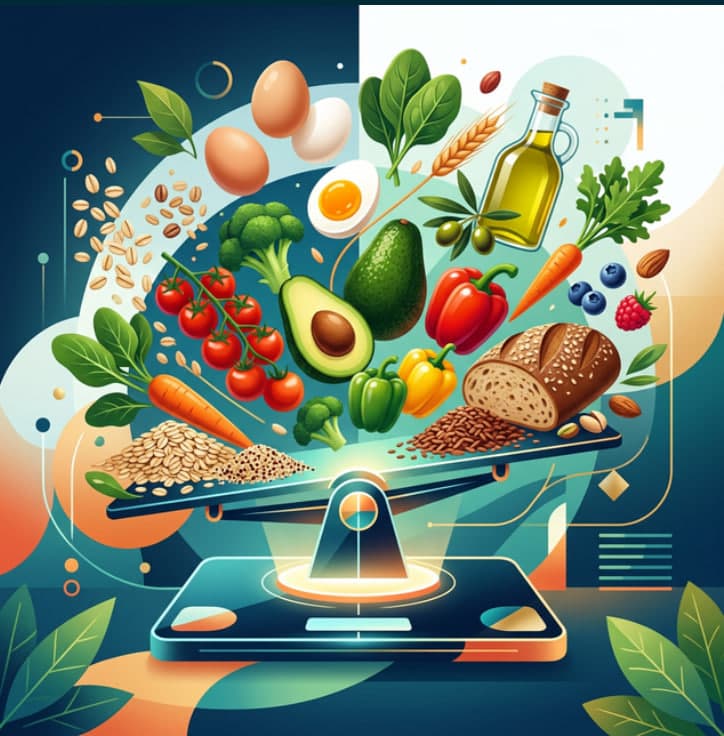
Myth #1: Carbs are the main reason people gain weight
Plenty of diets still insist that carbohydrates are the enemy.
What science actually says
No single macronutrient, whether fat, protein, or carbs, causes weight gain on its own. The real culprit is eating too much over time. What matters most is the kind of carbohydrates you eat.
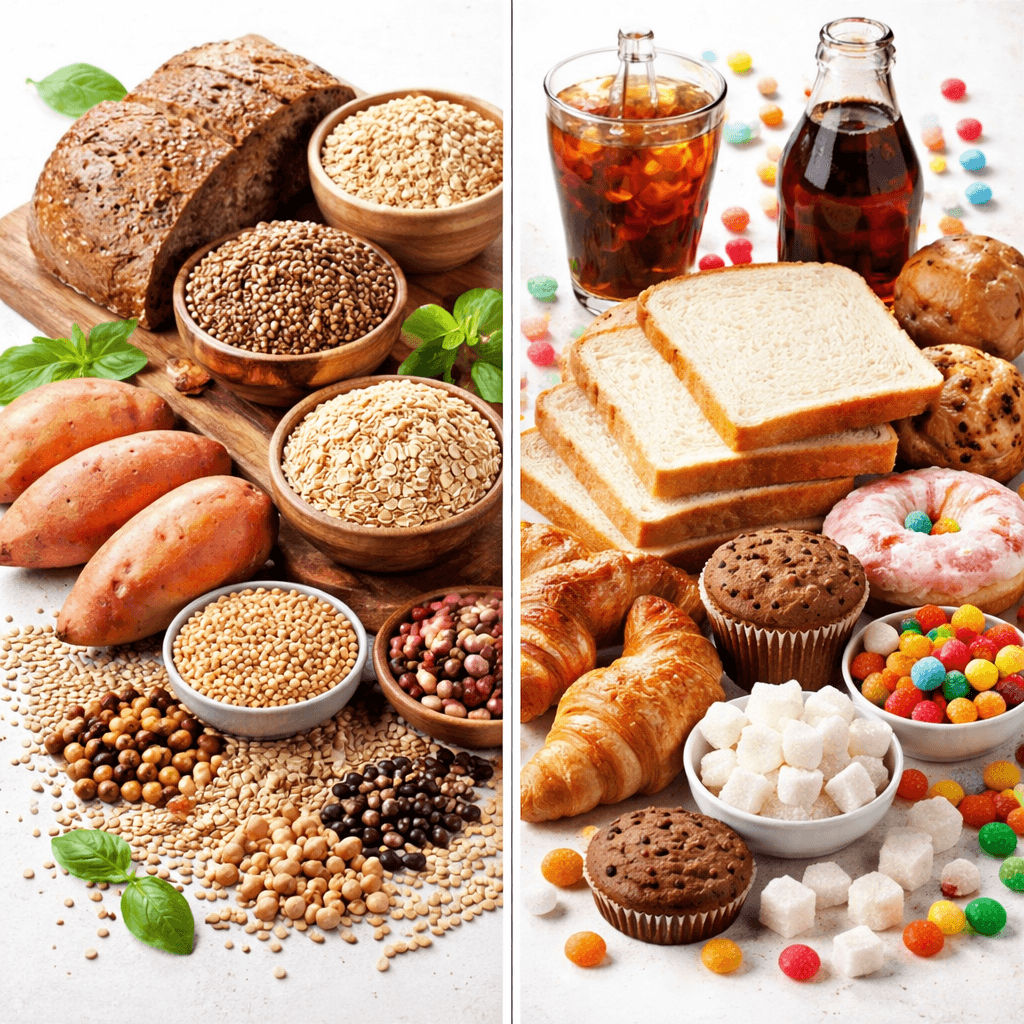
Better carbohydrate sources:
- Whole grains
- Vegetables
- Legumes
- Fruits
Less helpful choices:
- Candy and sugary snacks
- Sweetened drinks
- Refined pastries and white flour products
Key point: Carbs themselves are not the problem. The real issue is heavily processed food, excess sugar, and too many calories overall. Fiber-rich carbs keep you full longer and make it easier to manage appetite.
Myth #2: Eggs are unhealthy because they contain cholesterol
For decades, we feared eggs would harm our hearts.
What newer research shows
Here's what we know: For almost everyone, the cholesterol in food has very little effect on blood cholesterol. Saturated and trans fats have a much bigger impact.
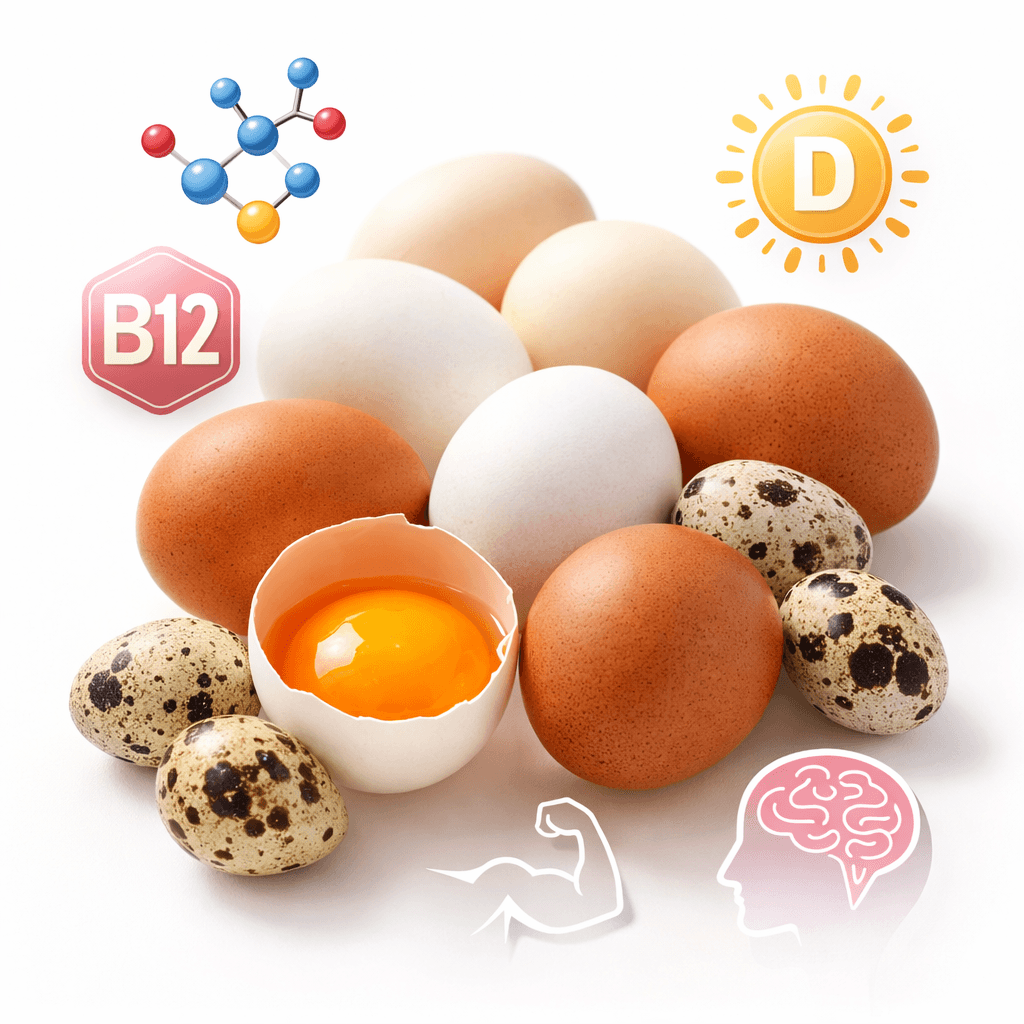
Eggs remain one of the most nutrient-dense foods you can eat:
- Complete protein with all essential amino acids
- Choline for brain health and memory
- Vitamins B12 and D
- Lutein and zeaxanthin for eye health
- Selenium for immune support
Practical takeaway: For a healthy adult, 1 to 2 eggs a day is perfectly safe. Some research shows 3 eggs a day is fine for most people.
Myth #3: Detox diets cleanse the body
Companies sell juices, smoothies, and detox programs as a fast way to remove toxins and "reset" the body.
What is really happening
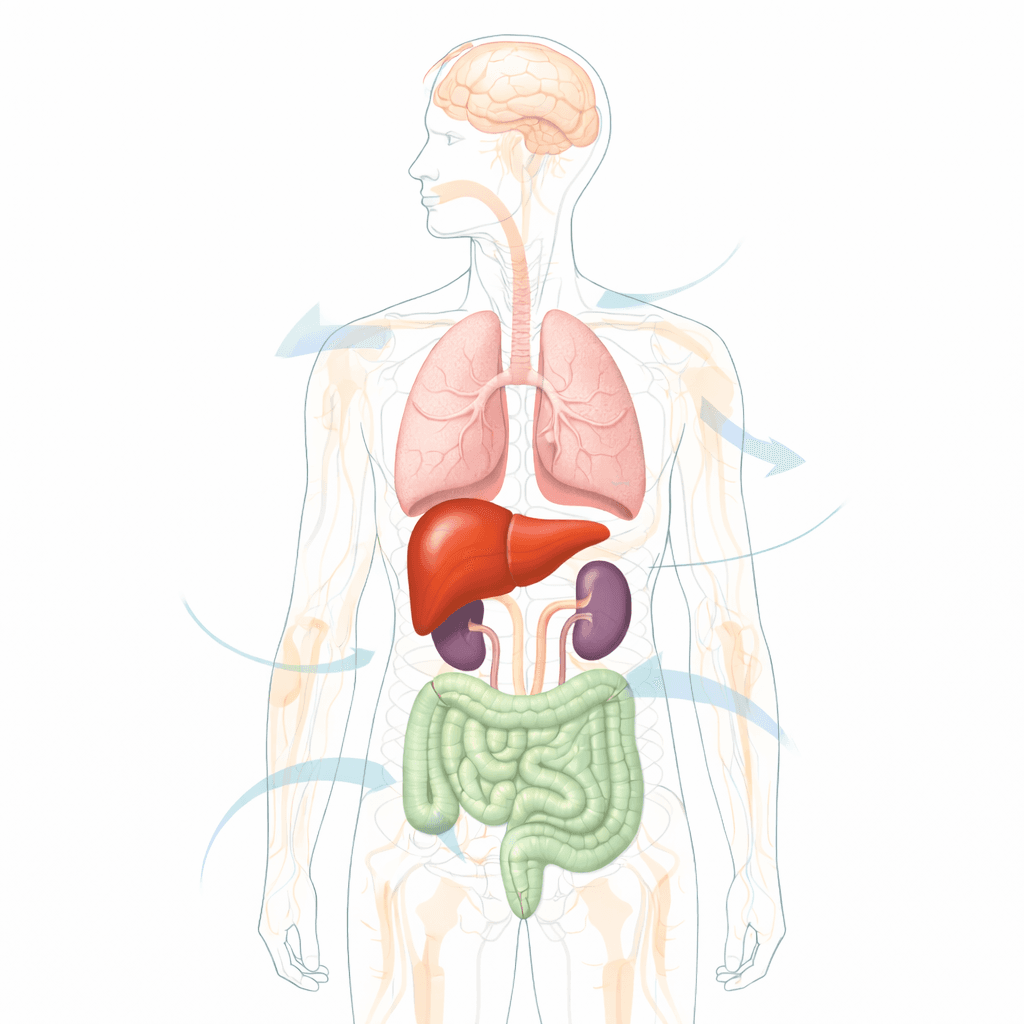
Your body detoxifies itself:
- The liver filters the blood and neutralizes harmful compounds.
- The kidneys remove waste through urine.
- The gut helps regulate absorption and elimination.
- The lungs and skin also play a role in getting rid of byproducts.
The science is clear: Studies haven't found solid proof that commercial detox programs do what they claim. Quick weight loss during a detox is usually water and muscle loss, not some dramatic removal of toxins.
What actually helps:
- A balanced, varied diet
- Enough water
- Quality sleep
- Regular physical activity
Myth #4: Eating fat makes you fat
For years we were told to avoid fat and choose low-fat products whenever possible.
But fat is not the same thing as weight gain
Fat has several essential jobs in the body:
- It helps produce hormones
- It is key for brain function (about 60% of the brain's dry weight is fat)
- It is needed to absorb vitamins A, D, E, and K
- It helps you stay full longer
- Omega-3 fats help regulate inflammation
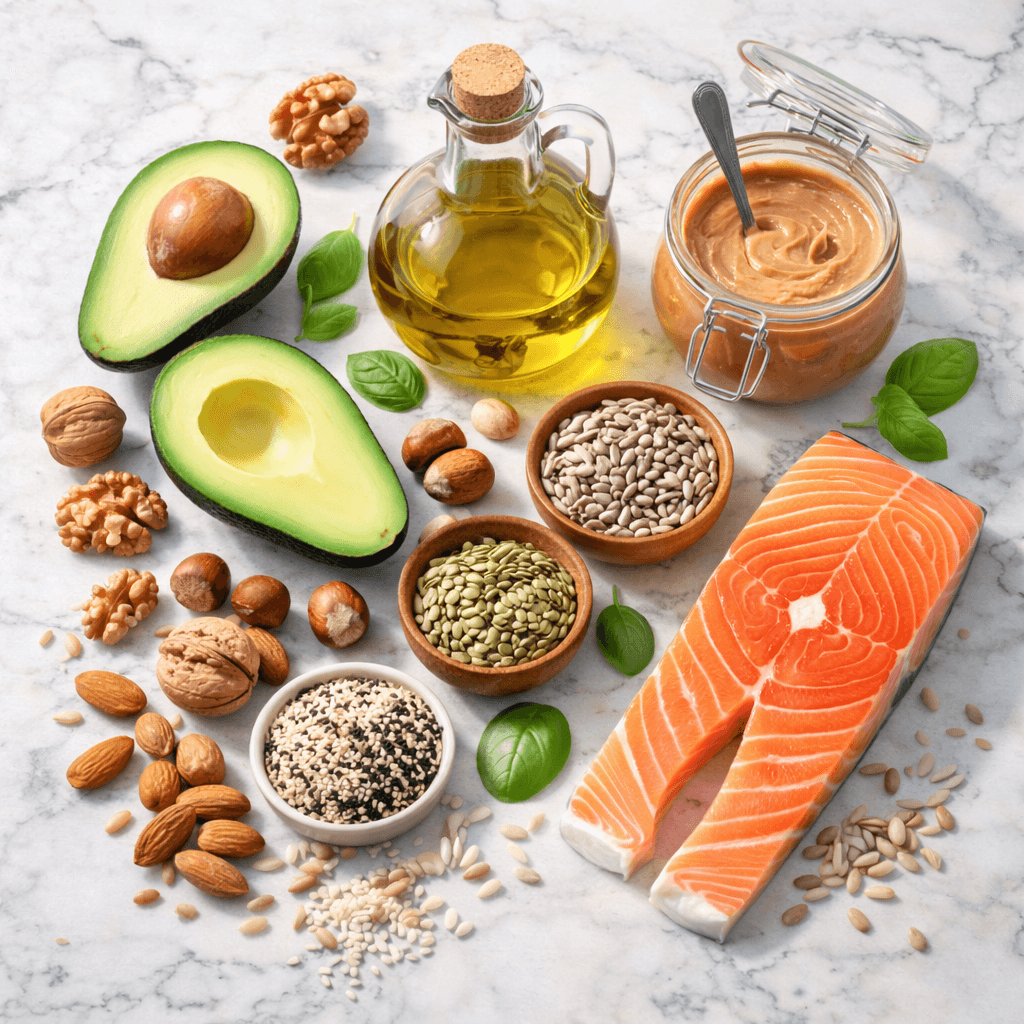
The main cause of weight gain is not fat by itself, but eating more than you burn.
A better approach to fats:
Choose olive oil, nuts, seeds, fatty fish, and avocado more often. Try to limit trans fats and keep saturated fats in reasonable amounts.
Myth #5: Organic food is much more nutritious
Many people believe organic products contain far more vitamins and are always worth the extra money.
The reality
Research shows: In most cases, the basic nutrient content is fairly similar. According to some studies, organic foods may contain 18-69% more antioxidants depending on the product, but the difference doesn't make regular produce "bad" by comparison.
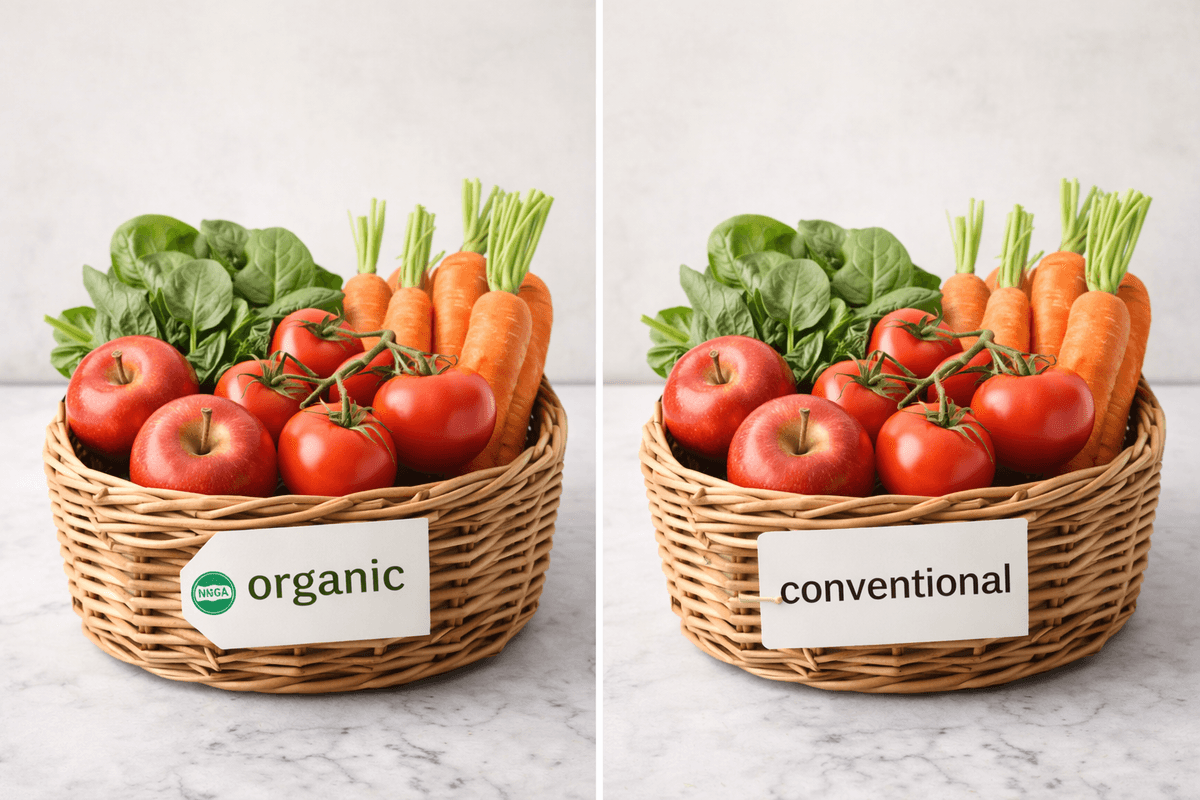
The biggest difference is in how the food is grown, not in a huge jump in nutrition.
Bottom line: Buy what fits your budget. The most important thing is eating enough vegetables and fruit in the first place, whether they are organic or not.
Myth #6: You should never eat after 6 p.m.
This is one of the most stubborn rules in weight-loss culture.
Timing matters less than total intake
Research tells us: The time you eat doesn't automatically cause weight gain. If you're not overeating overall, an evening meal is not a problem.
Why late-night eating can still backfire:
- Evening snacks are often high in sugar, fat, or both
- People often eat them mindlessly
- Heavy meals late at night can interfere with sleep

Helpful tip: If you're hungry in the evening, choose something light and protein-rich, like yogurt, cottage cheese, or a small portion of chicken. It beats going to bed hungry and then overeating later.
Myth #7: Natural sugar is healthier than regular sugar
You'll see honey, agave syrup, and coconut sugar marketed as healthier alternatives to white sugar.
But the body still sees them as simple sugars
Here's what we know: Honey and refined sugar are both made up largely of glucose and fructose. Their effect on blood sugar and insulin is more similar than many ads would have you believe.
Honey does contain small amounts of micronutrients, but not enough to make a meaningful difference in typical amounts.

The only practical advantage is that honey tastes sweeter, so you may use a little less.
Main rule: Moderation matters more than the label. A sensible target is to keep added sugars within about 25 to 30 grams per day.
Why are these myths so persistent?
- Marketing: The wellness industry is always selling a new miracle rule, food, or supplement.
- Oversimplification: Complex science gets reduced to catchy slogans.
- Outdated information: Old ideas can stick around for years, even after better research appears.
- Looking for easy answers: We want simple solutions to complicated health questions.
Conclusion
Most nutrition myths survive because they offer simple rules for issues that are not simple at all. Healthy eating is not about extreme bans or fear of certain foods. It is about balance, variety, and moderation.
The more you rely on evidence instead of trends, the easier it becomes to build habits that actually support your health.