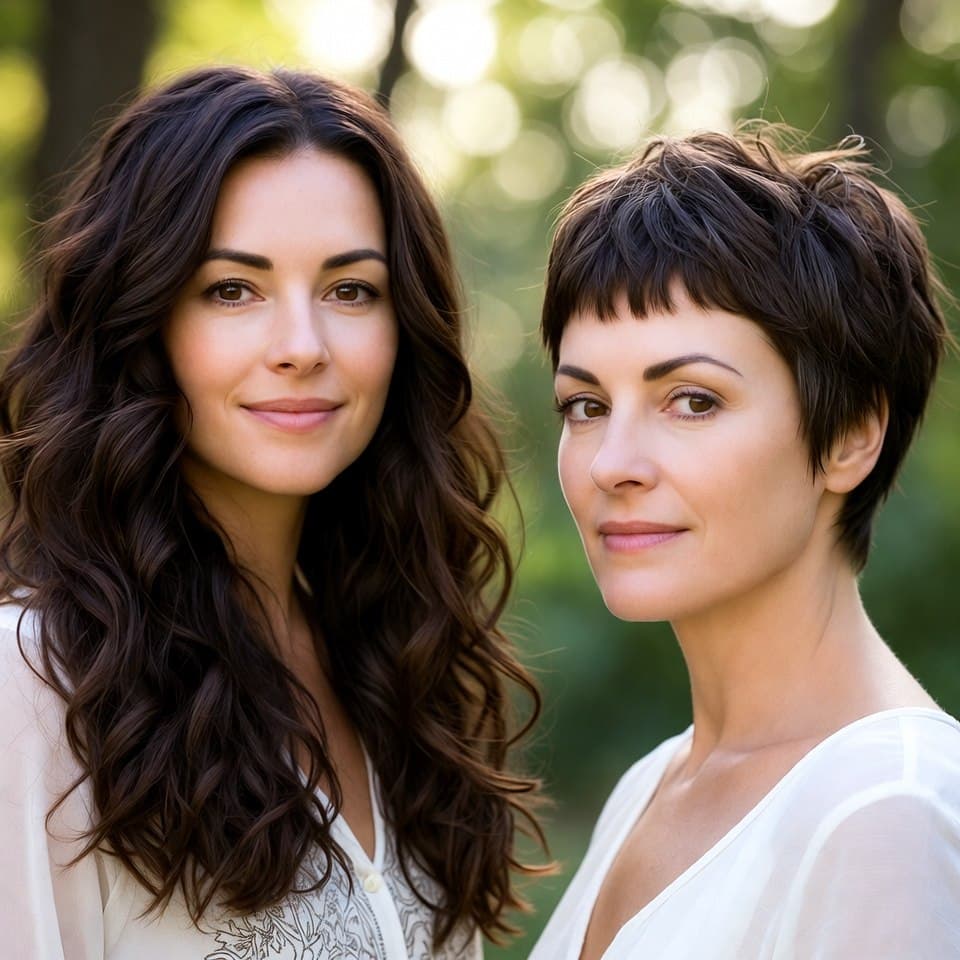
Hair has a huge effect on how your overall look comes across. The right shade, shape, and styling can make features look fresher and more relaxed, while the wrong choices can make everything look flatter, harsher, or more tired. The problem is that many women still make decisions based on old beauty advice instead of what actually suits them now.
Here are five stubborn hair myths that still shape the way people choose color, length, and haircuts, and what tends to work better in real life.
1. Blonde hair always makes you look younger
This is one of the most common beauty assumptions: go lighter, and your whole face will automatically look younger.
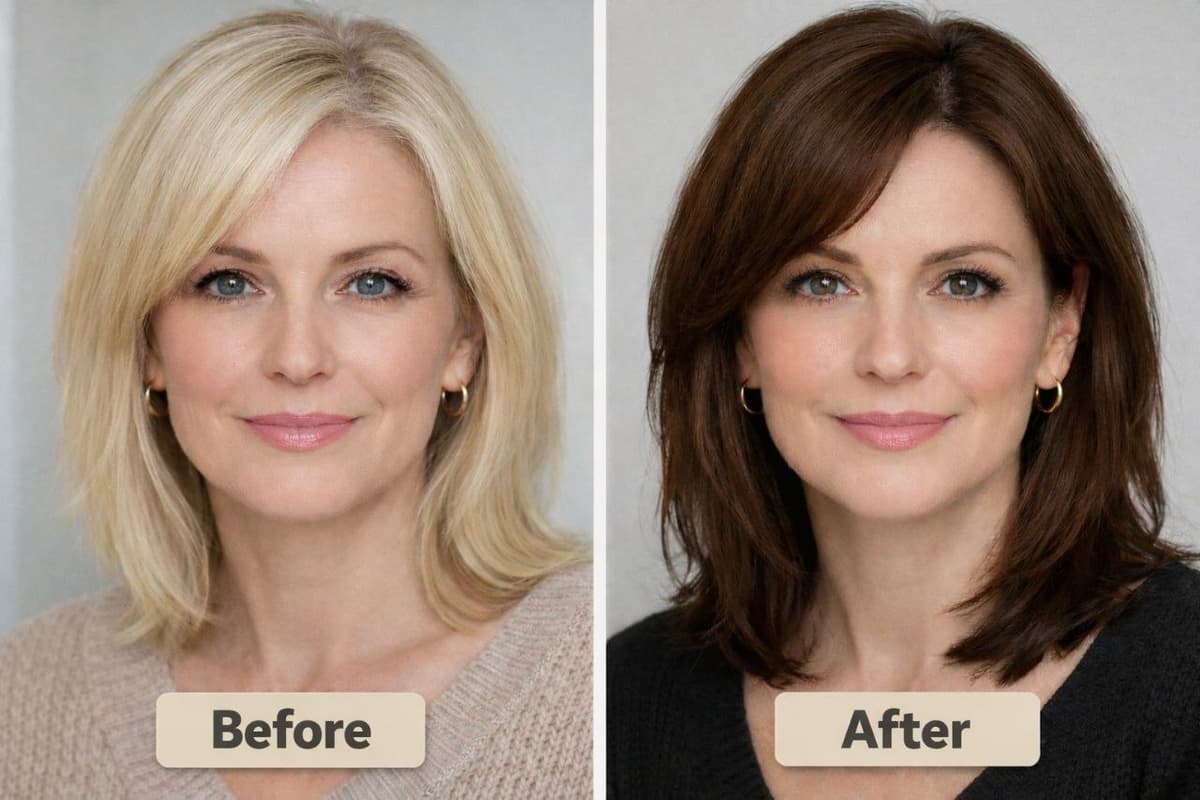
Reality: it depends on your skin tone, your natural contrast, and the specific blonde you choose. An icy, ashy, or platinum blonde can wash out the face, make skin look duller, and bring more attention to lines. In many cases, softer and warmer shades like honey, caramel, soft brown, or a warm coppery tone look fresher and more flattering.
What to do: choose color based on how it works with your complexion, not just on trends. A good colorist usually looks at skin undertone, facial contrast, and the overall balance of the face. Sometimes a few softer highlights or a warmer correction can do more than a full blonde transformation.
2. Women over 40 or 45 should always wear short hair
This idea has been around for years: once you reach a certain age, shorter hair is supposed to look neater and younger by default.
Reality: the issue is not the length itself, but the haircut shape, hair condition, and styling. Short hair can look modern and elegant, but it can also look severe or dated if there is no movement, texture, or volume. At the same time, shoulder-length hair and even longer cuts can look very fresh when they are shaped well and kept healthy.
What to do: think less about age rules and more about face shape, hair density, and how much time you realistically want to spend styling your hair. A long bob, soft layers, light waves, and volume at the roots often look more current than cutting everything short out of habit. If you do want a short cut, a textured pixie or a modern bob usually works better than a stiff, flat shape.
3. Trimming your ends more often makes hair grow faster and look thicker
Many people still believe that frequent trims somehow stimulate faster growth.
Reality: hair grows from the root, and trimming has no effect on growth speed. On average, hair grows about half an inch a month, give or take. What regular trims do help with is keeping ends cleaner, reducing splitting, and making hair look healthier overall.
What to do: trim the ends when they actually need it instead of doing it too often just for growth. For some people that means every 8 to 10 weeks; for others, less often. If your goal is fuller-looking hair, haircut shape, texture, and root volume make a much bigger difference than constant trimming.
4. Fine or thin hair only looks good in a short haircut
This myth usually comes from the fear that longer hair will hang flat and make thin hair look even thinner.
Reality: short hair can work beautifully, but it is far from the only good option. Fine hair often looks fuller at a medium length with soft layers and light movement through the ends. A textured bob or a longer cut with carefully placed layers can give a much more modern result than a short but flat shape.
What to do: talk to your stylist about structure, not just length. Light layering, texture, root lift, dry shampoo, or a volume spray can often create more visual fullness than simply cutting the hair short.
5. Bangs after 35 are aging
Another persistent myth says that bangs are only flattering when you are young and become heavy or unflattering later on.
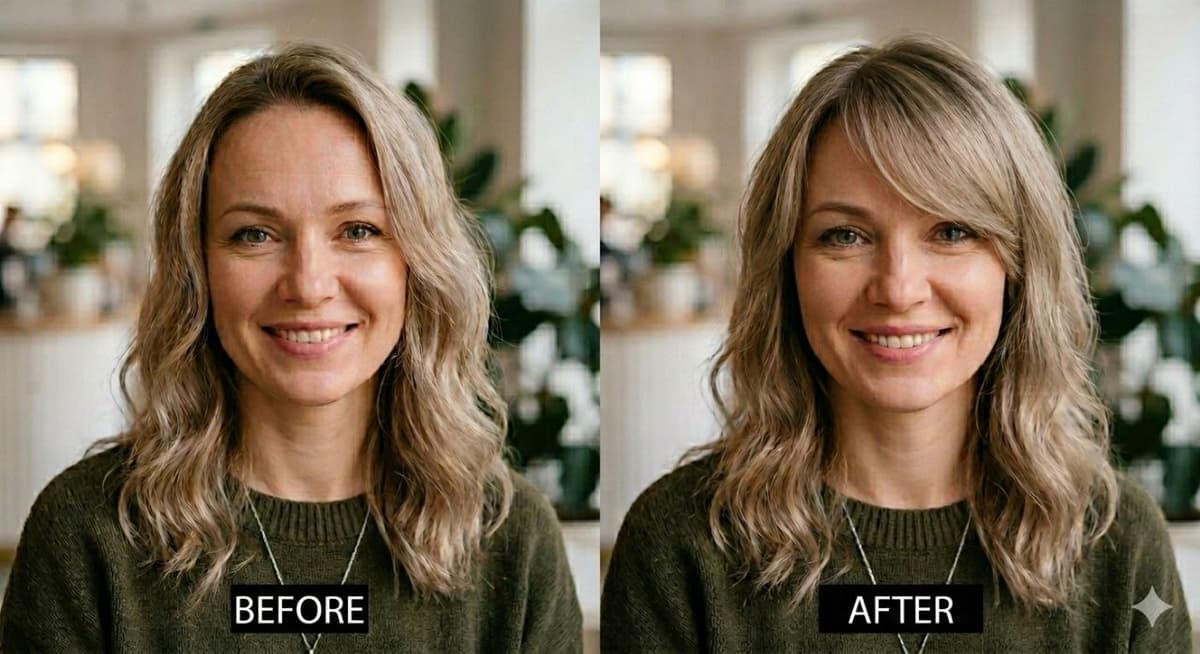
Reality: it is not the idea of bangs that ages the face, but the wrong shape. A thick, blunt fringe can look heavy and rigid. But a curtain fringe, a soft side fringe, or a lighter textured bang can soften features, open up the eye area, and update the haircut without a dramatic change.
What to do: choose bangs based on face shape, hair density, and the haircut as a whole. Round faces often suit softer side-swept options, longer faces usually work well with a softer curtain fringe, and square faces tend to benefit from more textured, less blunt shapes.
What tends to make hair look fresher
Most of the time, it is not one single detail that changes the whole impression. Hair usually looks younger and more modern when several things work together:
- a shade that suits the complexion instead of fighting it;
- a cut with movement instead of stiffness;
- volume at the roots and texture through the lengths;
- healthy-looking ends;
- styling that keeps the hair from looking flat or heavy.
If you want to get more out of a good haircut, do not ignore the basics of maintenance. You can find more on that in Proper Hair Care: Secrets of Shine.
The takeaway: trust what suits you, not the myth
Hair does not follow universal age rules. What matters more is which shade works with your skin tone, which length flatters your face shape, how your hair behaves in styling, and how much upkeep actually fits your routine.
A modern haircut, thoughtful color, and the right hair care often refresh the overall look far more than trying to follow outdated rules about what women are supposed to wear at a certain age.